Neonatal Care in India: Raising a generation by raising awareness

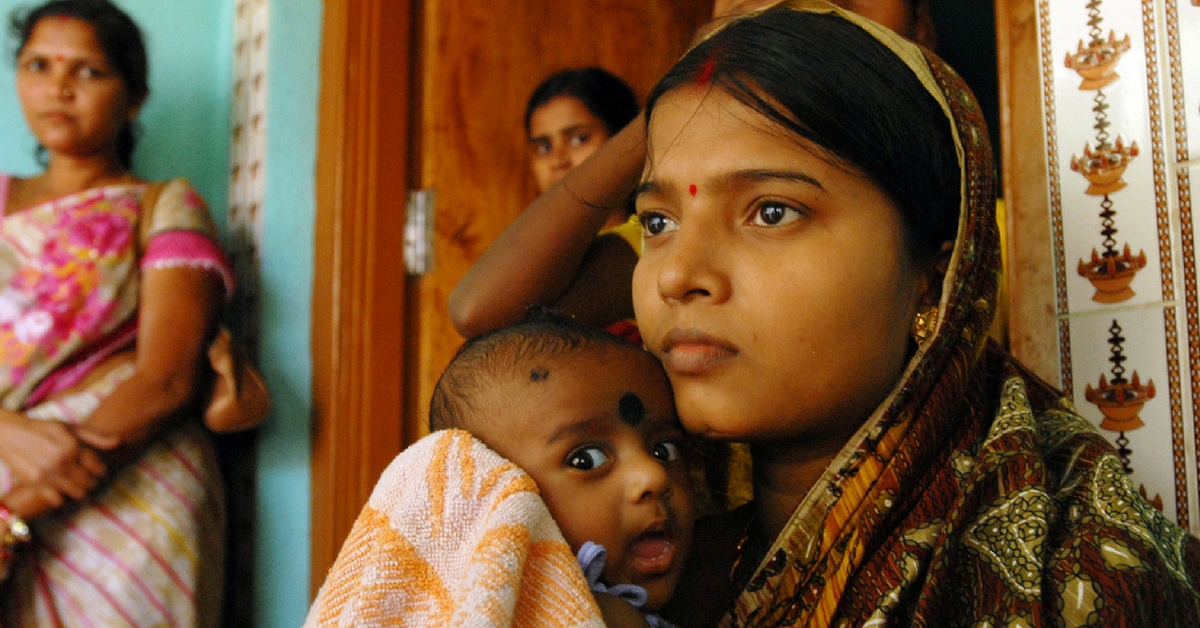
Every seven minutes, a woman in India dies due to pregnancy-related complications. Over a million babies born in the country die within their first month of life. India has the unfortunate distinction of claiming more than a quarter of the total newborn deaths in the world. The majority of these deaths occur in rural areas where poverty and lack of knowledge about proper maternal and child health care are the real cause of these fatalities.

The Indian government has come up with schemes such as the National Rural Health Mission (NRHM) and the soon-to-be-launched National Urban Health Mission (NUHM) to address this dire situation. Both schemes give high priority to the issue of maternal and newborn health for marginalized communities, and seek to improve the availability of and access to quality health care for those at the lowest rung of the socio-economic ladder. Additionally, government programs such as the Janani Suraksha Yojana incentivize delivery in hospitals by encouraging mothers to opt for institutional deliveries.
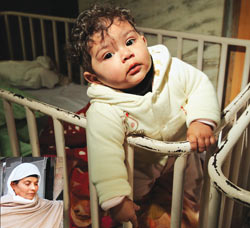
While the government’s efforts are commendable, the complication arises in that people must first be aware of the problem before they can take advantage of the government services addressing it. And unfortunately, in many Indian households, where the basics of survival take center stage, the health of mothers and their newborns is not given much importance.

Effective development communication programs can play a pivotal role in bridging these knowledge gaps by identifying barriers to behavior change, analyzing these barriers, and developing original techniques to overcome them.

AKHA

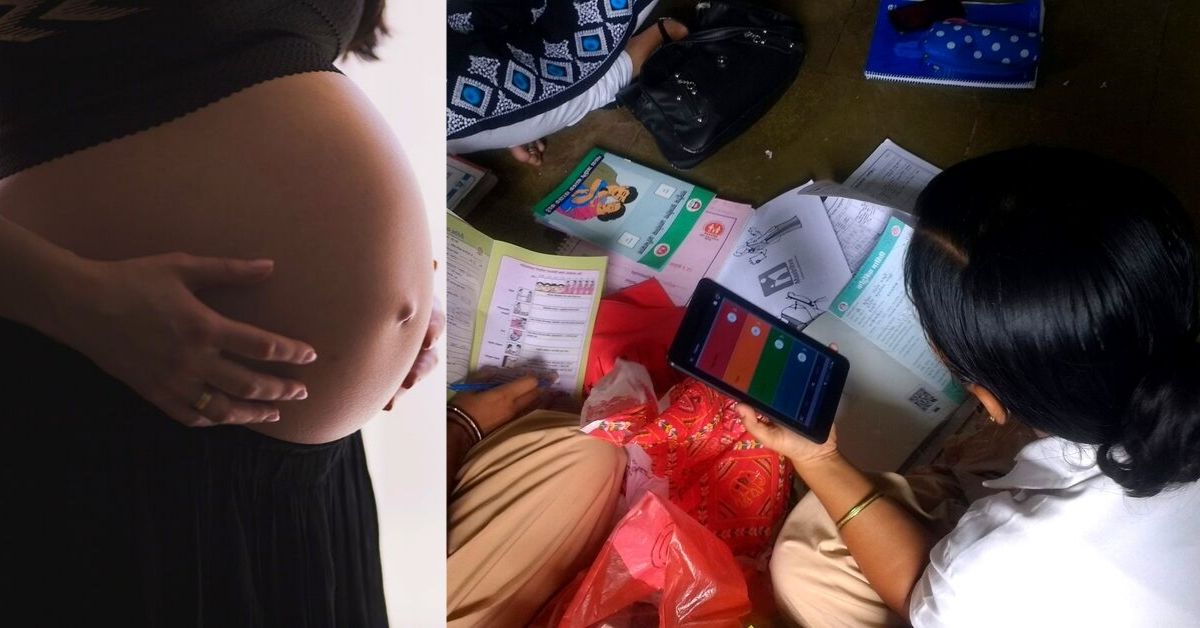
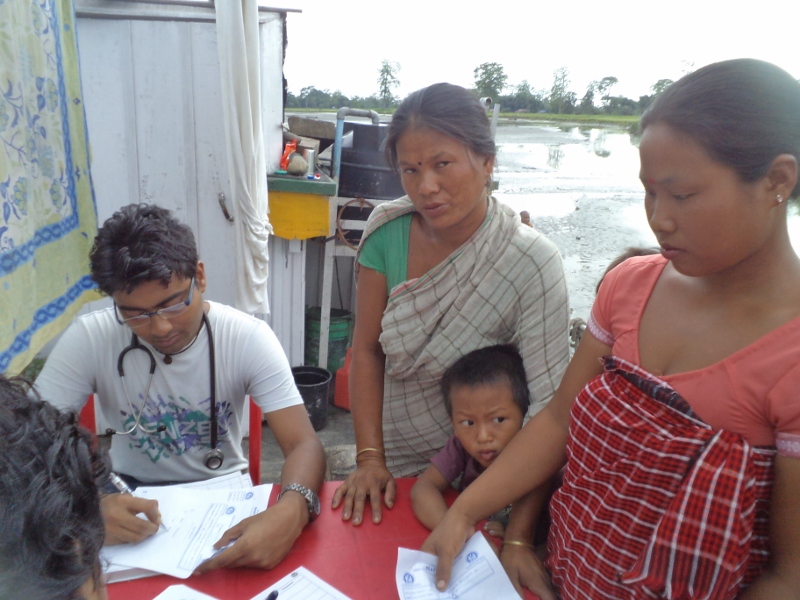
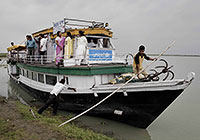
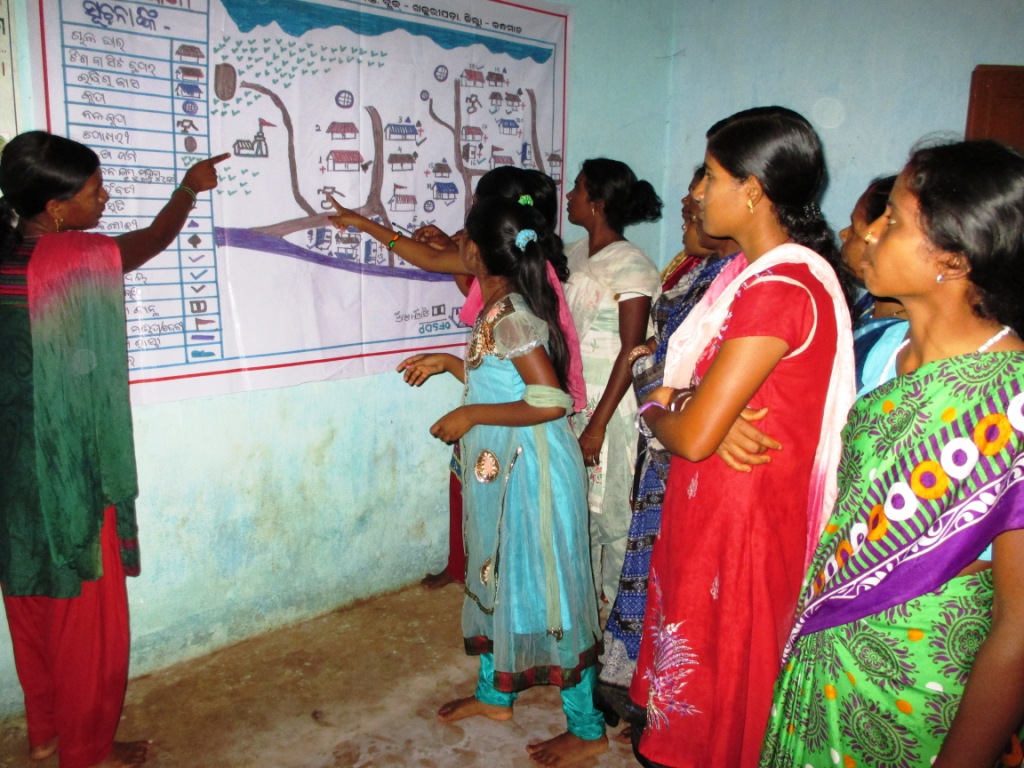
For instance, in Assam, a collaboration between the Indian government, UNICEF, and local bodies is using a boat called Akha to reach underprivileged indigenous tribes that inhabit geographically isolated sandbars and islands called chaporis. The chapori residents, who live near the lifeline of Assam—the Brahmaputra river, are often cut off from accessing health care facilities due to floods and other natural hazards. What’s more, awareness about maternal and child health care is all but drowned out by the other concerns for survival that face this group.

The Akha Boat

The Akha Boat

The Akha, which comes equipped with medical staff and communications materials, makes visits to these isolated regions with the mission to regularly provide facilities for maternal and child health as well as promote awareness about health-seeking behaviors. Findings suggest that the service delivery undertaken by the boat, which has been continually expanding over the last few years, has dramatically improved thousands of lives. 71 percent of the chapori mothers sought some form of antenatal care during their last pregnancy; of these, 42 percent sought care from the Akha.

This is one example of how an intervention tailored to the specific needs of a community can raise awareness and create tangible change.

SURE START

Sure Start Path

Another example is the work done by a project called Sure Start—an initiative based at PATH, an international not-for-profit organization supported by the Bill & Melinda Gates Foundation. The project is working with rural communities in Uttar Pradesh and settlements of marginalized people in Maharashtra to help mothers and their children to survive and stay healthy.

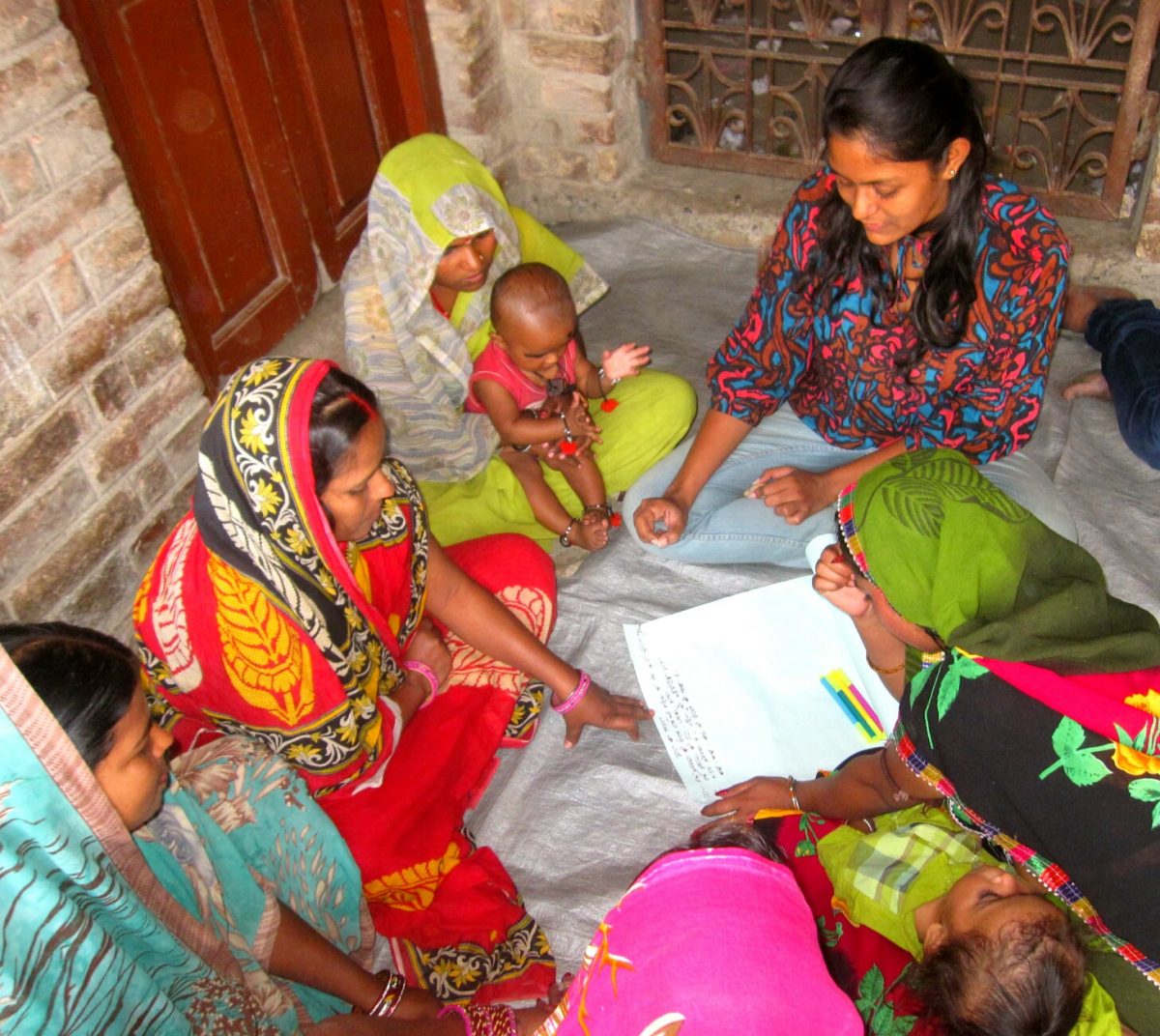
The project’s communications program is innovative in its efforts to raise awareness and interest about maternal and child health care issues. In villages, for example, the “letter from an unborn child” campaign reached out to 40,000 fathers-to-be, educating them about the importance of taking care of their wives during pregnancy. In both Uttar Pradesh and Maharashtra, the program uses interactive and entertaining tools including dance, music, theater, and games to create awareness.

Mr. Nirbhay Singh, the elected head of one of the villages in Uttar Pradesh where Sure Start operates, estimates that since the program began in his village in 2008, 70 to 75 percent of adults in the community have become aware of safe delivery practices and the vital importance of ensuring access to maternal and child health services. One result is that payments under the government’s Janani Suraksha Yojana (a scheme that incentivizes institutional delivery) have increased alongside the growing awareness about the health benefits of giving birth in hospitals.

In this way, projects such as these use customized communication techniques to raise awareness of maternal and newborn health issues, thus helping local communities benefit fully from existing government schemes. It has often been said that knowledge is power, and the projects mentioned above give that power back to the communities they work in.

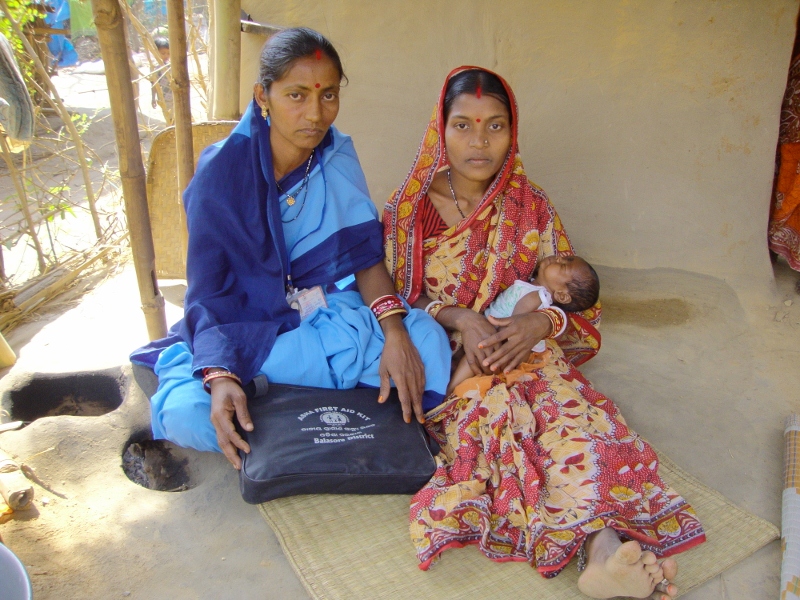
Sure Start works to educate women in India on maternal and neonatal health. Sure Start, an initiative by PATH, supported by the Bill & Melinda Gates Foundation works to promote safe childbirth practices in India.

Connect with PATH at:
Facebook: http://www.facebook.com/pages/Sure-Start-Project-by-Path/178629192101
Twitter: http://twitter.com/pathsurestart

Article courtesy: Vikas S from PATH Sure Start. Thanks Vikas!

The Better India News Update: In case you are in Ahmedabad, you can catch the talk by Anuradha and Dhimant Parekh, founders of TBI, at IIM-A’s Entrepreneurship Summit on Jan 12th and 13th, 2010. You can interact with us about this site, about your ideas, about our plans or anything else under the sun.

Doctor couple does wonders for tribals at Sittilingi

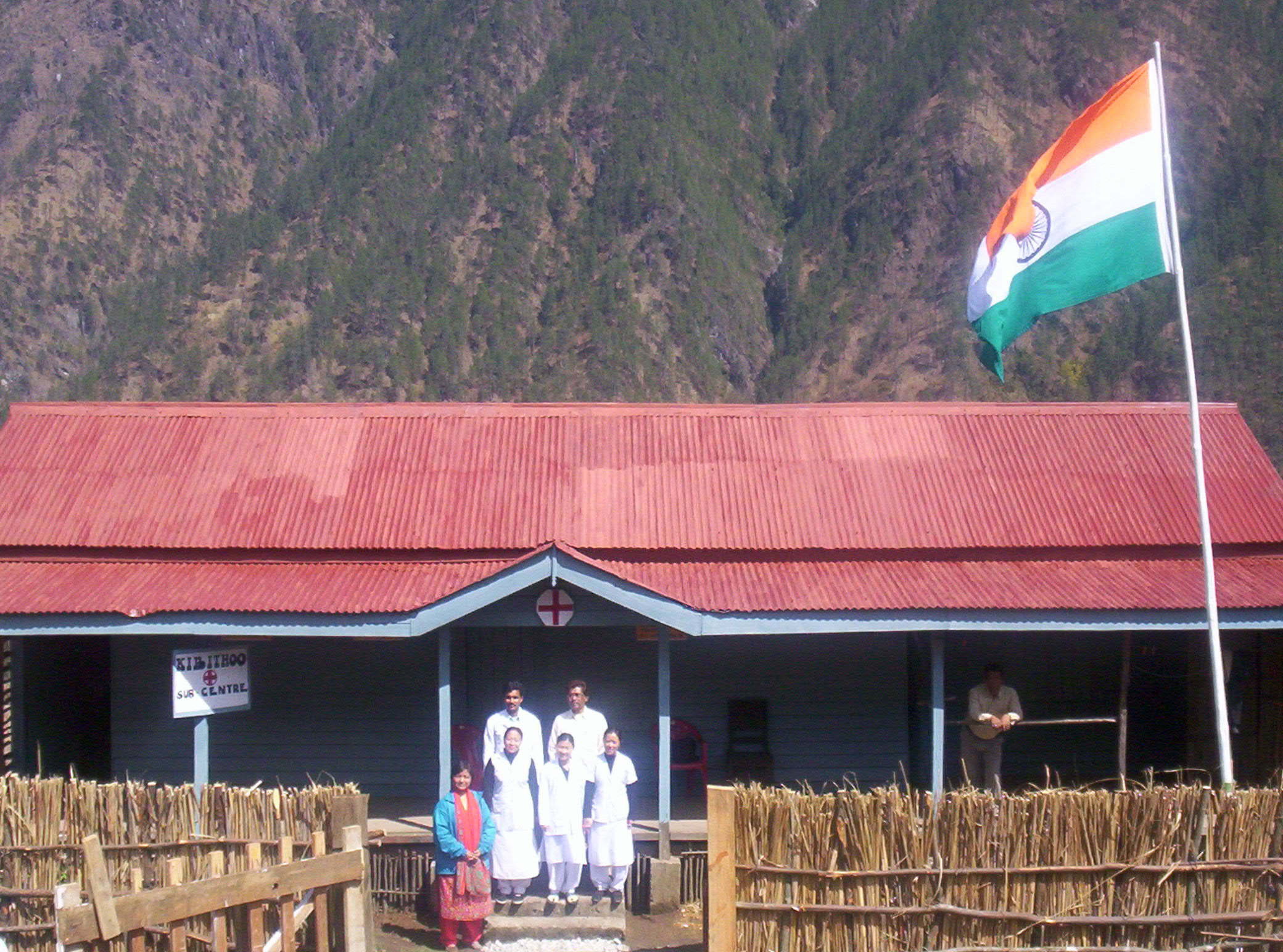
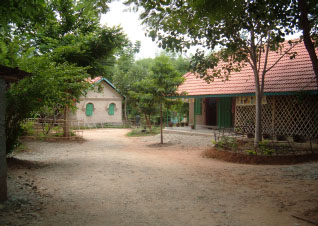
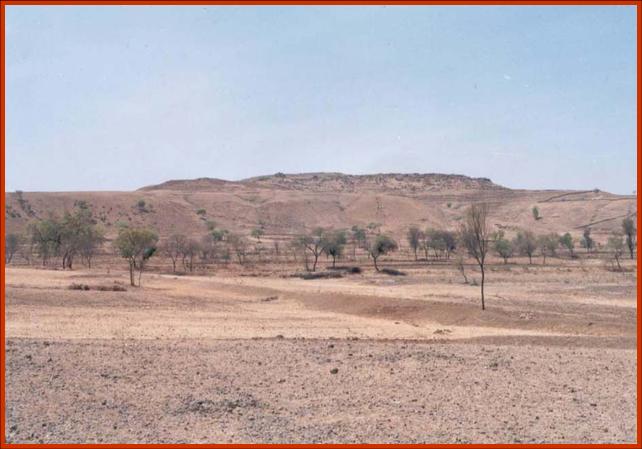
hospital2Sittilingi is a remote village in Dharmapuri district, 125 km away from Salem town in Tamil Nadu, which used to be a god forsaken land caught under the spell of quacks and black magic. Noisy drums and fake injections were all they had to cure illnesses. This is when Dr. Regi and Dr. Lalitha took the plunge. This doctor couple went ahead to provide medical services to the tribals of Sittilingi, leaving their promising careers in the cities.

The couple found their calling in service to the underprivileged and wanted to use their knowledge where it was needed the most. Their hunt for the right place to offer their service ended at Sittilingi, a totally neglected and ignored tribal village. They ventured into the village, faced tough resistances and now they have emerged successful in establishing a full-fledged medical center for the tribals. A service beyond praises! 

Regi and Lalitha called their service the Tribal Health Initiative (THI). Their perseverance and continued service has brought about dramatic change in the living conditions of the natives. Infant mortality rate in Sittilingi has reduced to 20/1000 and there are no mothers dying in childbirth for the past 5 years. The nutrition levels of children and the general well being of the people have improved to a great extent.

Another striking fact about the Sittilingi initiative is that the girls who serve as nurses at the medical center are personally trained by Regi and Lalitha. When Regi and Lalitha saw that it was extremely difficult to get nurses to work at this tribal village, they decided to go choose smart and trainable girls from the village. This became such a wonderful uplift to the self esteem of the girls that they are extremely proud to be part of this initiative and to serve their community.

THI’s approach to medical care went one step ahead in educating the people and ‘helping the tribals help themselves’. They wanted to create a general understanding about health and health issues and make the natives acquainted with basic first aid. Today, over 21 neighbouring villages are benefiting from the Tribal Health Initiative that sprung at Sittilingi.  

And, the couple didn’t stop with medical facilities. They organize educational programmes, cultural activities and community development initiatives. There is a library facility that is available for children who also get to listen to motivating stories from a community worker every month.  Truly commendable, right?

It is very heartening to know about the selfless and committed service of Regi and Lalitha and many others who are supporting them. You can visit them at Sittilingi and get to know their service better. We also encourage you to support the initiative by contributing to the cause. Visit http://www.tribalhealth.org/

Making Bapu Proud

Alcohol can be the cause of many evils. This was known by Mahatma Gandhi, as he encouraged abstinence among his followers. But it’s not an easy ideal to follow or preach.

Yet, this was achieved by the gutsy women of Bhilkeshwar in Chandrapur district, a few hours away from Gandhiji’s ashram in Gujarat. The women of this little village decided to take a firm stand against liquor after having suffered for its consequences since ages. Writes Madhavi Rajadhyaksha in this article in The Times of India:

The women first took up the cudgels against the liquor menace around six years ago. “When we’d stand in the village courtyard and chat in the evenings, we realised that our neighbours would come home drunk, eve-tease our children and even ill-treat their wives,” says Devangani Gajbhiye, explaining how the seeds of the movement were first sown. Cringing as she recalls those days, she says they were forced to act when they realised that menfolk in many households were blowing up money meant for the family’s grain and kerosene supplies on alcohol.

For the 10 women who initially formed a self-help group with the help of a local NGO called Association of Women Awareness and Rural Development (AWARD), the path to achieving their goals was not only difficult but also dangerous. Their targets were mainly the three local liquor shops on the main street, and they faced brutal retaliation. One of the protestors also lost her husband when he was stabbed to death by a local alcohol vendor. However, this did not break the resolve of these brave women. They laboured on with their cause, and it finally began to bear fruit.

Slowly the shops folded up, the policemen became more vigilant and the menfolk were forced to give up their habit. Today, 40 more women have joined the campaign, and there’s one proud achievement they all like to relate. “Nobody dares sell or drink alcohol in the village. Some villagers still go to neighbouring villages to get their quota, but can’t bring it back into our village,” they chorus. Buoyed by their success, neighbouring areas have taken a cue from the courageous women, and nearly 36 villages in the block have gone liquor-free.

As the sweet taste of victory sank in, the women formed a brigade of their own, taking on new challenges and crossing new milestones. With the backing of more voluntary organisations such as UNICEF, more self-help groups mushroomed and women began tucking away household savings, formed monitoring committees to keep a watch on the anganwadi workers and schoolteachers and even began addressing the village panchayats on safe drinking water and maternal care. Today, 80 per cent of deliveries take place in the hospital and every household has a toilet of its own. The self-help groups dole out money at lower interest rates than the local moneylender.

It is amazing how much a small group of women with no education or special skills, but a steely resolve and oodles of courage can achieve. Sticking to your cause against all odds can bring about a sea of change and positive impact on so many lives. This is a true inspiration for all of us.

Read the complete article here.

Home Page Image Courtesy: Google Images

A new application of SMS – Providing prenatal care and advice to women in villages

Gurgaon-based mobile gaming company ZMQ Software Systems has come up with a new offering that will enable women in villages to register their date of pregnancy, and avail of weekly tips on topics like what to eat, what vaccines to get and when to get the next check up. Founders Hilmi and Subhi Quraishi, inspired by many of their formative years spent in socialistic environment of Soviet Union, have been redirecting 12% of ZMQ’s profits into social development programmes, and this is a project they are certain will succeed as it is mobile-based and independent of economic criteria.


Aruna Viswanatha reports in Mint:


ZMQ’s new programme also complements other initiatives around the country to pay women to have their children delivered by professionals, rather than by the untrained midwives more popular in rural areas. “There could be a programmed SMS before the day of the next check-up,” says Chauhan, “and reminders for the first tetanus, the first ultrasound, this would be a real great benefit if it is done.”


Also find what other companies like Enable-M and the venture capital firm Acumen Fund are doing in this space. Biju Mohandas, India business manager for Acumen Fund says he is considering many business plans that intend to use SMS technology in rural health care. Read the complete article here.

Calendar

September 2010
M T W T F S S
« Aug    
 12345
6789101112
13141516171819
20212223242526
27282930  

Recent Comments

PROMOTION

"Neumonia and Other Sketch Stories" - A collection of sketch stories. Download the e-book for free. Click on the book cover below.
"The observations are acute: the sound of high heels on asphalt, the bit about how all BPO employees lose their hair very fast are spot-on. This book is a better, shorter alternative to any Sunday movie on TV. It's a little jewel" - Hindustan Times