Jhansi Jan Suvidha Kendra: Improving governance

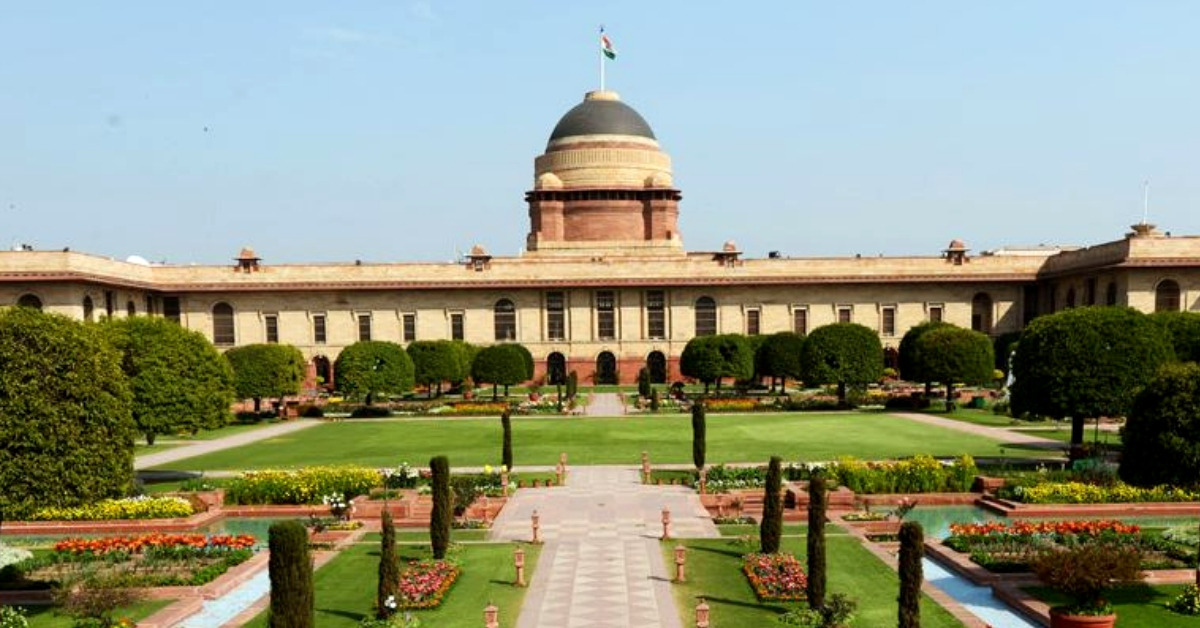
Jhansi Jan Suvidha Kendra (JJSK) comes as a pleasant surprise to those who have been thinking that public grievance redressal systems are highly incompetent or non-existing in India.

JJSK is a quick and reliable telephone based e-governance initiative which has resulted in an easily accessible platform for addressing public grievances anytime of the day, throughout the year!

As soon as the complainant calls on the toll free number 1077, the grievances are recorded automatically on an audio file and stored in a software program. The complainant gets a Unique Grievance Number (UGN) and the concerned officers are intimated on their mobile phones via SMS instantly.

Grievances are categorised as one of A/B/C according to the severity and the time within which they should be resolved. Various reports are generated by the software for weekly monitoring and the quality of redressal/disposal is finally confirmed by the District Magistrate. Reports are continuously uploaded on the website and the concerned person can check the status of the complaint anytime by just calling JJSK.

JJSK‘s attitude towards complaints lies in their line “Grievances are jewels to be treasured.”

Here’s hoping other districts of the country take a leaf out of JJSK’s approach, and help realize a dream of good governance through better use of technology.

JJSK’s website (mostly in Hindi): http://www.jhansi.nic.in/jjsk.htm

Neonatal Care in India: Raising a generation by raising awareness

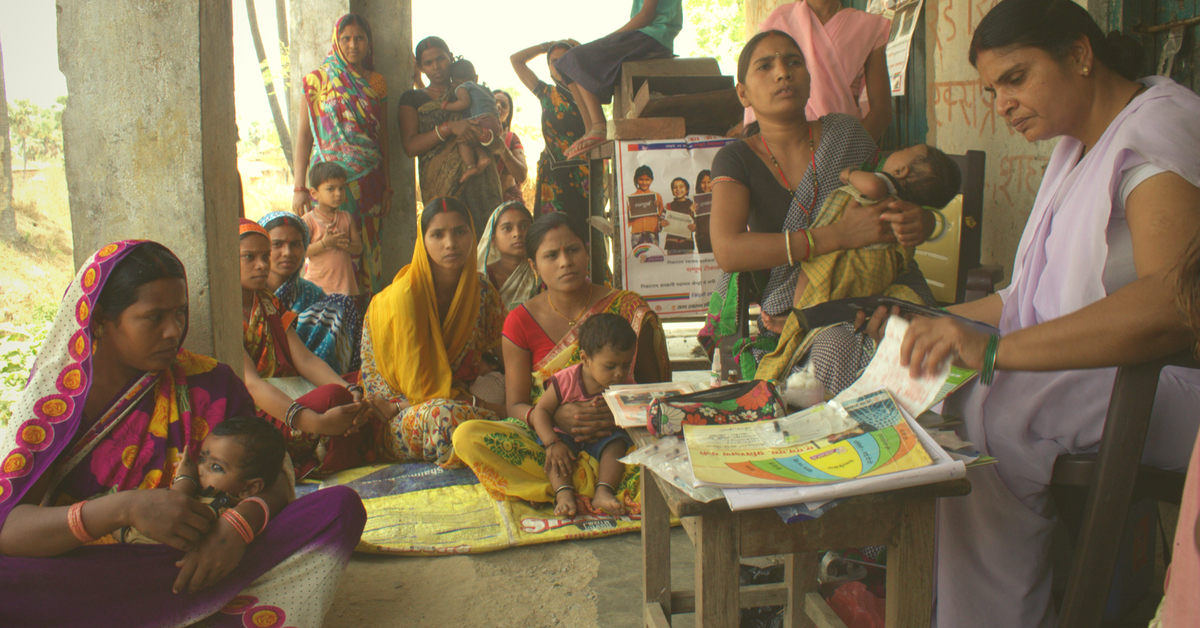
Every seven minutes, a woman in India dies due to pregnancy-related complications. Over a million babies born in the country die within their first month of life. India has the unfortunate distinction of claiming more than a quarter of the total newborn deaths in the world. The majority of these deaths occur in rural areas where poverty and lack of knowledge about proper maternal and child health care are the real cause of these fatalities.

The Indian government has come up with schemes such as the National Rural Health Mission (NRHM) and the soon-to-be-launched National Urban Health Mission (NUHM) to address this dire situation. Both schemes give high priority to the issue of maternal and newborn health for marginalized communities, and seek to improve the availability of and access to quality health care for those at the lowest rung of the socio-economic ladder. Additionally, government programs such as the Janani Suraksha Yojana incentivize delivery in hospitals by encouraging mothers to opt for institutional deliveries.

While the government’s efforts are commendable, the complication arises in that people must first be aware of the problem before they can take advantage of the government services addressing it. And unfortunately, in many Indian households, where the basics of survival take center stage, the health of mothers and their newborns is not given much importance.

Effective development communication programs can play a pivotal role in bridging these knowledge gaps by identifying barriers to behavior change, analyzing these barriers, and developing original techniques to overcome them.

AKHA

For instance, in Assam, a collaboration between the Indian government, UNICEF, and local bodies is using a boat called Akha to reach underprivileged indigenous tribes that inhabit geographically isolated sandbars and islands called chaporis. The chapori residents, who live near the lifeline of Assam—the Brahmaputra river, are often cut off from accessing health care facilities due to floods and other natural hazards. What’s more, awareness about maternal and child health care is all but drowned out by the other concerns for survival that face this group.

The Akha Boat

The Akha Boat

The Akha, which comes equipped with medical staff and communications materials, makes visits to these isolated regions with the mission to regularly provide facilities for maternal and child health as well as promote awareness about health-seeking behaviors. Findings suggest that the service delivery undertaken by the boat, which has been continually expanding over the last few years, has dramatically improved thousands of lives. 71 percent of the chapori mothers sought some form of antenatal care during their last pregnancy; of these, 42 percent sought care from the Akha.

This is one example of how an intervention tailored to the specific needs of a community can raise awareness and create tangible change.

SURE START

Sure Start Path

Another example is the work done by a project called Sure Start—an initiative based at PATH, an international not-for-profit organization supported by the Bill & Melinda Gates Foundation. The project is working with rural communities in Uttar Pradesh and settlements of marginalized people in Maharashtra to help mothers and their children to survive and stay healthy.

The project’s communications program is innovative in its efforts to raise awareness and interest about maternal and child health care issues. In villages, for example, the “letter from an unborn child” campaign reached out to 40,000 fathers-to-be, educating them about the importance of taking care of their wives during pregnancy. In both Uttar Pradesh and Maharashtra, the program uses interactive and entertaining tools including dance, music, theater, and games to create awareness.

Mr. Nirbhay Singh, the elected head of one of the villages in Uttar Pradesh where Sure Start operates, estimates that since the program began in his village in 2008, 70 to 75 percent of adults in the community have become aware of safe delivery practices and the vital importance of ensuring access to maternal and child health services. One result is that payments under the government’s Janani Suraksha Yojana (a scheme that incentivizes institutional delivery) have increased alongside the growing awareness about the health benefits of giving birth in hospitals.

In this way, projects such as these use customized communication techniques to raise awareness of maternal and newborn health issues, thus helping local communities benefit fully from existing government schemes. It has often been said that knowledge is power, and the projects mentioned above give that power back to the communities they work in.

Sure Start works to educate women in India on maternal and neonatal health. Sure Start, an initiative by PATH, supported by the Bill & Melinda Gates Foundation works to promote safe childbirth practices in India.

Connect with PATH at:
Facebook: http://www.facebook.com/pages/Sure-Start-Project-by-Path/178629192101
Twitter: http://twitter.com/pathsurestart

Article courtesy: Vikas S from PATH Sure Start. Thanks Vikas!

The Better India News Update: In case you are in Ahmedabad, you can catch the talk by Anuradha and Dhimant Parekh, founders of TBI, at IIM-A’s Entrepreneurship Summit on Jan 12th and 13th, 2010. You can interact with us about this site, about your ideas, about our plans or anything else under the sun.

Pratham Books – Spreading the Joy of Reading among 6 Million Children in Bihar

Pratham-booksChildren in over 70,000 government schools in Bihar are now enjoying reading hundreds of colourful, well-written, and well-produced storybooks – thanks to Pratham Books and its novel mission to see “A book in every child’s hand”.

In our country, children are expected to learn to read and comprehend simple text by the end of their first year in school. Textbooks in early school grades require children to read fluently by the end of class two. However, available evidence indicates that a large proportion of school children are still struggling to recognise letters and decode words after 2 or 3 years of formal schooling. This makes helping children learn to read one of the biggest challenges in India today.

Pratham Books, a children’s book publisher with a difference, is addressing this challenge in style. The organization is a not-for-profit trust that was set up in 2004 with the objective of publishing high quality, low cost books in Indian languages and giving Indian children the opportunity to read interesting books that they can identify with, in their own language.

Last year, the government of Bihar introduced Bodhi Vriksha Karyakram, a programme to improve reading levels in early grades of school. However, for reading skills to actually improve, children need many, many books that stimulate their imagination, expand their minds, and evoke enough interest to keep them reading. In an extremely foresighted move, the Bihar government utilised 2% of the funds provided by Sarva Shiksha Abhiyan to buy storybooks and other such resources for students of standards 1 and 2.

The Government invited publishers including Pratham Books to participate in ‘Pustak Melas’ held in 37 districts of Bihar from November 2008 to January 2009. The schools were encouraged to attend these Melas and buy books for their students. In what could be the biggest investment in India’s history towards making books other than textbooks available to young children, this programme spent Rs. 30 crores, and reached no less than 6 million children! In just 7 weeks, truckloads of books, approximately 400 tons, were distributed across thousands of government primary schools in Bihar.

The Bihar government’s initiative is a simple, efficient model that can be replicated in other states. Efforts like these immensely improve reading levels among young students, and bring us closer to making India a reading country.

You can get more information on Pratham Books at http://www.prathambooks.org/.

For related articles please visit:

http://blog.prathambooks.org/2009/01/books-reach-children-in-bihar.html

http://www.scribd.com/doc/9812691/Kitabain-Chali-Bihar-Ke-Bachhoan-Ke-Pass

The Tree Planter

pine-2Global Warming. Unemployment. How do you come up with a solution that addresses both these issues? S M Raju, a civil servant in Bihar has done just that. Raju has started a campaign to encourage unemployed village folk to start planting trees. This campaign has been linked with the government’s NREGA (National Rural Employment Guarantee Act) and thus the village people earn money by planting these trees.

Amarnath Tewary writes in this article at the BBC:

An Indian civil servant, SM Raju, has come up with a novel way of providing employment to millions of poor in the eastern state of Bihar.

The article quotes that about 44% of Bihar’s population is under the poverty line. And Bihar has not been able to successfully spend the NREGA funds allocated to them mostly due to lack of awareness. Here comes Raju’s idea of bringing in tree plantation as part of NREGA.

Raju’s program has brought in significant benefits, as he says:

“So the idea struck to my mind, why not involve families below the poverty line in social forestry and give them employment under this scheme for 100 days?

“Under the scheme, each family can earn a minimum of 10,200 rupees ($210).”

Read the complete article here, which lists how Raju conceptualized and executed this successful idea. A special thanks to reporter Amarnath Tewary for writing about this.

Link to original article: http://news.bbc.co.uk/2/hi/south_asia/8257563.stm
Link submitted by: Deepak and Prakash

A Wonderful Government Officer

This article is a reader contribution. Our reader Neeraja Raghavan talks about her tryst with a wonderful Government officer, breaking the myth that everyone out there is inefficient. Read on in her own words:

I was told by my auditor that IT returns of quite a high amount (above Rs 25K) were due to me, from the filing of tax returns for the financial year 2007-2008.

Although these had been filed before 31st July 2008, and the returns are supposed to ‘automatically’ get credited into one’s account after six months, my auditor told me: “Madam! This is the most corrupt department in the country! The officer handling this told me he wants a 2% cut.”

“Bribe?” I asked.

“Yes, madam,” was his answer.

“I am not going to bribe,” I replied.

“Then, Madam, it will take more than 2 years,”he replied.

I said ok, let it take as long as it takes, but I refused to bribe anyone.

Nevertheless, I filed a grievance on some website in December 2008, when 6 months elapsed, but apart form getting a fancy and instant acknowledgement on the website with a registration no:, nothing further happened. (Needless to say, every attempt of mine to get the name of the bribe seeking IT officer from my auditor failed utterly.)

Well, I had an eventful day about two months ago.

Hot as the afternoon was, I decided to invest some of my sleepy time at work, in telephoning the IT department. So I went onto the Net and searched for every telephone no: there is for IT officers in Bangalore.

From the lowest to the highest: that is my usual thumb rule in such cases. So I patiently telephoned from the lowest rung in the ladder to the highest.

Firstly, every single number of the fifteen EPABX numbers rang off the hook, with no one even bothering to pick up the receiver.
Secondly, the PRO cell by some fortuitous chance, managed to tell me which ward/range my PAN number came under, so that helped in my further tracking.
Very knowledgeably, I then began asking for the IT officer in charge of my Range, if at all I was lucky enough to have a human voice answer me at the other end.

Now this went on and on from 2 to 3:30 pm, after which I was emboldened enough to go all the way upto the COMMISSIONER in charge of my Range, and listen to this: at 3:30 I was told by his peremptory secretary: “He has gone for lunch and will be back at 4:30 pm. No, I don’t know his e-mail address.” I laughed: for if an officer goes for lunch saying he will return at 4:30 pm, you can be sure he will not return for the day, for don’t all Government offices close at sharp 5 pm?
Well, I made good use of the time between 3:30 and 4:30 pm, and managed to get the e-mail address of this commissioner, from his colleague, yet another commissioner in charge of yet another range/ward. (Madam, I am sorry this does not fall under my jurisdiction…OK sir, could you please tell me whose jurisdiction it does fall under? And would you be so kind as to give me his e-mail address?)

I mopped the sweat off my brow and sent off an e-mail to the lunching Commissioner, and no sooner did the clock strike 4:30 pm than I called up his office. Very reluctantly, his secretary handed him the telephone.
I explained my problem. I took care to also add that all EPABX numbers were just ringing off their hooks, and since I could not reach the concerned officer, I was sorry but I had no option but to bother a high up person like him.

He not only listened to me patiently, he also asked me if I would be interested in exposing the officer who purportedly asked for a bribe (to which I said sure, but since I only had my auditor’s word without a name for it, I really had no authentic proof).

“I am only doing my job” he said when I thanked him for his work

Then he noted down all my contact numbers, and called me back within 15 minutes.
He explained that due to some new system of computerisation, there had been enormous delay in processing of 2007-8 returns, and I was amongst 80% or more tax payers who were still waiting for the refund.
He said that despite this, since I had been inconvenienced to such a degree, he had arranged for my returns to be credited into my account right away. (He also clarified that the bribe angle could not have much truth in it, as there were so many whose dues were pending, so my auditor could well have been voicing his won desire! I agreed that this could well be the case.)

Further, he said the EPABX was indeed not responding as he had himself tried the telephone nos and found my experience to be his as well. He said he was looking into this as well.
All this happened on that one day. Now, I am not only in receipt of the full money (with interest), my attempts to thank the concerned officer have met with embarassed brush offs! “I am only doing my job!” he said.

So there are good Government officers, too! And it has been my good fortune to encounter one such!

Above article written by Neeraja Raghavan. Thanks!

Do you have a similar story to share? Then write to us: contact[at]thebetterindia.com

The Apple Project

Background

The apple project consists of four decentralised apple collection centres. Farmers are encouraged to join a cooperative, through which they can process and sell their produce jointly at better prices. The goal of the project is to facilitate a process of empowerment among small-scale apple farmers in order to promote sustainable socio-economic development through promotion of a value-addition business chain, owned and led by farmers themselves.

In this article, we talk about a successful cooperative initiative called The Apple Project launched by Shri Jagdamba Samiti (SJS), an NGO led by Mr. L.P. Semwal.

SJS launched this project in Uttarakhand with the realisation that small farmers in a market-oriented agribusiness get further marginalised mainly due to the dominance of mandis, a chain of well-organised intermediaries who control the entire process from credit supply for farm inputs, transportation and marketing of produce. The apple project hence strives to create a model of business-driven, decentralised independent and small-scale production with coordinated arrangements for processing and marketing by providing technical, managerial and investment support to enable farmers collectively to move up the value chain. The ‘collective’ feature of the business model is promoted to save individual time, distribute risk, maintain price assurance, pursue damage control and save on handling costs such as storage and transportation.
Empowerment beyond economic gains

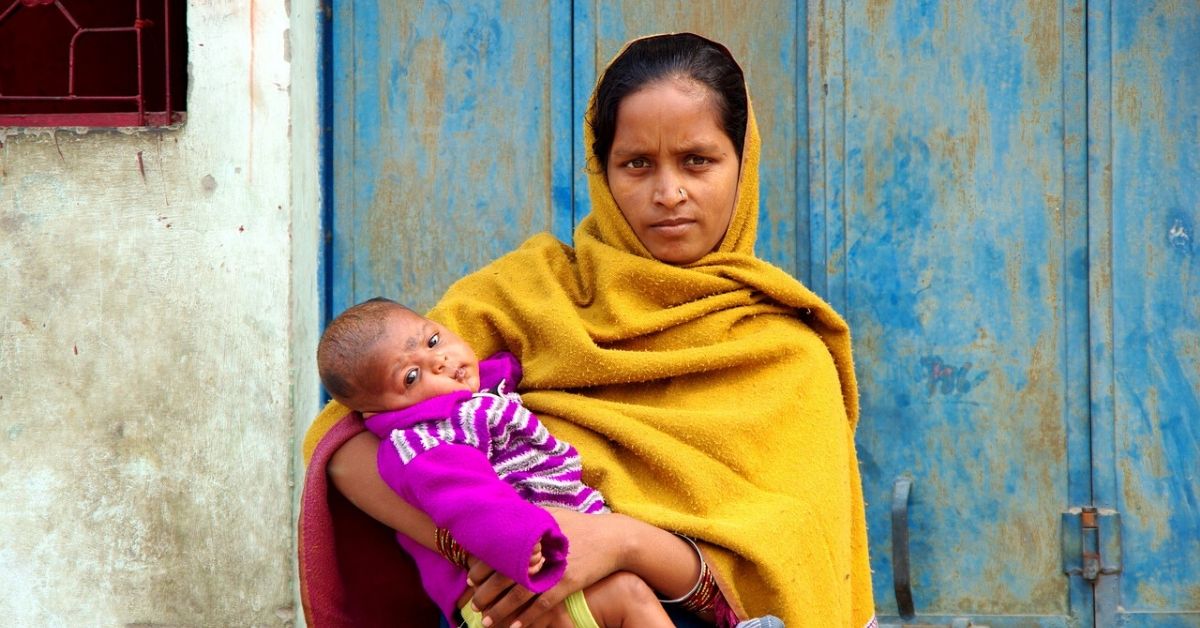
The Centre apparently did have an empowering effect among the community beyond mere economic gains. First, market dynamics and the apple business as such became more transparent and easier to understand for everyone. Thereby, people were enabled to participate actively and accumulate broader ownership instead of depending on traders and middlemen. Also, people were encouraged to view and understand power no longer purely along the lines of traditional class boundaries, but become aware of the power and possibilities for participation they have. Also, the Centre has an empowering effect on women. It was for instance repeatedly noted that women were for the first time participating in public meetings, and daring to speak up in public.

Breaking the prevalent market cycle

A main strategy of the Apple Project is to break the dependency of small and marginal farmers on middlemen through a process of a joint marketing via the Centre. This has both strong economic effects, as it raises the farmers’ direct gains significantly, and empowers them by reducing their risk of being exploited by middlemen. However, breaking entirely away from a highly organised network of middlemen is not an easy task. Middlemen still keep a tight control of crucial stages of growing as well as apples’ post-harvest processing. Sometimes, middlemen also operate transport services and buy apples from farmers at their orchards, but at a very low price. It is hence not easy for small farmers to delink themselves from the system controlled by middlemen. A sustainable, comprehensive alternative system should be in place.

The role of SJS as an external agent

The commitment, entrepreneurial competence and perseverance of the leadership of the farmers’ association and the Centre staff have been the main contributory factors for the success of business operations. SJS as an external agent has, however, played a distinctive role as a facilitator of the process. SJS’s main contribution has been to come up with an innovative business model for small and marginal apple growers and to build capacities of farmers to own and run such a business operation. SJS’s role in this regard has been building capacities of farmers in general and leadership of the farmers’ association in particular. The other important role that SJS has played as an external agent is to mediate power-play in relation to forming the farmers’ association.

Matching economic goals with social goals

The uniqueness of the Apple Project is its business model which is based on the functioning of the business operations whilst at the same ensuring social goals. If economic benefits are only used for consumption purposes there is no clear link to social change. Hence, it is important to monitor what the money is spent for (e.g. education, better health care etc.).

Story Telling Workshop for the Apple Farmers (Courtesy: CDC)

Story Telling Workshop for the Apple Farmers (Courtesy: CDC)


Economic empowerment alongside social interventions is required in order to stimulate long-term social change. SJS is also aware that joint ownership of the business operations alone will not automatically deliver social goals. The new form of collective ownership is an alternative to the form of organisations hitherto established in the village which were dominated by the Sayanas. SJS is cautious that opposing an existent power structure can lead to the unintended creation of another power structure. This is a major concern for the future.

Promoting a value-driven business model

Organising small and marginal apple growers is not simply an economic activity. The story of apple growers in Bawar area suggests that power structures and politics play a major role in village life and an economic activity cannot circumvent or keep aloof from such realities. The new farmers’ association and the Centre promoted a principle of political neutrality and a leadership model which is based on competence instead of party affiliations. Promoting a new form of economic activity with a social goal based on political neutrality and competence had been possible due to the values of inclusiveness and tolerance of diversity, which the Centre stands for. Drivers of change must hence incorporate the values they aim to promote, and these should be reflected in all areas of operation.

Enabling farmers to jointly move up the economic chain

With support from private investors, originating from successful business families, a new model for advancement of small and marginal farmers is now being tested in India and other countries. This model is an attempt to find a healthy entry point for rural development by concentrating on setting-up healthy agro-businesses in which farmers themselves gradually gain economic ownership.
Similar to the self-help groups and cooperatives, the aim is to set-up healthy business in handling, processing and trading farmer’s commodities on a commercial basis. The main difference of the new approach is that the farmers are equal business partners of the investor: they will only gain full economic ownership if the investment is repaid fully. No paternalistic form of aid, but a sound economic partnership between an investor and a (farmer-owned) company. The investor assists the farmers in setting up commercially-run businesses (private Limiteds), based on a solid feasibility and business plan, and makes available a full (guaranteed) loan to the new company. The companies are to generate sufficient profit to pay back the loan, capitalize the company and invest in new profitable business ventures (allowing the farmer to move further up the value-addition chain). Part of the profit flows back to the farmers in the form of better prices for their commodities and possibly dividend payments.Some of the guiding principles behind the projects where the new model is being tested, are:

  1. Invest in profitable agro-business ventures – set up farmer-owned businesses, based on professional feasibility analysis and business plans.
  2. Farmers: equal business partners – farmers are not merely ‘beneficiaries’ or ‘the target group’, instead they are an equal business partner of the private business partner/investor
  3. Loan, no free money – the investment required is brought in by a private business partner, driven by its social corporate responsibility, rather than by its profit seeking objectives, but is to be repaid to sustain the model.
  4. Farmer ownership – as repayments are made on the investments, the economic ownership of the company is automatically transferred to the farmer groups.
  5. Continued strategic guidance by professional/business partners – whereas farmers are to gain 100% economic ownership over the business, and they are to be represented in the governing body (Board of Directors), the majority of the BoD will remain professional or business partners, to ensure that the long-term interest of the company and continued strategic guidance is secured.
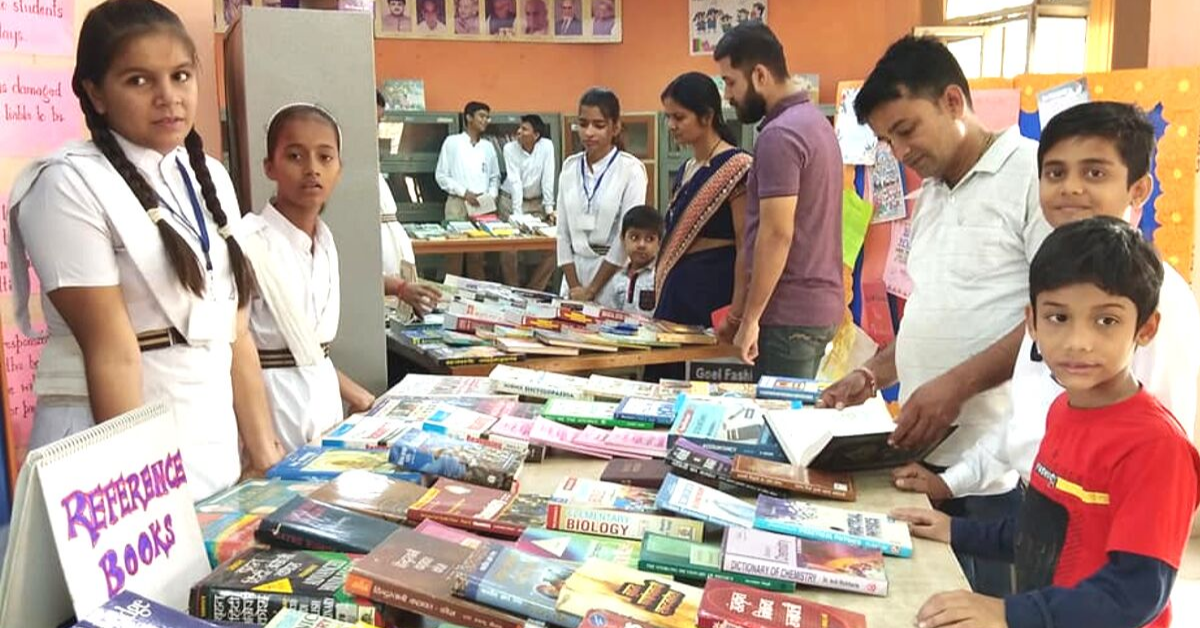
  6. Invest, but also plough back profits – While investing in higher value-addition processing, the model is intended to plough back part of the profits to the farmers and into new economic activities in the region.
  7. Collective action to save time, energy & money
  8. Improve bargaining position
  9. Take out intermediaries – e.g. the middlemen or informal lenders.
  10. Overcome difficulties in handling & logistics – e.g. inaccessibility and transportation, especially in undulating terrains, leading to excessive wastage. Collectively, the farmers can more easily organize solutions or obtain external support (e.g. from (local) government or private sector).
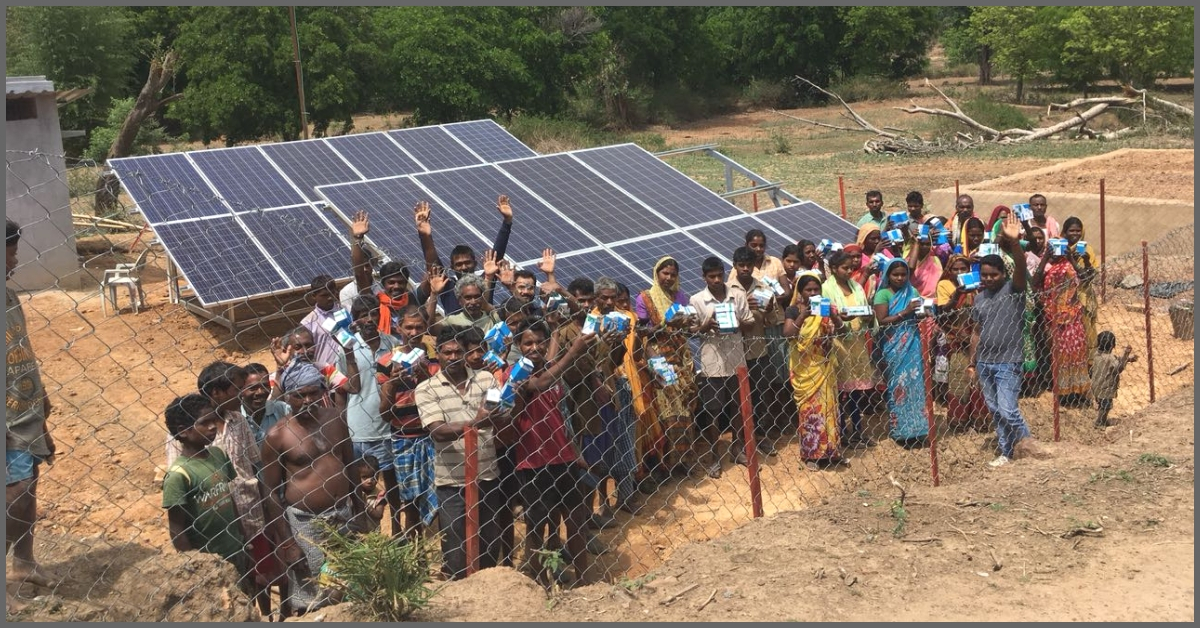
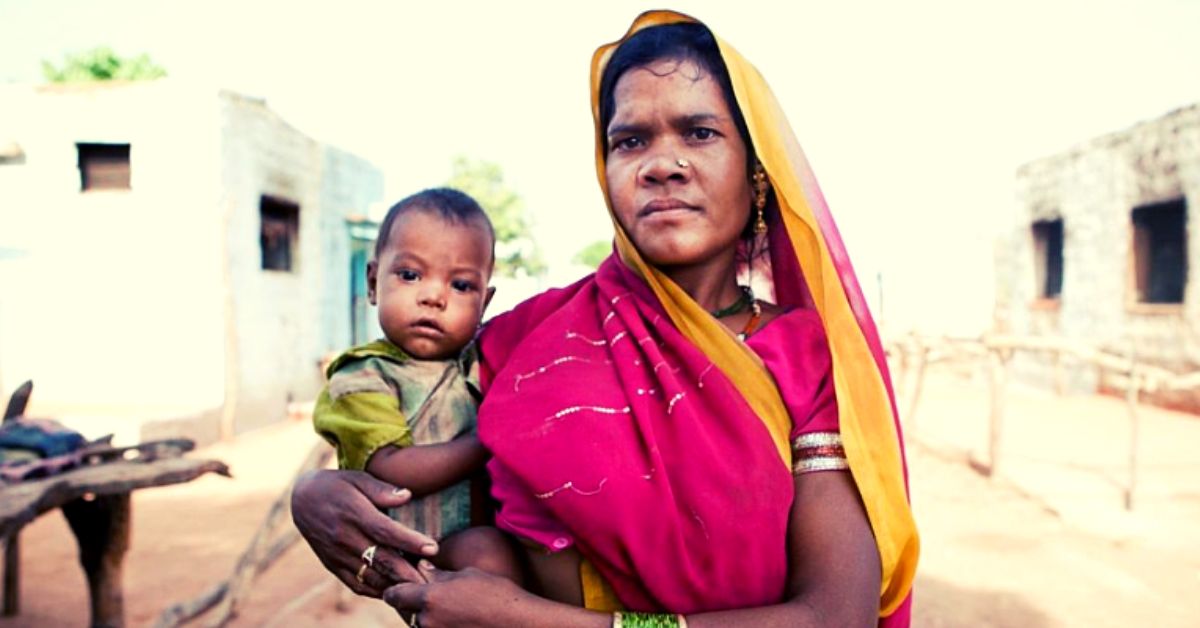
The above article is excerpted from the original article by CDC with due permission from SJS.
All images courtesy CDC and SJS.

India Biodiversity Portal

ibpIndia boasts of one of the most amazing biodiversities in the world. The vastly differing terrains and climatic conditions present along the length and breadth of the country gives it a unique flora and fauna, unmatched almost anywhere else in the world.

From this one can gauge the enormity of a task like documenting or mapping this biodiversity in any useful format. However, there is one body that has undertaken this daunting task, and is executing it with a commendable effort. This is the India Biodiversity Portal. Currently comprising of about a hundred maps depicting the various aspects of Indian biodiversity, it is an ongoing process of adding new maps and layers to the rapidly growing pool. The website makes it clear that user participation is not only welcome, it is essential:

..India Biodiversity Portal. A unique repository of information on India’s biodiversity. It is designed to harness collective knowledge, seek voluntary participation of users and establish a participative system of content generation, verification and usage. The Portal aims to facilitate and enable widespread participation by all citizens in contributing and accessing information on Indian biodiversity, that benefits science and society, contributes to sustainable future; and guide the development and use of this Portal. Your participation is vital.

The IBP comes under the aegis of The National Knowledge Commission, a high-level advisory body to the Prime Minister of India, which has many other portals to its credit such as the India Environment Portal, India Water Portal, India Energy Portal, etc.

Check out the IBP today. You will be amazed at the wealth of information in there. And if possible, do help them expand and improve.

Link Courtesy: Arvind Singh. Thanks a ton!

Plastic – The New Avatar

The Capital has set another example, with Delhi government banning the use of plastic bags in all commercial establishments, including shops, hotels, hospitals and malls. Only bio-degradable and plastic bags of over 40 microns thickness are allowed. A hefty fine of up to Rs. 1,00,000 or up to five years imprisonment for the defaulters shows that this time the government means business.

Not only that, the move has been supplemented by the introduction of an alternative to the banned material – a new kind of plastic bag which is woven using old plastic. These bags will be sturdier than the ordinary ones, and solve to some extent the problem of plastic waste management.

In lieu of this, the government has given grants of over Rs. 2 lakhs to three NGOs to manufacture these bags, and another to manufacture cloth bags. This article in Expressindia also gives more details on the grant recipients and the way in which these bags will be produced on the ‘polylooms’.

Going forward the Delhi government and its active Department of Environment is also considering giving grants for the manufacture of jute bags and using plastic in the manufacture of roads, as has been undertaken in some other parts of the country, including Bangalore. The initiatives taken display a seriousness of purpose, as action is also accompanied by alternative options, so that there is an incentive and possibility for change. Another feather in the hat of the Capital, and one more example for other states to follow.


Read the complete article here.
Image Courtesy: www.tenthousandvillages.com (The bags shown in the image are illustrative, and not representative of the actual products mentioned in the article).

Laptop for 500 Rupees

Update: The ToI today carries an article stating that this entire piece of news does not seem to be validated. Most likely the device is just capable of simple computing operations and not as full-fledged as a laptop. End of update

Laptops and the internet are more or less ubiquitous for most urban high school students. However, the cost barrier is still high and hence only a limited section of the student population can afford it. This is poised to change in the near future with the advent of a new Rs. 500 laptop (currently in prototype phase)
This Rs. 500 laptop prototype will be on display on February 3rd at Tirupati. This prototype is a joint effort by the students of Vellore Institute of Technology, scientists in Indian Institute of Science, Bangalore, IIT-Madras and involvement of Public Sector Units like Semiconductor Complex.

Akshaya Mukul writes in this article at the Times of India:

The $10 laptop project, first reported in TOI three years ago, has come as an answer to the $100 laptop of MIT’s Nicholas Negroponte that he was trying to hardsell to India. 

“At this stage, the price is working out to be $20 but with mass production it is bound to come down,” R P Agarwal, secretary, higher education said.

Another very interesting launches on this day will be those of an e-classroom, a virtual laboratory and an improved version of the existing ‘Sakshat’ portal.
The following is an interesting turn of events:

Sources also said that the ministry has entered into an agreement with four publishers — Macmillan, Tata McGraw Hill, Prentice-Hall and Vikas Publishing — to upload their textbooks on ‘Sakshat’. Five per cent of these books can be accessed free. 

Of course, all these initiatives also require that the current infrastructure be improved significantly. The article mentions that:

In this context, government would give Rs 2.5 lakh per institution for 10 Kbps connection and subsidise 25% of costs for private and state government colleges. 

The mission would seek to extend computer infrastructure and connectivity to over 18,000 colleges in the country, including each department of nearly 400 universities and institutions of national importance.

It is wonderful to see that the government and other institutions are coming together to herald in a new age of education and making use of technology to drive positive change.

Read the complete article here.
Image courtesy: incasoftware.co.uk

A Record That Bears Fruit

Not many people would have heard of Chaupakhi, a remote village in Assam. However it could be one of the latest entrants into the Guiness Book due to an eco-friendly afforestation initiative taken up by its residents. They succeeded in planting 280,000 saplings in just 24 hours, in a bid to outdo the previous record of 254, 469 planted by villagers in Nagapattanam, Tamil Nadu.

Manoj Anand writes in the Asian Age about this tree plantation drive and the man behind it:

The man behind motivating the Chaupakhi villagers for plantation drive was M.S. Manivannam, sub-divisional officer (civil) of North Salmara, who incidentally is from Tamil Nadu.
He told reporters: “Basically our purpose was also aimed at to involve the villagers in both eco-conservation and income generation activities. As we found a vast empty plot of land, we thought why not try out for tree plantation which has both eco-conservation and economic values. Moreover, the villagers can also get engaged under the National Rural Employment Guarantee Act.”

The benefits of such a mission are plenty. Besides guaranteeing an esteemed place in the Guiness Book for a hitherto unknown hamlet, it also provides employment and environmental benefits to the many residents of the place. Record or no record, let us hope the thought spreads, and such missions take root everywhere.

Read the complete article here.
Image Courtesy: www.tigerflag.com

Calendar

September 2010
M T W T F S S
« Aug    
 12345
6789101112
13141516171819
20212223242526
27282930  

Recent Comments

PROMOTION

"Neumonia and Other Sketch Stories" - A collection of sketch stories. Download the e-book for free. Click on the book cover below.
"The observations are acute: the sound of high heels on asphalt, the bit about how all BPO employees lose their hair very fast are spot-on. This book is a better, shorter alternative to any Sunday movie on TV. It's a little jewel" - Hindustan Times