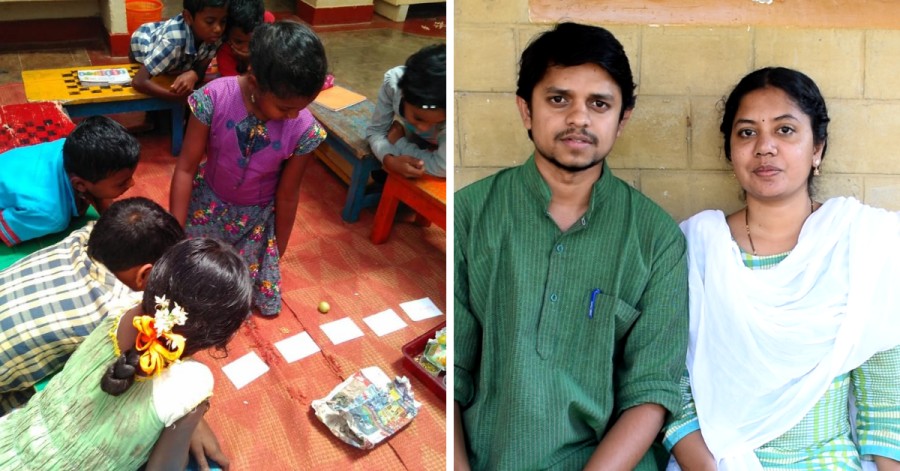
Doctor couple does wonders for tribals at Sittilingi

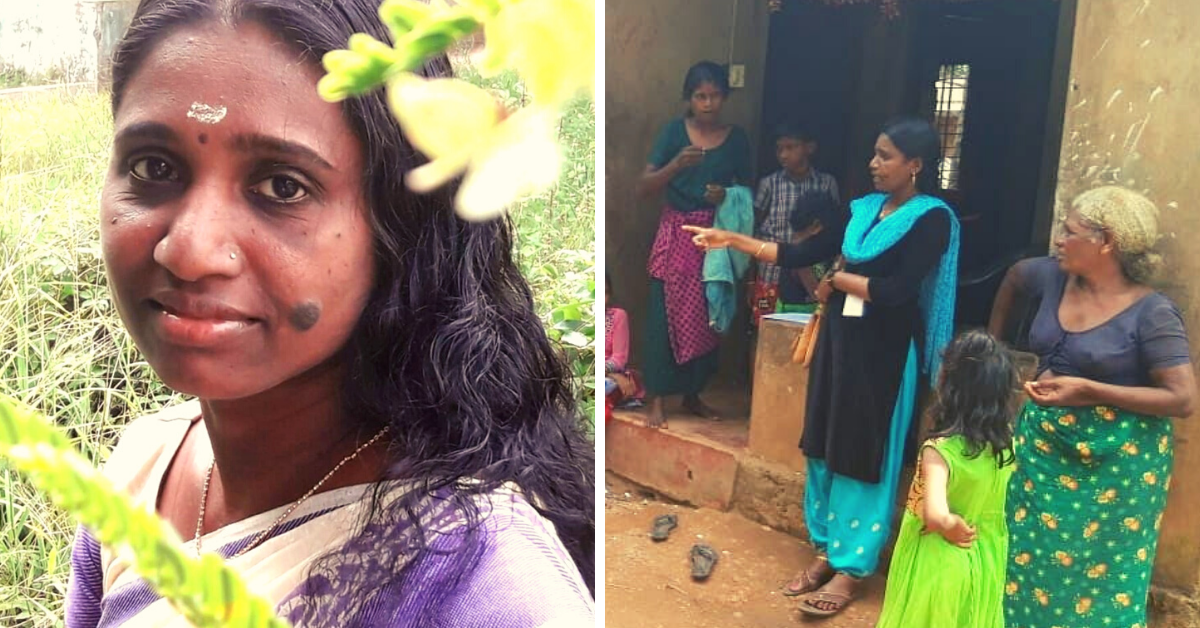
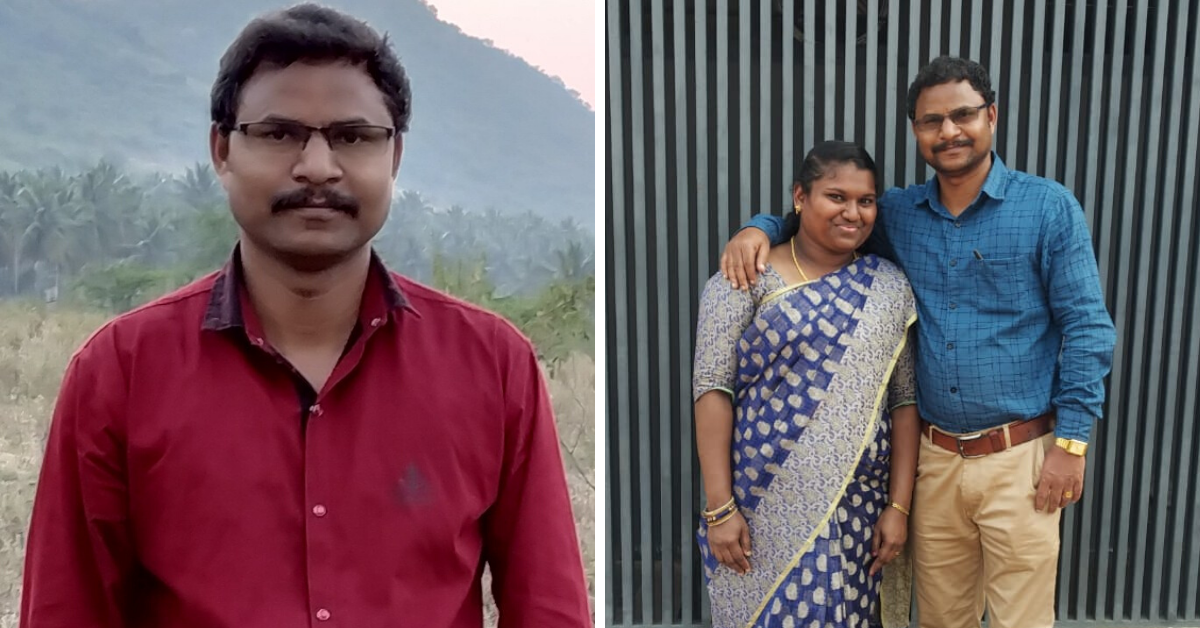
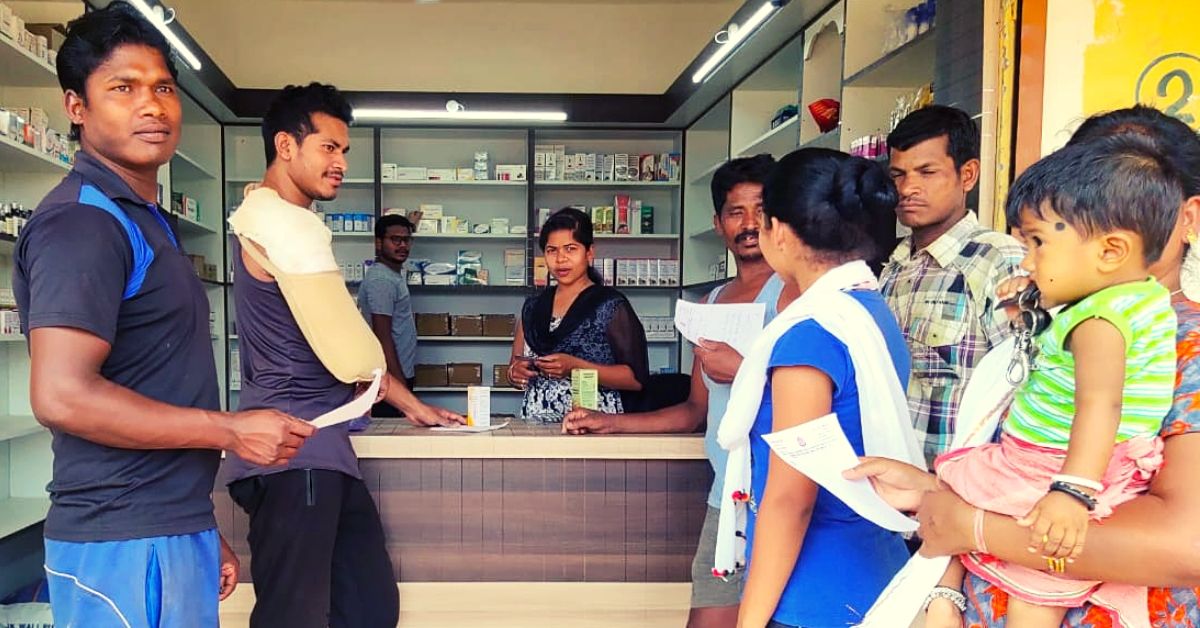
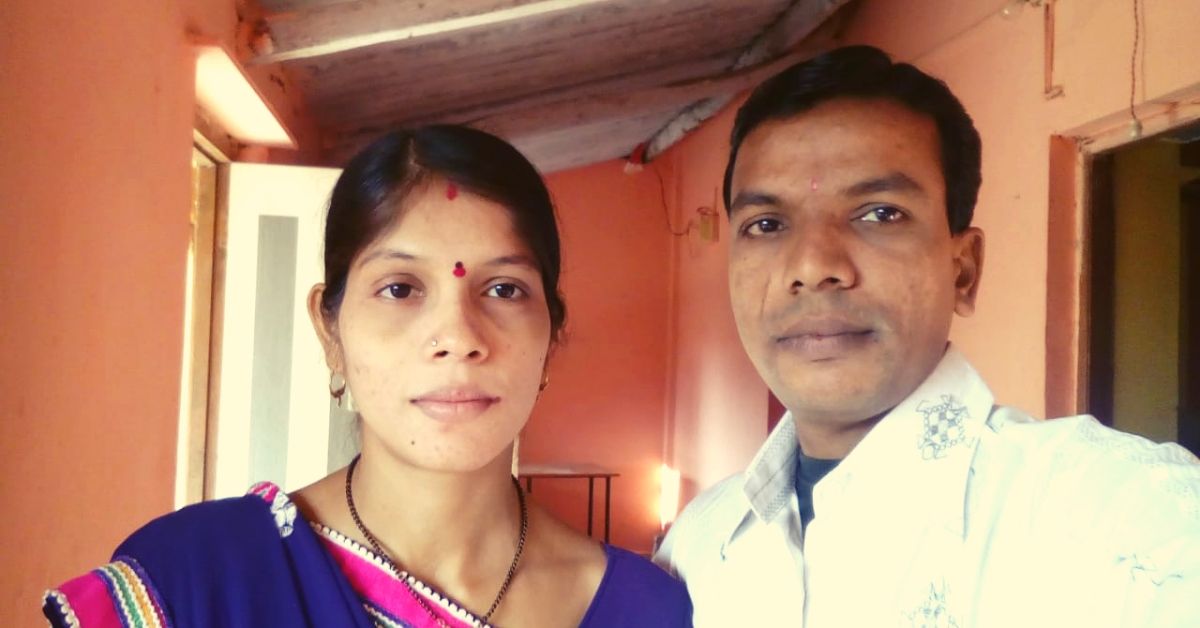
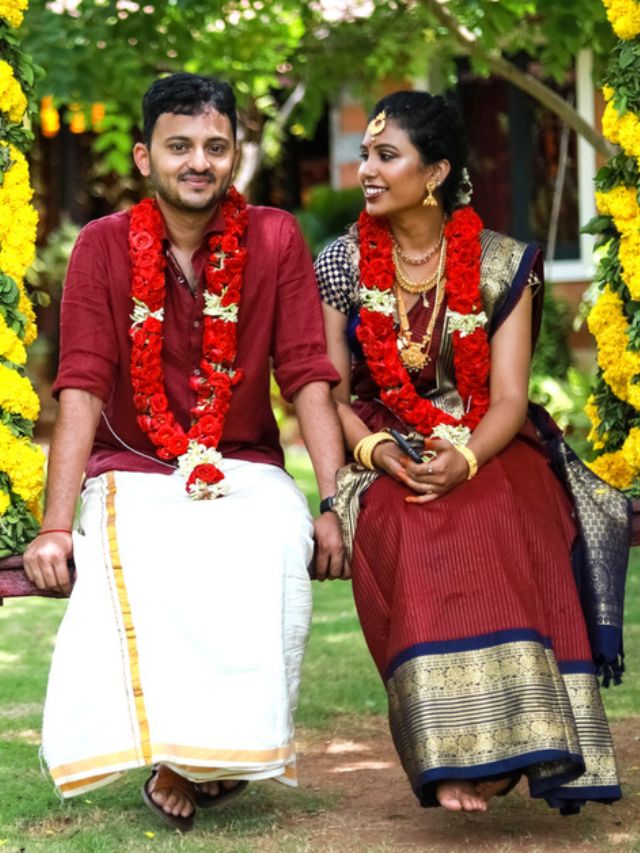
hospital2Sittilingi is a remote village in Dharmapuri district, 125 km away from Salem town in Tamil Nadu, which used to be a god forsaken land caught under the spell of quacks and black magic. Noisy drums and fake injections were all they had to cure illnesses. This is when Dr. Regi and Dr. Lalitha took the plunge. This doctor couple went ahead to provide medical services to the tribals of Sittilingi, leaving their promising careers in the cities.

The couple found their calling in service to the underprivileged and wanted to use their knowledge where it was needed the most. Their hunt for the right place to offer their service ended at Sittilingi, a totally neglected and ignored tribal village. They ventured into the village, faced tough resistances and now they have emerged successful in establishing a full-fledged medical center for the tribals. A service beyond praises! 

Regi and Lalitha called their service the Tribal Health Initiative (THI). Their perseverance and continued service has brought about dramatic change in the living conditions of the natives. Infant mortality rate in Sittilingi has reduced to 20/1000 and there are no mothers dying in childbirth for the past 5 years. The nutrition levels of children and the general well being of the people have improved to a great extent.

Another striking fact about the Sittilingi initiative is that the girls who serve as nurses at the medical center are personally trained by Regi and Lalitha. When Regi and Lalitha saw that it was extremely difficult to get nurses to work at this tribal village, they decided to go choose smart and trainable girls from the village. This became such a wonderful uplift to the self esteem of the girls that they are extremely proud to be part of this initiative and to serve their community.

THI’s approach to medical care went one step ahead in educating the people and ‘helping the tribals help themselves’. They wanted to create a general understanding about health and health issues and make the natives acquainted with basic first aid. Today, over 21 neighbouring villages are benefiting from the Tribal Health Initiative that sprung at Sittilingi.  

And, the couple didn’t stop with medical facilities. They organize educational programmes, cultural activities and community development initiatives. There is a library facility that is available for children who also get to listen to motivating stories from a community worker every month.  Truly commendable, right?

It is very heartening to know about the selfless and committed service of Regi and Lalitha and many others who are supporting them. You can visit them at Sittilingi and get to know their service better. We also encourage you to support the initiative by contributing to the cause. Visit http://www.tribalhealth.org/

Radio Bundelkhand – Giving Voice to the Voiceless

Azadpura is a village in Bundelkhand region. This area faces acute water scarcity and one problem that the women faced was a faulty well which required urgent repairing. The women aired this problem on Radio Bundelkhand and within four days the concerned authority replaced the missing wheel of the well. This is the power of Radio Bundelkhand, an initiative of Development Alternatives.

Community Radio for facilitating dialogue and interactive communication

The purpose of setting up Radio Bundelkhand, as identified with the help of our communities in the radius of the radio station, is to work along with them to use this communication medium to create awareness, give information, participate in local self governance and provide entertainment – all based on requests and feedback from the community. The audience includes the communities in the radius of the broadcast range – with special attention to women, youth and the marginalised groups.

 
Listening to Radio Bundelkhand

Listening to Radio Bundelkhand

Community Members on the Radio

Community Members on the Radio


The community and DA, jointly manage the station. There are five community reporters and six community coordinators. The villages these reporters represent are Azadpura, Ramnagar, Sitapur, Basova, Bagan, Bhagwantpur, Ghatao, Jamuniya, Gujerra Kalan, Mathrapur and Ghatao. There is also a Management Committee comprising the Sarpanch (elected village-head) of Basova Village, doctors, farmers and Self Help Group members.

Until now, Radio Bundelkhand has the longest duration of programming of four hours a day, seven days a week, in Bundelkhandi and Hindi amongst the government licensed community radio stations in India. The Government of India has given licenses to several NGOs throughout India to start community radios in their project areas. DA is one of the first to set up such a radio with the communities it has been serving for more than two decades in the Bundelkhand region.

The communities have decided that they would like information related to employment and livelihood opportunities, development of women, girl’s education, legal rights, farmers’ issues, training, their culture and history, how to ensure the availability of basic infrastructure such as water, energy and roads, development issues, and any other information sought by the communities. The broadcast timings in the morning and evening have been selected by the communities, with the women preferring the morning and the men the evening.

Programming Content on Radio Bundelkhand
Vandana –Devotional songs broadcast every morning.
Khet Khaliyan – It includes the Jhansi Mandi (unorganized market) prices for farmers so that community gets all the information related to agricultural products. Bundelkhand Radio also
broadcasts discussions about agriculture issues like how to protect seeds, crops & vegetables
from insects. Experts answer question asked by the farmers.
Bal Bandhu – Especially for school-going children. Moral stories, poems and jokes by school
children are included. Story telling through the Radio Jockeys is also a part of this programme.
Bundelo harbolo ke- This is about the Freedom Fighters of Bundelkhand. Stories of the freedom fighters & songs related to freedom fighters are also broadcast.
Aas Paas – In this programme Bundelkhand Radio broadcasts information on Right to
Information (RTI) and any other problem.
Mere Bundeli Mere Geet – is a listener’s programme in which they get the opportunity to listen to their choice of songs.
Amma ke Chauki Se – In this programme community women give their ideas on home receipes and step by step instructions for preparing the dish.
Nuskhe Nani Dadi Ke – In this programme older woman give tips on using home remedies or
Desi nuskhe for common ailments and diseases. Also, give tips of using simple home remedies and alternative herbal medicine, available from the average kitchen shelf.
Radio Drama – On every Sunday Bundelkhand Radio broadcasts a radio drama. In this
programme reporters discuss an issue and convey the messages related to social issues like
dowry, female foeticide, importance of education etc.
Sathin – Sathin is a special programme for women. Women from the community tell their story. They discuss the struggle in their lives and success story too. These women also share their
feelings what they want or wish for themselves.
Chhotou Kam Badou Munafou – This programme is for those people who want to do small business. Small entrepreneurs give tips to take up small business.

The programming, based on issues and content identified by the communities, is broadcast in the formats which they have preferred, that include the use of traditional Bundelkhandi songs, folk music and nataks, discussions, reports, commodity prices, phone-ins, experts speak, coverage of events in villages, jokes and satire, listeners’ letters and feedback. The Wireless Operating License was issued on July 31st, 2008 and the first transmission took place on August 15 2008 with the broadcast of the national anthem. Meanwhile the selected community reporters were trained over three months and a woman from Sitapur village inaugurated the station on the eve of Diwali. Community radio broadcasting/narrowcasting has allowed the rural poor to develop their communication in a language they understand. Community radio fosters debate on issues, facilitates access to government, decision-making and helps community members to organise themselves and evolve to manage their own affairs. Radio Budelkhand is characterised by its signature tune and jingles which declare that it is “Apna Radio Apni Baatein” – Our radio Our conversations.

Reaching our communities

The reach of the community radio is in a wide range of approximately 5-10 kms and 25 villages with a population of 15000 in the coverage area that are benefiting through the infotainment-based programmes. So far, Radio Bundelkhand radio has penetrated to the rural communities settled in and around TARAgram Orchha like the villages of Gundrai, Chandravan, Bagan, Orchcha, Sitapur, Azadpura, Lachmanpura.

The targeted beneficiaries are the marginalised and poorest with special emphasis on women and the unemployed youth who are the most vulnerable but also the potential change-makers. By selecting women community reporters, marginalised community reporters in an average age group of 20 we hope to reach them better.
The Management Committee also has a woman self-help group head. DA aims to ensure the participation of local people for the programming, broadcast and management of the station by the community itself.

The above article was written by Indira Mansingh, Chief Advisor, Development Alternatives.

Thank you Purnima Gupta for sending this across!
Previous article of Development Alternatives – Click here.

Parivaar

What is Parivaar?

Parivaar is a humanitarian service organisation, based in 24 Parganas (S), West Bengal, and at present is chiefly working for total care and overall development of homeless children from categories like orphans, girl children highly vulnerable to exploitation, victimization, and trafficking, street children, abandoned children, highly impoverished children from tribal areas and other such highly vulnerable children at Parivaar Ashram, Village- Barkalikapur, P.O. Bakhrahat, District 24 Parganas (South), West Bengal.

Starting from scratch and thereafter developed brick by brick, Parivaar Ashram is being continuously developed and moulded into a unique institution transforming the lives of each of its residential members (children and adults) and acting as a training ground of highly dedicated life-committed Seva-vratis for taking up multifarious service activities in future. As on 15th December ’08 there are 372 resident children and 30 Resident Seva-Vratis and 40 other day-time workers at Parivaar.

Parivaar Ashram also acts as a hub for various service activities for scores of the villages in the vicinity. At the Parivaar Ashram campus is also located Parivaar’s own Formal School ‘Amar Bharat Vidyapeeth’ in which the resident children of Parivaar study.

parivaarChildren are admitted at a young age of 4 to 10 into Parivaar Ashram. Each resident child once admitted into Parivaar will be under the care and custody of Parivaar till higher education (graduation / post-graduation) and subsequent job placement and settlement into future phase of life. Parivaar is and shall be behind each child and pave his/her way into any future career which he/she is aspiring for and showing promise of making to, whether it is a stream graduation in humanities, commerce or sciences, or a professional degree education in engineering/medicine. Their eldest group of children is already in Class 8 and despite the fact that they were late-starters in academic path (trained and initiated straight into Class 4 in 2004) they are outperforming children from educated households in their respective schools, and securing top-bracket ranks.

In the next 2 years, Parivaar is being developed to accommodate 1000 such resident children while ensuring the same high quality. A separate All-Girls Residential Institution is on the way of being developed which will be gradually expanded to accommodate 500 resident girls. Residential Institutions shall also be started in some of the far-off tribal areas where Parivaar is working.

Parivaar Ashram is also the base for many other projects serving the rural areas in 24 Parganas district as well as far-off tribal areas in districts of Midnapore (West), Bankura, and Purulia in West Bengal and Singhbhum (East) in Jharkhand. Two main tribes, Sabar and Birhore, are the main beneficiaries of Parivaar’s tribal service programs. 400 such families from highly impoverished tribal areas are enrolled in Parivaar’s regular Foodstock Scheme whereby 9 tonnes (9000 Kg) of foodstock (Rice and Dal) are ferried and distributed by Parivaar Seva-vratis through most inaccessible terrains in these areas every month. More than 100 children from these tribal areas have also been admitted at Parivaar Ashram Residential Institution. Also miscellaneous service activities like house-repair of dilapdited dwellings etc. are taken up across these villages.

See http://www.parivaar.org/Food_stock_Distribution_Scheme.shtml

Parivaar’s work has attracted an increasing number of supporters from amongst Indians in varied walks of life, and at the same time has been able to build a cadre of highly dedicated youth Seva-vratis who are initiated into ideals of service and trained at Parivaar Ashram.

The Beginning

parivaar1Parivaar was started by Vinayak Lohani (an alumnus of IIT Kharagpur and IIM Calcutta), who, inspired by spiritual and humanistic ideals of Swami Vivekananda, decided to devote his entire life for serving ‘Divine in Man’ as taught by Swami Vivekananda. Immediately after passing out of IIM in 2003, with just 3 children in a small rented building with almost no financial resources, Shri Vinayak started Parivaar. Till the level of 15 children at Parivaar, he used to take some lectures for students appearing for Management entrance examinations and through that could meet the expenses. Gradually people began to be inspired by this dedicated service and started to support this initiative and the number of children at Parivaar grew. At the end of 2004, Parivaar could purchase its own land to develop its permanent campus called Parivaar Ashram. Parivaar’s mission and theme began to attract dedicated youth, many of whom joined Parivaar Ashram as resident workers and began to become bearers of this mission.

Parivaar Ashram : Building of a Unique family

December ‘03 : Admission of 3 children at rented building at Bonogram near Thakurpukur, Kolkata.
June 30th ‘04: 59 children
Dec 29th ‘04: Purchase of land at Barkalikapur, Bakhrahat in 24 Parganas (South)
Dec 31st ’04: 67 children (all housed at Bonogram Centre)June 30th ‘05: 110 children.
Dec 31st ‘05: 145 children.
June 30th ‘06: 200 children.
April 15th ‘07: 226 children.
May 15th ’07: 250 children.
Oct 15th ’07: 275 children.
Feb 15th ’08 : 310 children.
Jun 15th ’08 : 332 children.

Dec 15th ’08 : 372 children

The Road Ahead

Parivaar wants to continuously develop its cadre of dedicated Seva-vratis who can devote themselves to a life of service and work in various neglected parts of India for our unserved brethren and bring light to their lives. Thus in the years to come similar full-fledged Seva-Ashrams shall be started in other places first in West Bengal and then in rest of India.

Parivaar’s Support Base

Indians (and a few foreign nationals too) all over the world have been influenced and inspired by Parivaar’s work. A large no. of working professionals including IIT and IIM alumni (more than 500 of them) the world over support Parivaar. Parivaar received more than Rs 3 Cr in the said Finacial Year, by Parivaar supporters worldover. Out of this the bulk was from individual donors who inspired by Parivaar support it magnanimously.

Read more about Parivaar and its activities at: http://www.parivaar.org/

The Common Man

A 16-year old who teaches 600 students in his backyard. A single man who led to an entire city being declared smoke-free, a year before the nation enforced it as a law. The saviour of the endangered whale shark who has rescued as many as 50 so far. A former Tisco employee who gave up her secure job to help poor tribal families in a remote Maoist-infested village build a new life. And a Physics professor who learnt all there is about rain water harvesting and then made it mandatory for all official buildings in Tamil Nadu. These are just some of the everyday heroes that are doing their bit to change lives, whether they are recognized for it or not.

Babar Ali is a class XI student in Berhampore, West Bengal. Moved by the plight of poor parents who could not afford to send their children to school, this youngster has been conducting classes after his school hours since he was 11. His students come from nearby villages, some even walking four km to reach his house. In order to induce better attendance, Ali also managed to get government officials to distribute free rice at the end of the month.

Besides lessons, the children are drawn by the free rice distributed at the end of each month. “Attendance was falling drastically. That is when I hit upon this idea. As my school is not recognised by the government, I couldn’t have got free rice. But government officials helped me,” says Ali.

Ali has big dreams for the future. “I dream that my school will grow and expand to other parts of the state and country where children want to but can’t go to school.” But for now, he will be content if his students get a proper classroom.

——

Hemant Goswami had been committed to act against tobacco since a school project he did in 1987. In 2004 he filed a writ petition with the Chandigarh High Court, following which the government was instructed to follow the tobacco Act in letter and spirit.

In 2005 when the Right to Information Act (RTI) came into force, Hemant decided to use it to make Chandigarh the first smoke-free city. He filed over 300 RTI petitions with all government departments and offices, raising questions about their adherence to tobacco control laws. In a year, more than 1,800 signboards warning people of the health implications of smoking were up in all government offices. Educational institutes too fell in line.

Hemant’s efforts finally resulted in Chandigarh being declared smoke-free in July 2007. But he didn’t rest even after that. He continues to monitor the proper enforcement of the law, and smokes out the violators.

——

Dinesh Goswami is a daily wage earner in Junagadh district of Saurashtra in Gujarat. But every time he hears of the whale shark being indiscriminately hunted by fishermen on the rough and choppy sea off the coast of Saurashtra, he rushes to their rescue.

Describing his most dangerous rescue so far, Goswami recounts, “State officials called me after reports that a shark was trapped in a net. After we set off, the sea got very rough and every minute, we thought the boat would overturn. Thankfully, we managed to save the whale shark and return safely.” Goswami now runs Paryawaran Mitra, an NGO for the protection of sea animals.

Having learnt about the whale sharks and their plight in a documentary by environmentalist Mike Pandey, Goswami decided to make it his mission to save them every time they are in danger.

——

In Purulia, along the Bengal-Jharkhand border, Jayati Chakraborty has started a school to help a tribe called santhals build a better future. Inspired by an NGO run by Kamalesh Chakraborty for developmental work in the area, she decided to stay on and make a difference.

She quit her job, faced down appalled friends and family. “They found it hard to believe that I would be better off working with poor people in a godforsaken village.” And she tried new things — linseed and tomato farming — finally deciding the area needed a school. “We converted a hall into a classroom and started with 66 students in 2001. It seemed the school was waiting to happen,” she says. Students pay Rs 30 a month. But paid pupil or not, no one is turned away.

—–

Chennai-based professor Sekhar Raghavan’s passion for saving and harvesting water found an outlet when he worked with the Centre for Policy Studies, which examines traditional ways of living.

He says he found “we had the complete records of Chengelpet district for 200 years and realized rain-water harvesting is not new, it’s just something we had forgotten”.

His Akash Ganga Trust eventually led to rainwater harvesting becoming compulsory for all buildings in Tamil Nadu in 2002.

—–

Thus we see that it is possible for a single person to change the lives of many, even while performing normal duties like going to school or earning a daily wage. All our barriers are just imaginary.

Read the complete article in Times of India here.
Image Courtesy: jyothsnay.wordpress.com

Meeting The World Challenge
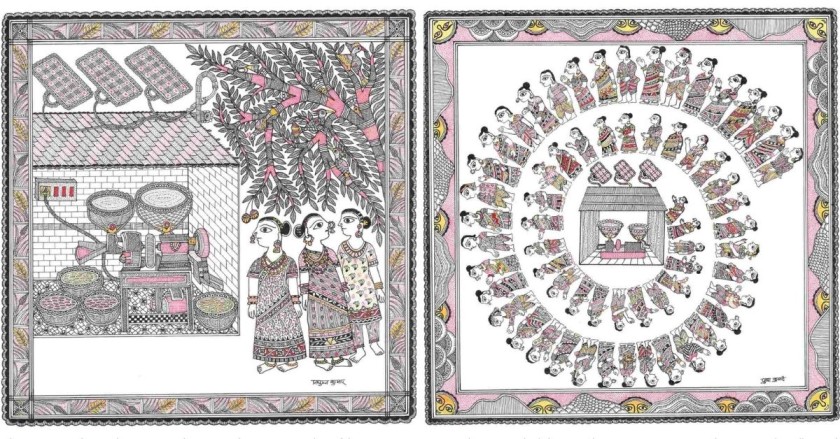
World Challenge is a global competition aimed at selecting the best projects or small businesses from around the world that have shown innovation and enterprise at grass roots level and provide them a financial aid. It is organized by BBC World News and Newsweek. This year, there were two finalists from India who we feel deserve a mention for their efforts in helping different sections of the society.
One of the finalists was Keystone Foundation, which helps the Adivasi honey-collectors in southern India to get better value for their products. These tribals excel in the art of wild honey collection from bee colonies in the most dangerous sections of cliffs. However due to exploitation by commercial planters, they do not get the right price for their efforts, threatening their ancient way of life and livelihood.
Keystone Foundation has helped them with the processing and packaging of the honey, so as to fetch a better market value. It has also taught the Adivasi hunters to make candles and balms from beeswax, which was earlier thrown away. A range of products are sold in Keystone’s shops, the proceeds helping Adivasis of around 50 villages. Below is described the humane and sustainable way in which these hunters extract honey from the honeycombs on cliffs:

For generations the Adivasi people of Southern India have specialised in collecting honey from wild bee colonies on cliffs. The hunters are lowered by ropes towards the colonies, where they waft smoke to calm the bees before breaking off a chunk of comb. Even in times of hunger, the hunters are always careful to leave enough of the nest for the bee colonies to recover. “They have been able to come up with systems that respect the bees and the environment,” explains Keystone’s Matthew John. “There are certain areas where they do not touch the combs at all, because they feel they are holy cliffs. But for us they are gene pools that they are preserving.”

The other Indian finalist is an organization called She Hope Society, which helps rehabilitate and bring dignity to the disabled in the Kashmir Valley. With help from a New Zealand charity, Sami Wani set up a Centre offering physiotherapy, corrective surgery and low-cost prosthetic legs for all who need it. In its two years of existence, the Centre has already reached out to around 700 disabled people. Sami explains the need that drove him to undertake this initiative:

Two decades of conflict in Kashmir have left a dearth of basic services. The disabled, in particular, have precious little support. “We don’t have big donors and we don’t have any government help over here to rehabilitate disabled children”, explains 27-year-old physiotherapist Sami Wani. Social factors such as poverty and prejudice add to the problem.

She Hope also provides basic education and micro-loans to its patients, helping them stand on their feet in more ways than one.

These are just two of the several thousands of organizations working towards the improvement of conditions of some of the neglected and weaker sections of society, bringing about change in their own ways. Though they have not been selected as winners in this competition, we do hope that they will receive help and support from many other quarters and continue with their good work.

Read more about the competition and all 2008 finalists here.
Link Courtesy: Amita Chauhan from GiveIndia. Thanks!
Image Courtesy: World Challenge 08

Vivekananda Girijana Kalyana Kendra (VGKK)

“All the wealth of the world cannot help one little Indian village if the people are not taught to help themselves”


These are some of the words of Swami Vivekananda that inspired a young Dr. Hanumappa Sudarshan to venture into the B R Hills region near Mysore and devote his life to the development of the native Soliga tribe.


The Beginnings:
As a student of Bangalore Medical College, Dr. Sudarshan spent his free time helping the tribals of the Nilgiris with Dr.Narasimhan. And after graduation, he was clear in his mind about the purpose of his life. One day in 1979, he took a solitary bus to the forlorn and perilous B R Hills, and his life changed forever.

Dr. Sudarshan in a tribal village

Dr. Sudarshan in a tribal village

With the humble beginnings of a small hut on a rock, Dr. Sudarshan started operating his clinic with two staff members. The initial challenge was to find patients, as the sight of new people, especially people with needles and pills, was enough to frighten away the forest dwellers. However, as the doctor and his assistants became a common sight, and did not show any signs of going away, the tribals slowly gave in to their curiosity and began approaching them. It took several ‘miracle’ cures for them to start trusting the medicine man.


The Purpose:
Thus was founded Vivekananda Girijana Kalyana Kendra (VGKK) in 1981 for the improvement of these tribal lives. Once the treatments of Dr. Sudarshan found acceptance among the Soligas of B.R.Hills, tribals from neighbouring villages also started pouring in. Dr. Sudarshan and his team would conduct information sessions in all these small hamlets to educate the local population about their work. The tiny hospital began treating a number of ailments and VGKK’s pioneering work began to show results.

While the medical facility took off and became a huge success, Dr. Sudarshan found from living among the Soligas that only health care did not bring about lasting changes in the lives of these people. They lived in abject poverty and unawareness, and while curative treatment was a necessity, it was not the only one. These people needed a lot more.

Thus VGKK started adapting to the needs of the community and evolving into ways not envisioned in the beginning. It came to focus on 3 more aspects of tribal development – education, empowerment and livelihood support – in order to provide more sustained benefits.

Health Care:
The ‘hut on the rock’ is now a 20-bedded hospital with all necessary infrastructures – laboratory, x-ray facility, operation theatre and a well-stocked pharmacy. This hospital caters to a large population of tribals in the region, including some from neighbouring Tamil Nadu as well, and offers them free treatment. The hospital maintains detailed case records of the tribals, and computerization of these records is ongoing.

The Soligas and other tribals are indigenous forest people and have extensive knowledge of nature cures and medicinal herbs. Dr. Sudarshan decided to nurture this aspect of traditional herbal cure, and incorporate it in his treatments. The medicinal plants have been identified and documented, and are grown separately for therapeutic purposes.

There are several communities of tribals living in very far flung and inaccessible forest areas which cannot be serviced by the BR Hills facility due to the immobility of these people. In the beginning they were served by Dr. Sudarshan with his medicine bags, traveling on foot to reach them. However, now a special mobile health unit comprising of a doctor, a pharmacist/health worker and a driver has been dispatched to visit these areas.


Education:
Looking at the needs of the community, the small hospital hut also started serving as a school at nights.

The School in B R Hills

The School in B R Hills

Starting with a first batch of 6 students, the school has grown to a strength of 500 students, and now offers primary, secondary, high school, college and vocational training.

Dr. Sudarshan realized very early on that it was essential to help these Soliga children learn about their tribal traditions and keep them alive, in order to remain connected to their roots. So, along with studies, the school imparts knowledge on the several plant and animal species that abound in the nearby forests and the children are taught to cultivate vegetables, medicinal herbs, poultry, bees and silkworms.

Care has been taken to ensure that the children who are educated at this school are not left without means of livelihood, and have ample choices in life, which were perhaps not available to their parents.

Three among the first batch of students have completed their post-graduation, with one of them holding a PhD, a remarkable feat indeed. Most of the children who graduate from this school return to the community to help further education and other causes that VGKK stands for.


Vocational Training and Livelihood:
It became evident that primary and secondary education is not sufficient to guarantee a means of livelihood. In order to bridge this gap, the students and other members of the community were taught other skills like tailoring, knitting, spinning, silk, cotton and jute weaving, cane and bamboo works, baking, carpentry,

Vocational Training centre

Vocational Training centre

smithy, agarbathi-making, bee-keeping, handmade paper making and food processing.

The vocational trainings were selected based on the easy availability of indigenous raw materials and to cover all sections of society, whether literate or illiterate. Care has also been taken to divert the Soligas from being completely dependent on the forest and its produce, so as to better conserve their habitat. In order to enable these tribals to generate income with their acquired skills, VGKK set up manufacturing and processing units and employed them. More skilled training programs like welding, motor rewinding and household appliances were started to offer the youth a range of opportunities.

The Vocational Training Centre (VTC) was set up in 1982, and since then has trained more than 700 girls and boys. Most of the trainees have then gone back to their villages and set up their micro-enterprises with the availability of loans.


Community Development:
The Soligas, like other tribes across the country, have been largely exploited by the government and local forest authorities. With no clear land titles and no formal education, it was easy for them to fall prey to scheming outsiders. It was essential to unite all the Soligas across the region, and give them a common voice for their petitions and struggle to be heard. This was accomplished with the organization of Sanghas in every village, which was a group of Soliga representatives, to fight for their rights. Most of their alienated land has been restored to them and Soliga candidates have done well in local elections as well.


The Person:
Dr. Sudarshan is a study in commitment and humility. The recipient of the Right Livelihood Award (1994) and the Padma Shri (2000) among many others, he brushes aside all his achievements with a sweep of a hand and a shy smile, and continues talking about the tasks he still needs to accomplish.

Dr. Sudarshan

Dr. Sudarshan

Dr. Sudarshan has been Vice-President of the Voluntary Health Association of India, and a member of the Independent Commission on Health in India, the National Commission on Population, the National Nutrition Mission, the National Human Rights Commission, and the Indian Planning Commission’s Steering Group for the development of Scheduled Tribes. As Chairman of the Task Force on Health & Family Welfare he has brought out a comprehensive report to reform the health system of Karnataka. As Ombudsman for Health, Education & Social Welfare, Karnataka Lokayuktha, he is fighting against corruption and promoting good governance to make the public services reach the poor including the tribal people.

Having pioneered the role of public private partnership in the social sector, Dr. Sudarshan manages more than 40 public health centres in Karnataka and Arunachal Pradesh and now Orissa, in conjunction with the Government. This is part of a related organization founded by him called the Karuna Trust which focuses on rural development. The largest community health insurance program in India is also run under its aegis, which offers incredible benefits to the poor like insurance at ultra-low premiums of Rs. 30 per annum for wage loss compensation of Rs.50 per day. Such initiatives are what make Dr. Sudarshan the person he is. Greatly inspired by the teachings of Mahatma Gandhi, Swami Vivekananda and Albert Shweitzer, Dr. Sudarshan emanates urgency of purpose and tranquility of inner peace, both at once.


Contact VGKK and Karuna Trust at:
#686, 16th Main, 4th T – Block Jayanagar
Bangalore – 560011 , Karnataka
Phone : 91-80-22447612
Email :ktrust@vsnl.net
Website: http://www.karunatrust.org/


Read More:
Wikipedia, Right Livelihood Award, The Hindu, Karuna Trust

Far Reaching Benefits

Tribal women with job cards, Tripura

The National Rural Employment Guarantee Act (NREGA) has been a boon for the ruralfolk of Tripura, as many other states. The construction of a 2-kilometer long stretch of earthen road in a tiny village in Tripura has made the women very happy, not only because it allows them to travel to the market faster, but also because it allows them the opportunity to take home an income in an area with few other options.

The scheme allows them to earn about Rs.85 per day. This income is less compared to what a man can earn as a daily wages as a skilled (Rs.200 per day) or even an unskilled worker (Rs.120-150 per day). So while the scheme might need some changes to appeal to the men, the women have been the major beneficiaries. Ratna Bharali Talukdar writes in India Together:

“There is no work available for women. The two kilometre road construction work under NREGA gave us the opportunity to work and earn something. But it was completed before the state assembly election. After the election, we are looking forward to more jobs under the scheme,” said Piranjay Debbarma, a senior woman of the village.

Be it for an increase in the family income or a crucial tool for living, Tripura engages a substantial number of women in NREGA projects as compared to other northeastern states. In some pockets like Jirania and Dukli blocks, participation of women in NREGA works is amazing.

The beauty of the scheme is the dual purpose it serves. Not only does it provide employment to the rural population, it also helps in building the infrastructure of these areas.

The state records construction of 6,716 kilometres of road under NREGA projects in 2007-08. In Dhalai, another 962.66 kilometres have been constructed during that year. Justifying the major thrust on road construction, the minister says that while road construction is a permanent asset building process aimed at accelerating developmental activities at grassroots, the state government has set a target that every hamlet having a population of 250 will be covered with a blacktopping road within next two years.

“Ensuring person days is not the sole objective of Tripura model of NREGA implementation. Our thrust also rests on creation of permanent assets in the state”, Pandey says.

Besides road construction, the NREGA has also been able to build capacities in water conservation, water harvesting, micro-irrigation works, fisheries, land development, flood control and protection, culverts and RCC bridges. We hope many more Governement schemes have such positive impact on the underserved.

Read the complete article here.
Image Courtesy: India Together

A Better Rat Trap – A Better Life

The Irulas are one of the lowest groups in the Hindu social order, found in Tamil Nadu. Many of them work as rat catchers in the farms of others, who pay them a small sum for each rat they catch. This being the chief occupation, the Irulas live in abject poverty.

Jerilyn Watson writes about this tribe and their ways of catching rats in this article:

The traditional way they catch rats is to light a fire in a clay pot. They blow air through a small hole in the bottom to send smoke into the underground spaces where rats live.

Then, for food, the catchers dig out the rats and any grain stored in their burrows. But often the rats escape, and the rat catchers get burned on their lips and hands. Many also suffer lung and heart disease from breathing the smoke.

Sethu Sethunarayanan, the director for the Development of Disadvantaged people in Chennai looked for a way to improve this technique, and dvised a new steel trap.

With the new trap, the rat catcher still forces smoke into the burrow. But the trap is attached to an air pump operated by hand. The catcher no longer needs to blow into the trap. And the pump has a wooden handle to prevent burns to the hands.

The Irulas asked for and received almost one hundred thousand dollars from the World Bank. They used the money to establish a factory to build the traps. It employs fifty women. The traps are sold for about twenty-five dollars each.

This small contraption has led to a dramatic improvement in the lives of the nearly three million Irulas. They’re earning more money, getting better health care, and more importantly, their children can now go to school instead of catching rats.

Prakash and Mandakini Amte win the Magsaysay Award for 2008

Baba Amte’s son and daughter-in-law, Prakash Amte and Mandakini Amte have won the Ramon Magsaysay Award for the year 2008 for their work in the field of social development.

Vivek Deshpande writes this article in The Indian Express:

The honour came in recognition of the work the doctor couple has been doing for the tribals at Bhamragarh in the thickly-wooded, Naxal-infested corner of Gadchiroli district of Maharashtra, where they have established a hospital and school, and, according to the Ramon Magsaysay Award Foundation in Manila, Philippines, have enhanced the “capacity of the Madia Gonds to adapt positively in today’s India, through healing and teaching and other compassionate interventions.”

In fact, Prakash has also won the Venu Menon Award for wildlife conservation in the year 2000.

Read the complete article here.

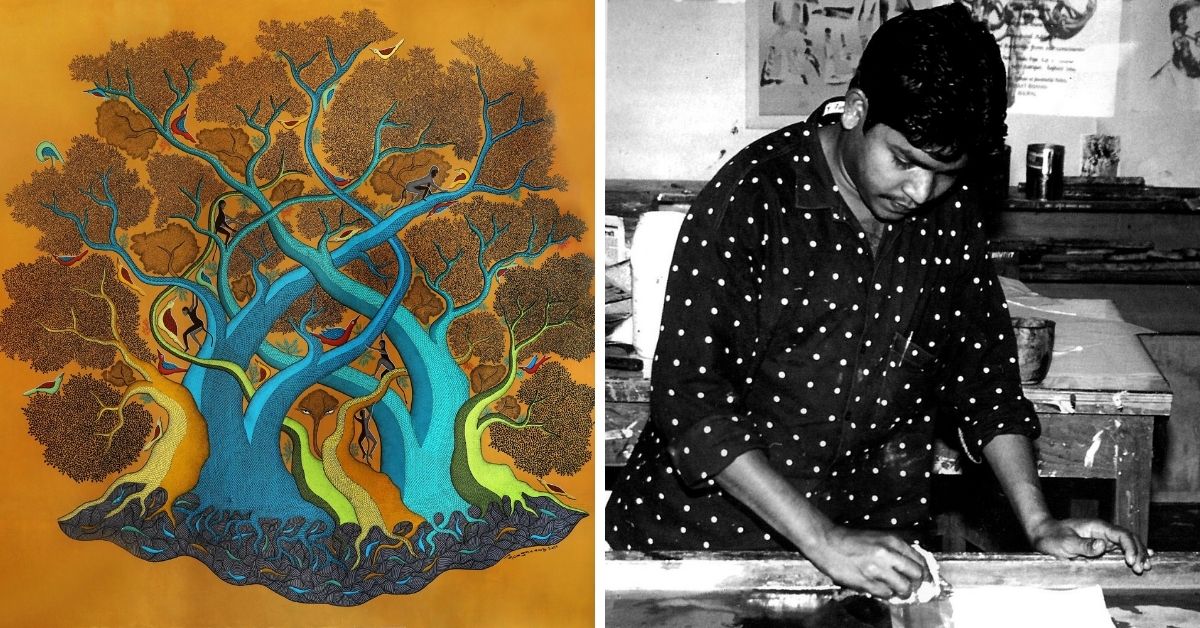
Tribal Art and Computer Animation

Finally, we are beginning to see some convergence of two ends of the spectrum. The technology behind computer animation is now being introduced to help bring out the native artistic skills of tribals from various regions of the country.

Shruti Chakraborty writes in this article in the Mint, titled “Technology helping bring tribal art to life”.

Excerpt:

Gond tribal artist Gariba Tekam had never even seen a computer till two weeks back. Now, he’s working with technology to bring his images to life.

As he paints a blue fox on a piece of paper, part of the storyboard for an animation film on a squirrel’s dream, Tekam says he is excited to help one of the many folk stories from his Patangarh village in Madhya Pradesh reach a wider audience.

The artist’s quantum leap into computer technology comes after two days of not-so-intensive training, part of the two-week animation workshop conducted by the Adivasi Arts Trust, or AAT, at the Indira Gandhi National Centre for the Arts, or IGNCA.

As of now, the program has on board tribals from three regions of India – the Gonds from Madhya Pradesh, Santhals from Jharkhand and West Bengal, and Meiteis and Thadou Kukis from Manipur.

To know more about how the project is being implemented and the genesis of this wonderful idea, please read the complete article here.

Calendar

September 2010
M T W T F S S
« Aug    
 12345
6789101112
13141516171819
20212223242526
27282930  

Recent Comments

PROMOTION

"Neumonia and Other Sketch Stories" - A collection of sketch stories. Download the e-book for free. Click on the book cover below.
"The observations are acute: the sound of high heels on asphalt, the bit about how all BPO employees lose their hair very fast are spot-on. This book is a better, shorter alternative to any Sunday movie on TV. It's a little jewel" - Hindustan Times