Udayan Care

udayan_logoShivam Udayan is an intelligent kid, quick to grasp new things. Now he has started learning horse riding at school. Ajay Udayan has been the head boy of his class since the last two months, he is very interested in sports and extracurricular activites.He also took part in Ramayana sessions in school. These are just two stories out of the 180 kids in Udayan care, 11 of whom are in boy’s NOIDA home There kids are mostly orphan or from abusive, destitute and dysfunctional backgrounds. The children over here live in well furnished, modern homes, with all the facilities that one would see in an upper middle class family. Children in the Noida home go to schools such as Rockwood and Assisi Convent.

Udayan care is an NGO started in 1994 by Dr. (Mrs.) Kiran Modi. Headquartered in Delhi, the organisation is working towards regenerating the lives of the disadvantaged children and women. They are committed to their aim of sustainable social development through various programs that include :

Udayan Ghars Shelter homes based on the Group Foster Care model developed
by the organisation with the sole aim of providing a family like environment for oprhaned,abused kids so as to promote social integration, brotherhood and providing the best possible education . Each Udayan Ghar is run by lifetime a volunteer mentor parent, the home on an average has about 15 children. Ghars are located in popular neighbourhoods and children attend private, English medium schools, and participate in vocational training and mental health programmes . At present they have twelve homes in and around Delhi/NCR.

Udayan Shalini Fellowship A distinctive higher education and vocational training scholarship, that works towards the transformation of disadvantaged girls into educated, independent and confident citizens like 22 year old Smita Verma who moved her family out of a one tenement flat in the congested bylanes of Old Delhi’s Chandi Chowk to an independent house in a decent location. She became the first engineer in her family , all thanks to the Udayan Shalini fellowship.

Outreach programme Started in 2004 to provide financial assistance to the children of HIV infected parents so that they are able to receive better nutrition, schooling and prospects of a better future. A long term relationship is established with the children through workshops, counsellings and home visits. In the eventual loss of parents, children are assured with Udayan Ghars.

Sugam Vedashram Project Nagapattinam district in Tamil Nadu was the worst affected by the Tsunami that rocked the shores of the country. Of the total district population of 1.4 million, approx. 197,000 were directly affected and 6051 were killed.Gasunie Engineering Technology (GET), Netherlands decided to ameliorate the suffering fisherman and develop a proper rehabilitation plan.

Finally three villages namely Chinnurpet, Chandrapadi and Talampettai were chosen and Sugam Vedashram Project was started in collaboration with Bandhua Mukti Morcha and GET. The aim of the project is to provide an educational and training platform for the devastated fishermen community.
At present they are seeking funds for the construction of the Center.

Udayancare is currently in the process of starting a hostel for underprivileged women. The organisation is accredited by Give India and Credibility Alliance.
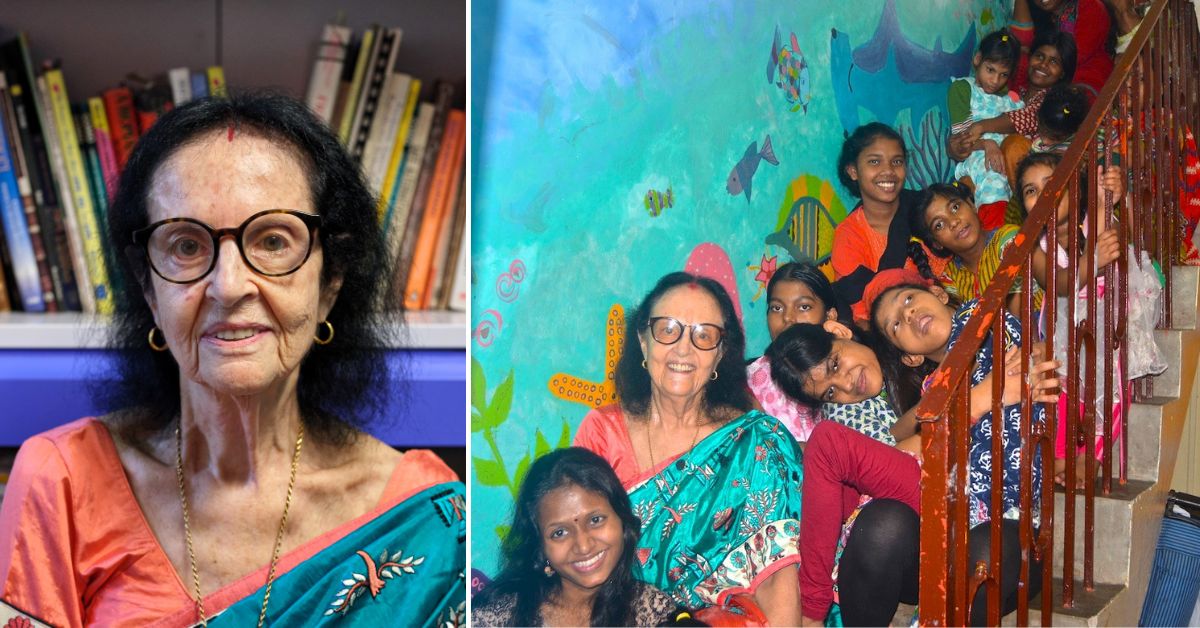
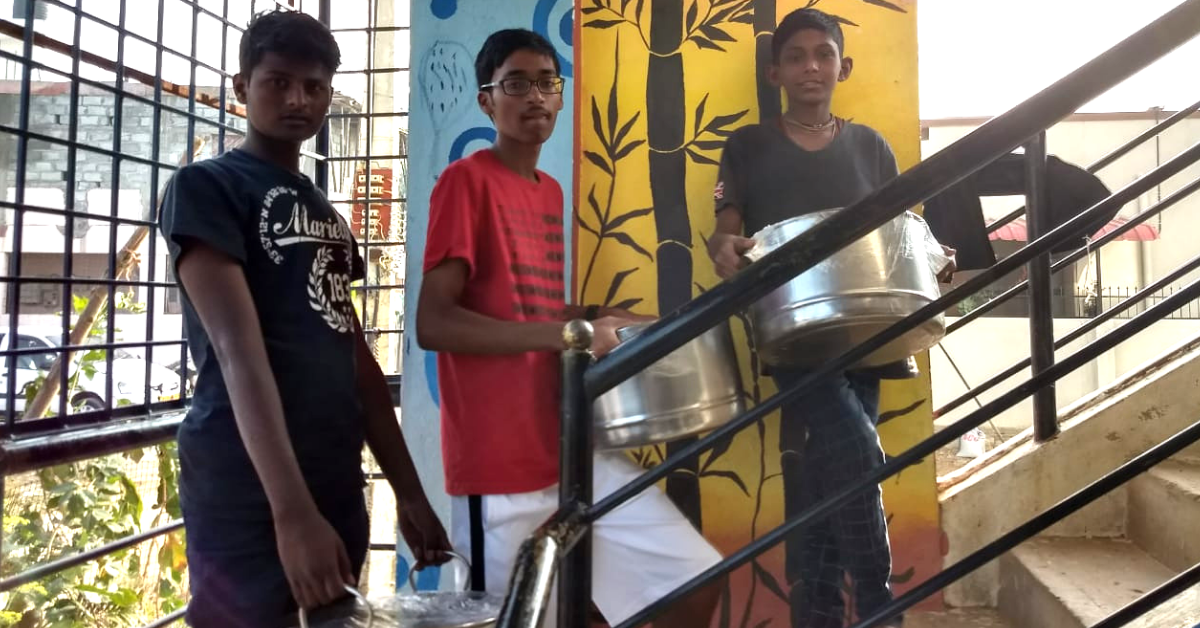
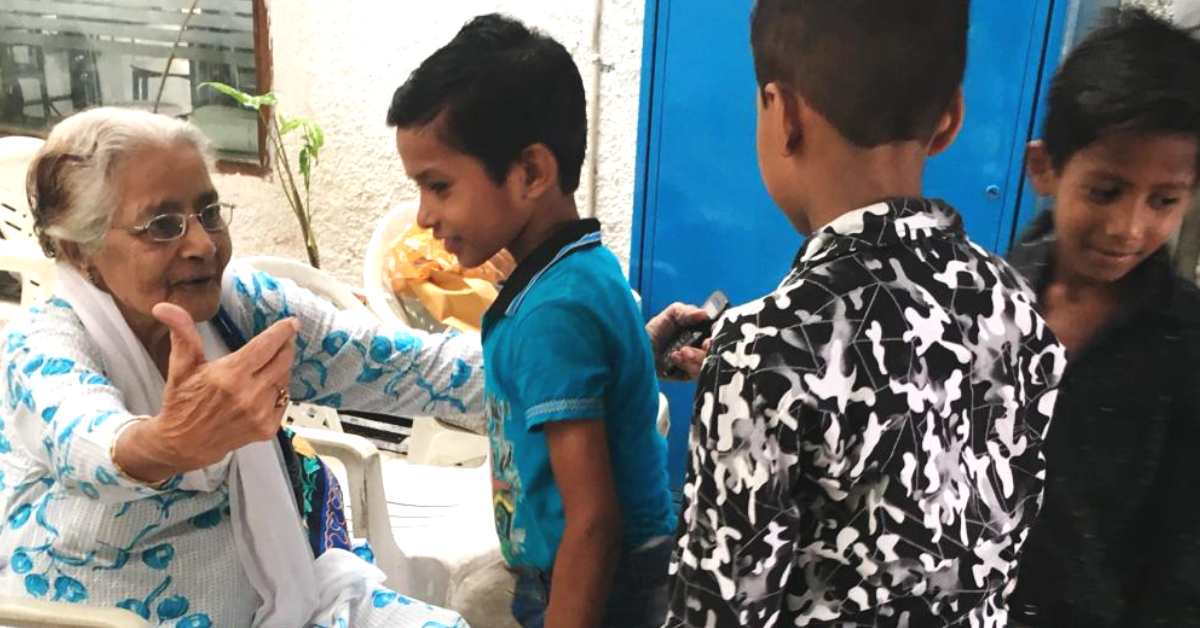
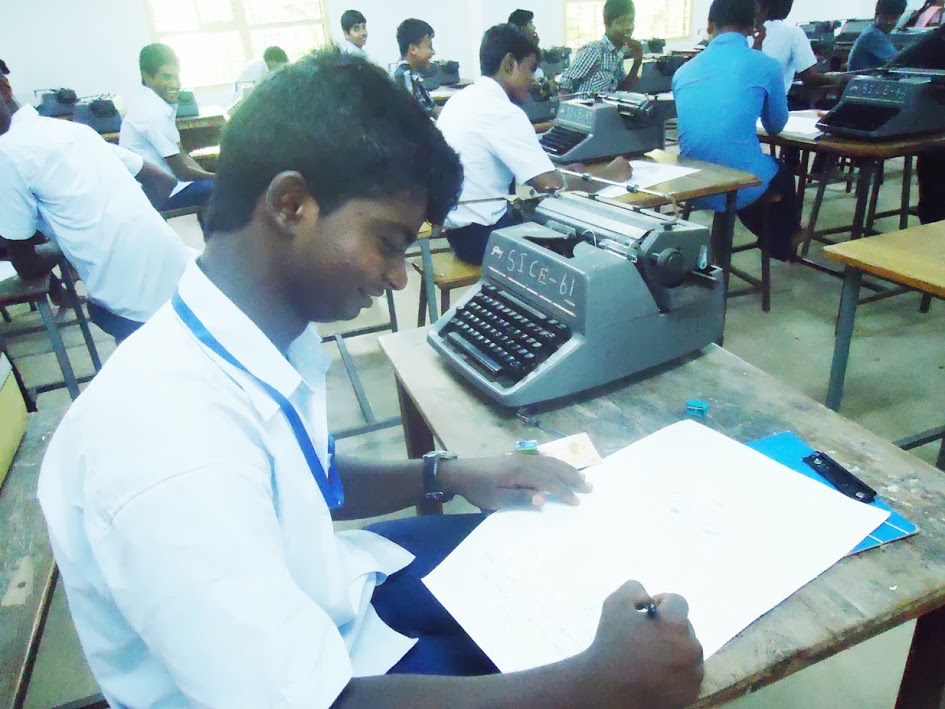
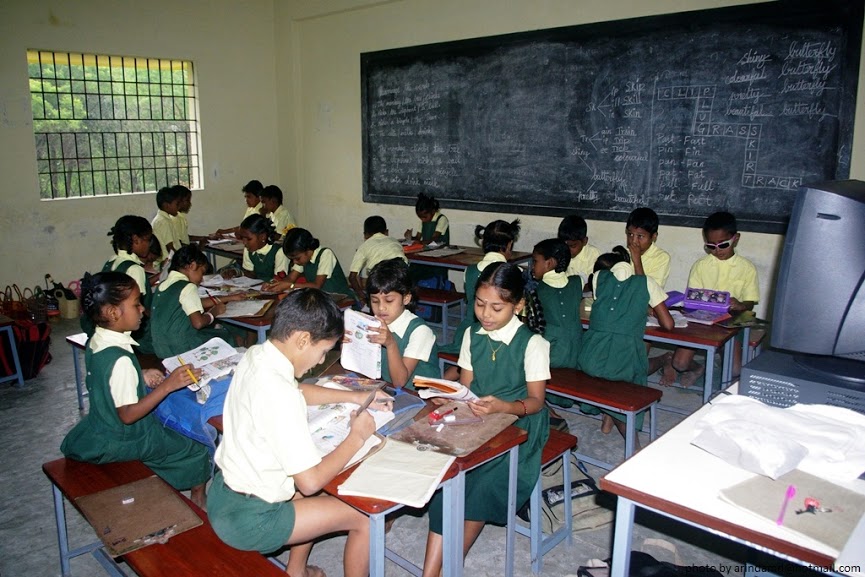
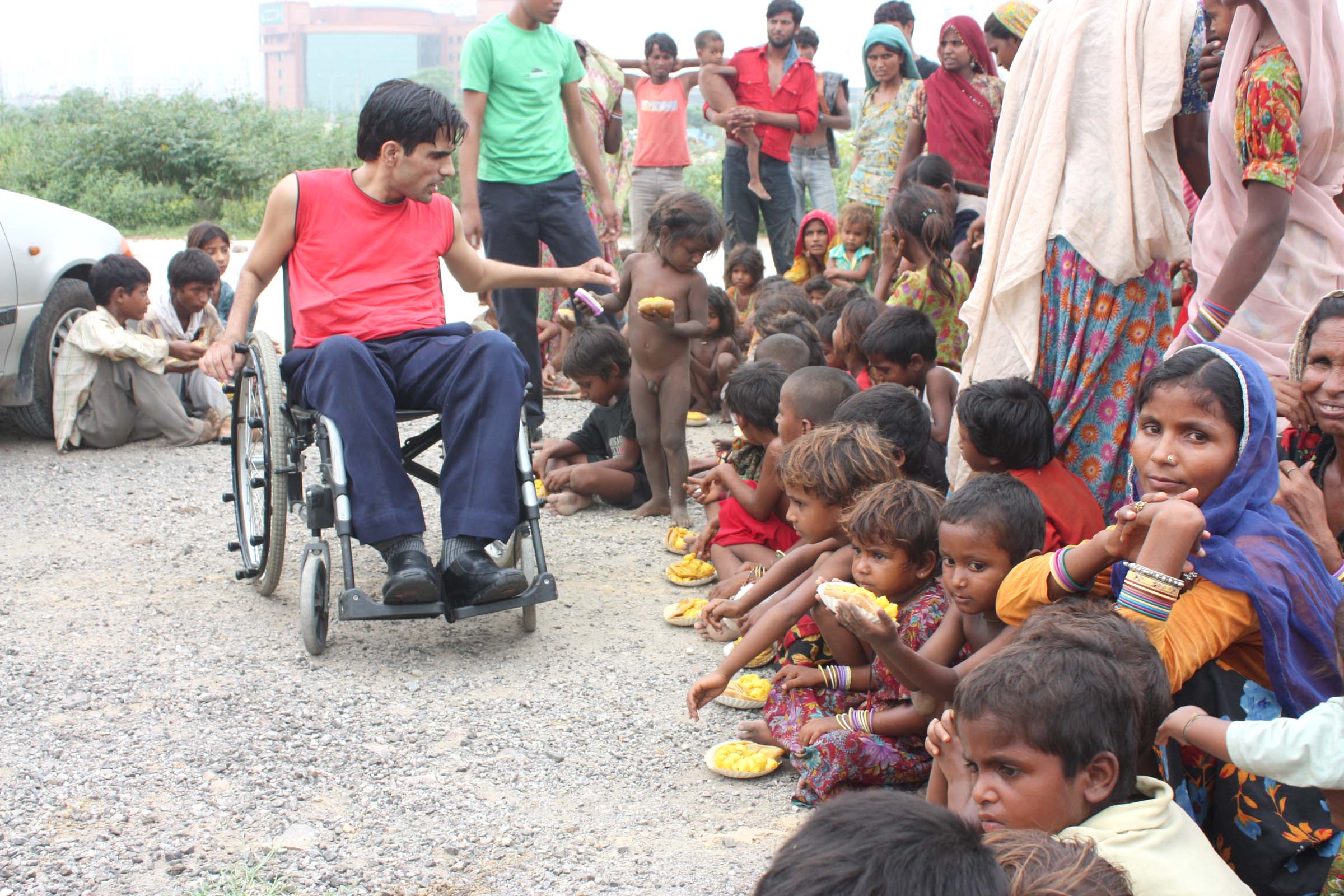
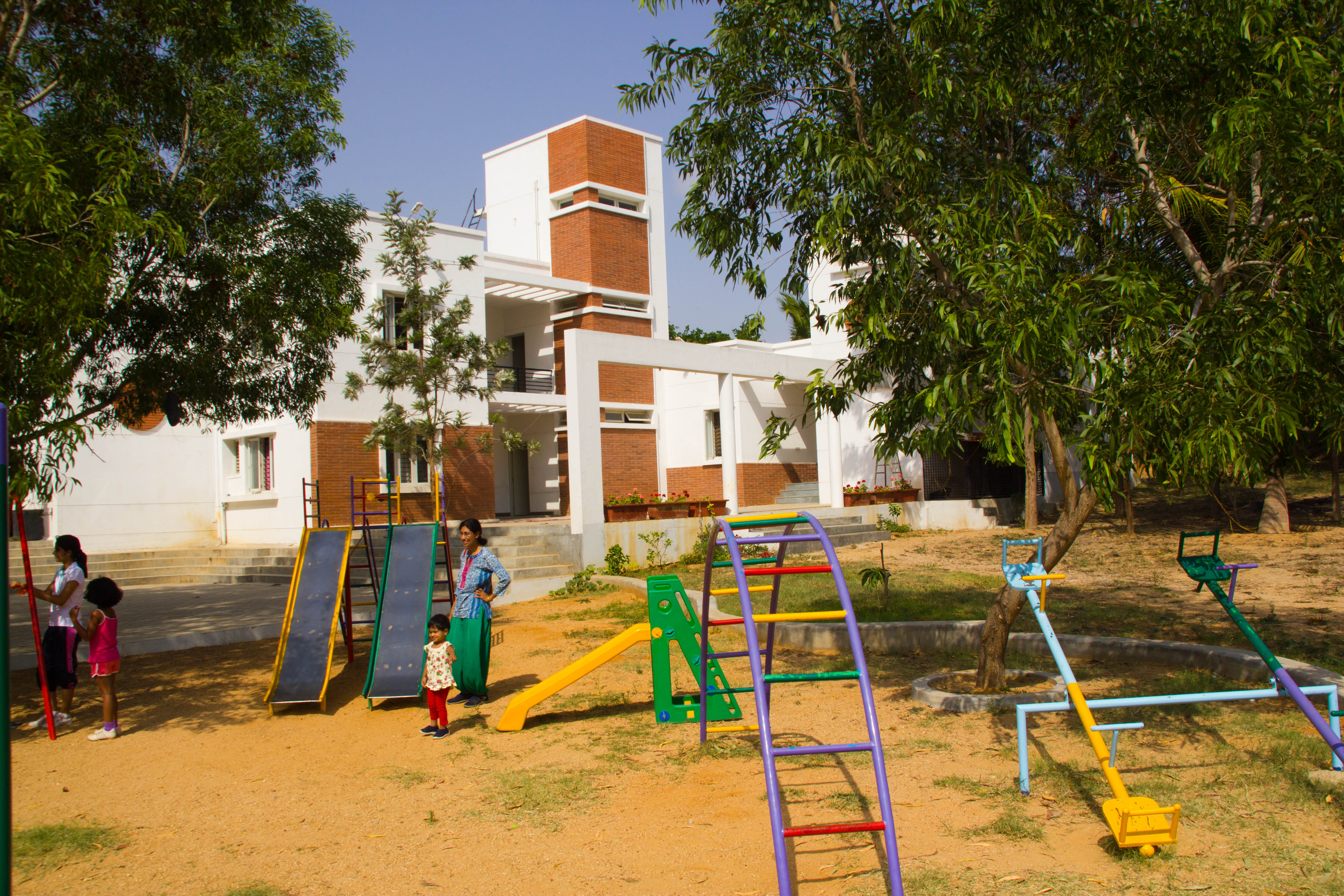
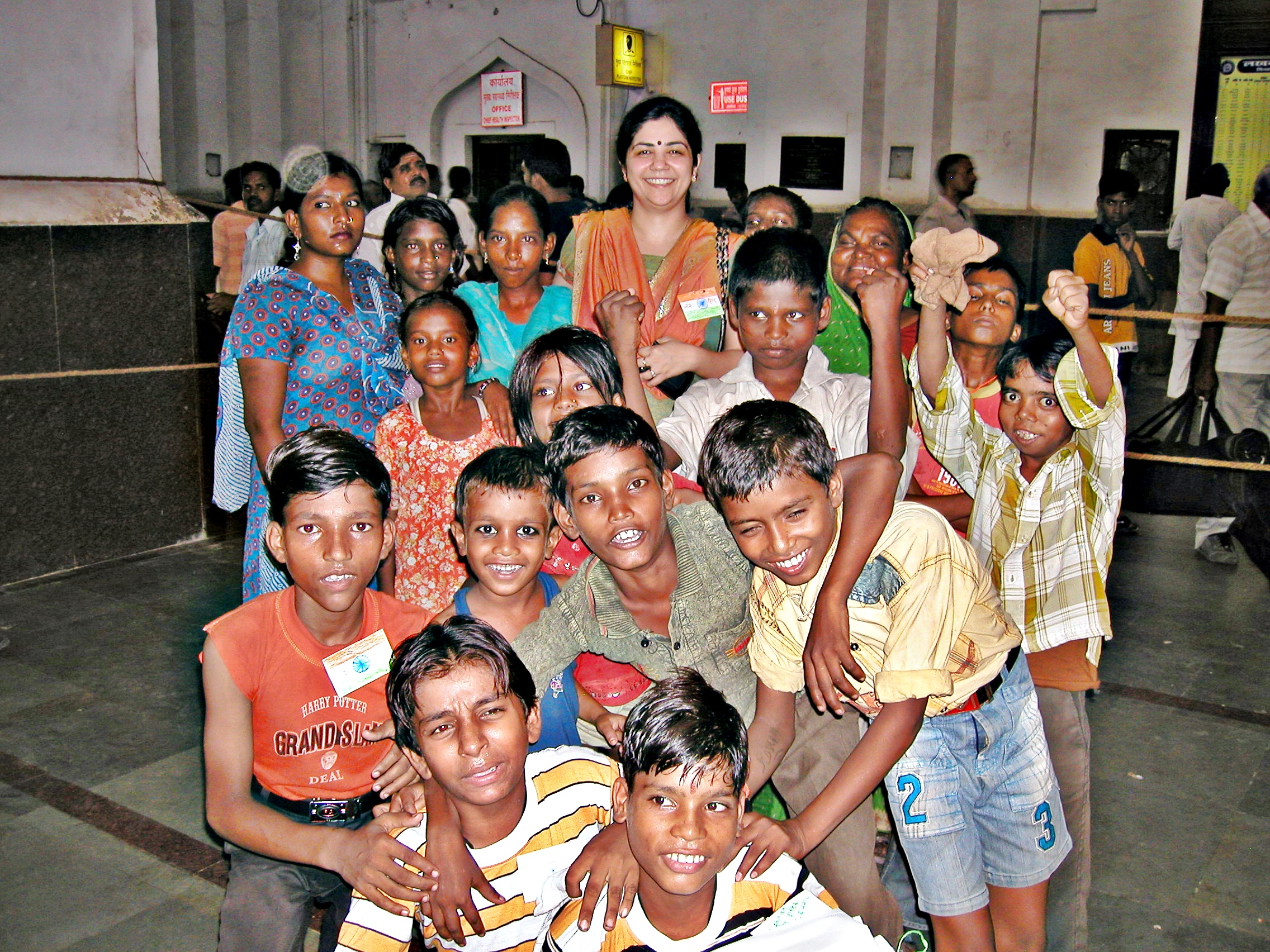
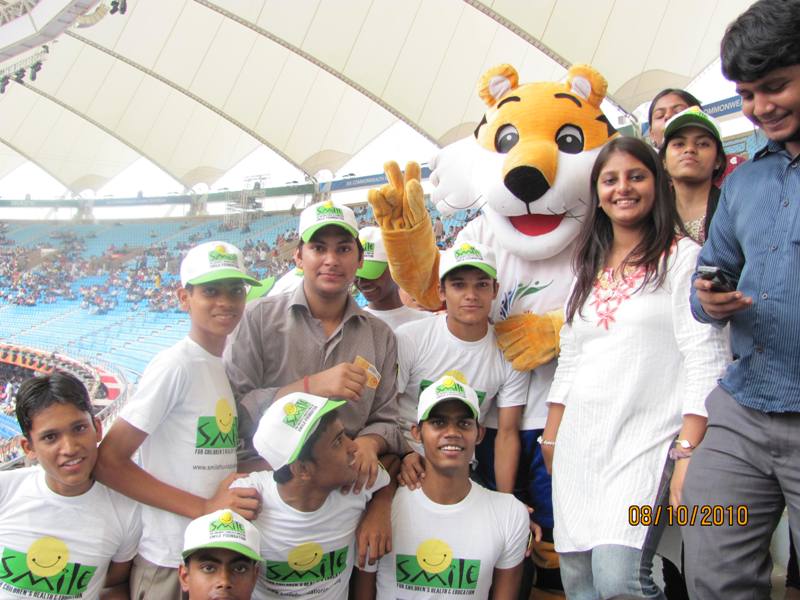
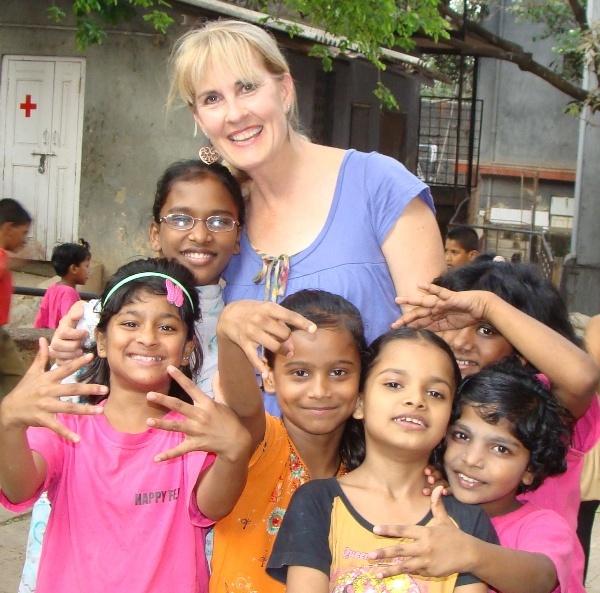
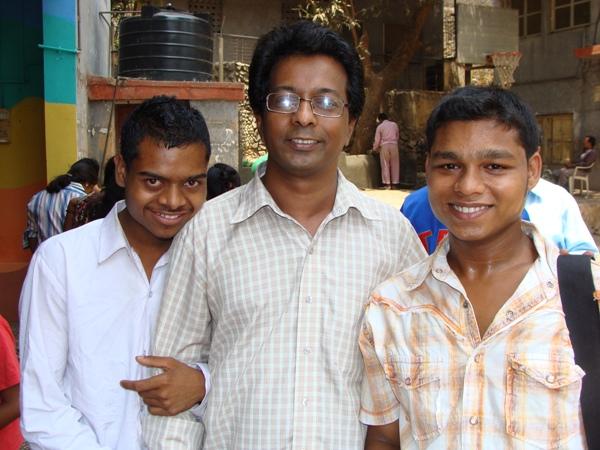
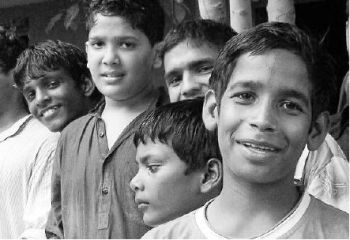
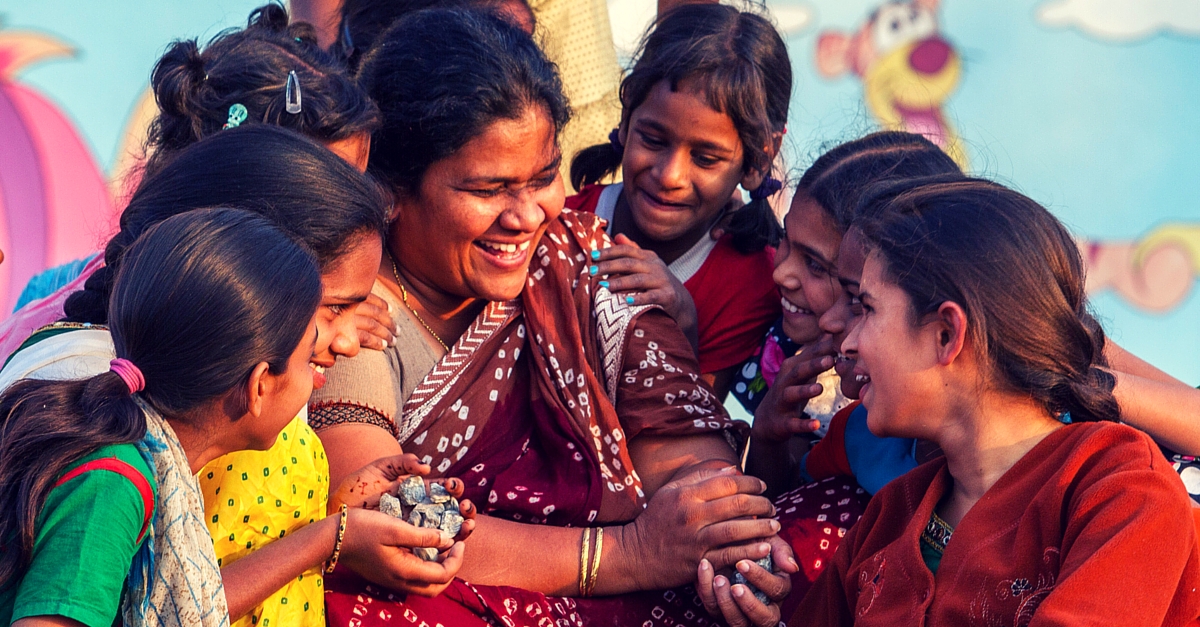
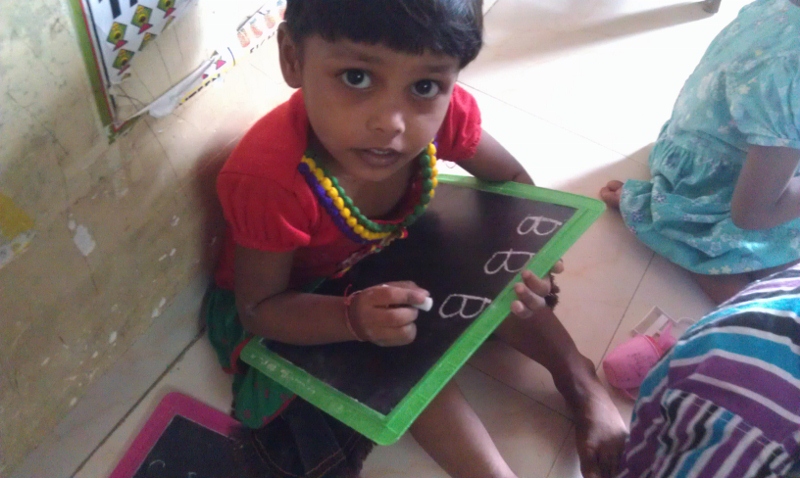
Here are some wonderful photographs of the children at Udayan Care:

udayan image

Children at the Winter Camp in Jagshanti Udayan Ghar, NOIDA

udayan-3

udayan-4

Contact Details

Please visit http://www.udayancare.org/ to know more.
Blog : http://www.udayancareblog.blogspot.com/
Twitter : http://twitter.com/udayancare

This article has been written by Rahul Anand, an IT consultant , entrepreneur and social activist living in Delhi. He has been associated with Udayan care as a volunteer since the last two years; has started a program with cafindia (charity aid foundation) by the name of 100ruppeeclub. Also, his venture www.simplypoet.com is the world’s first multi lingual poetry portal

Divya Chaya Trust

The Divya Chaya Trust (DCT) was established in 1984 mainly to help destitute children and women. Their main aim was to support educational and vocational activities at schools in rural areas and encourage educating the orphans and school drop outs.

Their work is significantly differently as they impart career counseling and provide students with opportunities for further studies. The trust holds confidence building therapies in order to enable women to support themselves financially.

Divya Chaya Trust is located at various states across the northern part of India including West Bengal, New Delhi, Uttar Pradesh and Haryana and is currently working with various child care homes and ashrams. These include the SD Jain Mahila Ashram and Arya Bal Griha at Delhi, Ramakrishna Vivekananda Mission situated in West Bengal and Delhi.

The trust has around 49 employees who work full time for the establishment and betterment of their reach. Apart from the above, there are approximately 50 volunteers who are working for the same mission.

Their remarkable achievement for the year 2007-2008 is that they have sponsored educational expenses for 500 children. They also had organized seven career counseling sessions for more than 150 children who had graduated and were looking out for jobs.

Their contribution towards the growth of special children with various disabilities is also outstanding. Although the government claims that of the total disabled population only 2% are educated and very few are employed, the DCT is doing their best overcome these figures and make them more presentable for the country. To achieve the same, the trust has various services which are solely for the disabled. They have a range of options to reach the disabled, which include financial aids, or even providing them with simple basic necessities like a hearing aid, a wheel chair or even a Braille kit. A contribution from our end towards supplying these necessities would definitely be of immense support to them.

The most disappointing fact, however, remains that their total income is severely lower than their expenditure. The trust did loose a significant amount which could have been well avoided, had there been enough contribution made towards the trust from citizens.
Despite this, the trust did not loose hope and has recently built a residential home for the elderly at Haryana.

It is truly incredible to know that citizens of our country are going beyond their reach to dissolve the bridge between the privileged and under privileged by ensuring that primary education and fundamental living necessities are being provided to significant section of people.

Read more about Divya Chandra Trust here: http://www.divyachayatrust.org.in/

NGO write up done by guest reporter Jheel Parekh.

When The Twains Meet

There is a deep chasm between the street children and children from affluent families. This is obvious to all. What might not be as obvious is the similarities between the two groups. This was brought out in an interactive session between the children of Ummeed – an ashram for homeless and street children near Gurgaon, and the students of Shriram School – an elite institution also in Gurgaon.
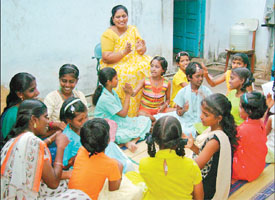

While the rich students were shocked and appalled at the stories of the street children, who came from extremely poor families, and had undergone several atrocities including sexual abuse, they were better able to understand the lot of these unfortunate children who they pass regularly on the streets outside their homes. At the same time, lives of the rich are not always enviable, and 5 days of being together brought out stories from the children from Shriram School as well that melted the hearts of the inmates of Ummeed Ashram. Harsh Mander writes more in The Hindu about this initiative and the noble thought behind it:

The purpose was to try to open a dialogue between children who were of exceptional affluence, and those who were the most deprived in the city, children who survive without adult protection on the mean and rough streets of the metropolis. We hoped that the conversations would lead to mutual understanding, empathy and maybe even — if nurtured over time — to friendships across vast chasms of class.

It was a humbling experience for the affluent kids to know that they could have very well been in the shoes of these poor children, and it was just a thin line of fate that separated the two.

A child was talking of how he lost his home and ended up on the streets. He was travelling with his parents in a crowded train when he was very young. He got off the compartment at a station, and the train left with his mother and father. He never found his parents again. For most of his childhood years, he grew up on railway platforms with other homeless children as his only family, earning his food through selling water bottles or picking rags, battling sexual abuse and police batons, seeking solace in drugs and the comradeship of his street friends.

A teenaged girl his age was listening intently to him. Her parents were wealthy, and she studied in one of the most privileged schools in Delhi’s capital region. She recounted, as the boy spoke of his life, that she also got lost once and was separated from her parents. She recalled her enormous fear and helplessness at that time.

However, soon similarities began to emerge, camaraderie was established, and friendships began to forge. And in the entire process, there were many lessons to be learnt all round.

The initial dialogues in small mixed groups of children were about their joys and hates; and their dreams. It took only a morning together for many of them to discover how much was common between them: they all loved cricket, films, songs, and were quickly debating their favourite cricketers and actors. They also discovered profound differences, but on unexpected lines. The Shriram children often included “studies” among their pet hates, but for the children of Ummeed, education was almost unanimously chosen as their most precious acquisition. Many boys were unlettered when they joined Ummeed a year ago, and they have studied hard and surprised most people by even qualifying recently for entry into a formal middle school. Reflecting together on this difference, the Shriram children recognised that they took education for granted as it came to them so easily, whereas for the Ummeed teenagers, it was invaluable precisely because they were always barred from it.

Sharing experiences, joys, sorrows, chores and moments of life brought the children of an elite school and a home for street children together. The hope is that the lessons learnt and the impressions made over five days carry on for the rest of their lives, benefiting both sections of the society in untold ways. We do wish for all schools to undertake such initiatives and bring their students into contact with the other half that is present every where, and yet invisible, so that they can learn to empathize at a young and receptive age.

Read more about the results of the interaction in the article here.
Image Courtesy: The Hindu

Act Now For The Better India.

School Teacher starting an Orphanage

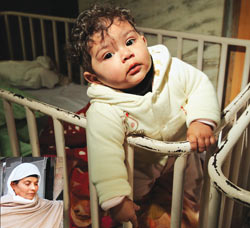
In spite of meagre earnings, a school teacher, Jascinth, has started an orphange for 15 children in the little-known town of Palayamkottai. The idea was founded when one of her students lost her parents and Jascinth decided to care for her. Seeing this, some other orphans requested Jascinth to help them out and thus was born an orphanage for all these children .

V Krithiga writes in this article at newindpress.com:

In a world where human compassion is fast becoming a rare commodity, here a school teacher in Palayamkottai is nurturing 14 orphan and semi-orphan (either father or mother dead) girls for the last two years with her meager earnings.

Jascinth spreads around Rs. 500 on the welfare of these girls. This is in spite of her having the job of a school teacher which doesn’t provide for a luxurious pay package. For us, the inspirational part, and more importantly, the learning, is that you don’t need to wait for that million dollar package to start providing for the lesser privileged. Simple acts of compassion, done one step at a time, can do wonders to our soceity. Hats off to Jascinth for her act of helping these children!

Read the complete article here.
Image courtesy: newindpress.com
Credit: Link to this article was provided by Sunil Vijendra. Thanks!

Narmada Panchayat Officials Contribute to Educate Orphans

Shubhlakshmi Shukla writes this article titled ‘Narmada panchayat officials don role of orphans’ parent’ in the Indian Express.

In this article, she states that over 100 officials working at the Narmada District Panchayat office have decided to contribute towards the education of 175 orphans in that area. This project is termed as Shanta Sukhai which translates to Self Satisfaction.

Excerpts:

From Monday onwards, all the orphans will be admitted to the district’s 13 grant-in-aid schools. The district office will provide them with the stationary. At present, around Rs 1.75 lakh are collected by the district Panchayat officials.

District Development Officer (DDO) B C Chaudhary said: “Of the 175 children, mostly are in the age group of five to six years and a few are teenagers. One girl, Gita Gadhvi, will be admitted to the first-year BA course. We might also widen the project by providing financial help to the girls for their marriage after they complete their education.”

Read the complete article here.

Calendar

March 2010
M T W T F S S
« Feb    
1234567
891011121314
15161718192021
22232425262728
293031  

PROMOTION

"Neumonia and Other Sketch Stories" - A collection of sketch stories. Download the e-book for free. Click on the book cover below.
"The observations are acute: the sound of high heels on asphalt, the bit about how all BPO employees lose their hair very fast are spot-on. This book is a better, shorter alternative to any Sunday movie on TV. It's a little jewel" - Hindustan Times