Pravah: Inspiring Youth Citizenship

Pravah, an organisation based in Delhi works with young people to impact issues of social justice through youth citizenship action . Pravah believes that sustainable change emanates from individuals. “Change them or their orientation and the system will change.”

Pravah works with both adolescents as well as young adults, through two broad interventions, the School Programs and Youth Action.
In Youth Action they basically have 5 programs:
1. SMILE – which stands for Students Mobilisation Initiative for Learning Through Exposure. The aim of this program is to involve the youth in activities which helps them belong to their background and take more responsibility in whatever they do.

2. Youth For Development – is a partnership between Pravah and Voluntary Service Overseas ( VSO) . In YfD , the individual gets to work in a rural area for six months . Also, there is a 2 week training schedule before the commencement and constant mentoring.

3. Global Xchange – is a 6 month long international volunteering exchange programme in collaboration with VSO and British Council.

4. Change Looms – is a leadership and Organisational development programme that supports , encourages young independent projects or organisations working for social change .

5. Campus Catalysts- is for campus based initiatives for the youth involved in social action on or outside their campuses. The aim of the program is to mobilise social action on campuses.

School Programs are :

1. From Me To We – is focussed on inspiring adolescents to take up active leadership in areas of social change. In this , learning and life skills programs are conducted in cooperation with schools under FMTW. Theatre, games, simulation exercises, stories, case studies are a core component of the curriculum. FMTW currently reaches out to 3500 students in over 30 schools mainly in and around Delhi, Rajasthan, Gujarat and Karnataka.

2. Fun Camps – for kids between 13 and 17 , these are 6 day trips to villages, for teachers and various theme based fun trips.

3. Teacher’s Training – Pravah trains teachers for one year to design and conduct life skills program. Educator’s Collective is a network of school teachers, educators working for social transformation.

4. CLAP- Citizen Learning and Action Program is for adolescents between 13 and 17 who feel strongly about a cause. CLAP helps you to take that forward, and develops leadership skills in making social change. CLAP partners with Sanskriti School and Ford Foundation.

Also, they have started the Pravah Jaipur Initiative supported by Sir Ratan Tata Trust. The centre will create knowledge bank for various programmes by offering media fellowships for youth development, workshops, seminars and volunteering placements.

Films With Wings is a collaborative initiative of Pravah and Interactive Resource Centre, a non profit in Pakistan. Founded on the principle that films are a powerful medium in bridging various divides, FWW is an effort which provides a dynamic platform for young minds of both nations to engage, co- create , challenge and capture a variety of experiences and expressions through a serious of Intensive dialogues , workshops between youth of both nations followed by a Film festival.

Website : http://pravah.org

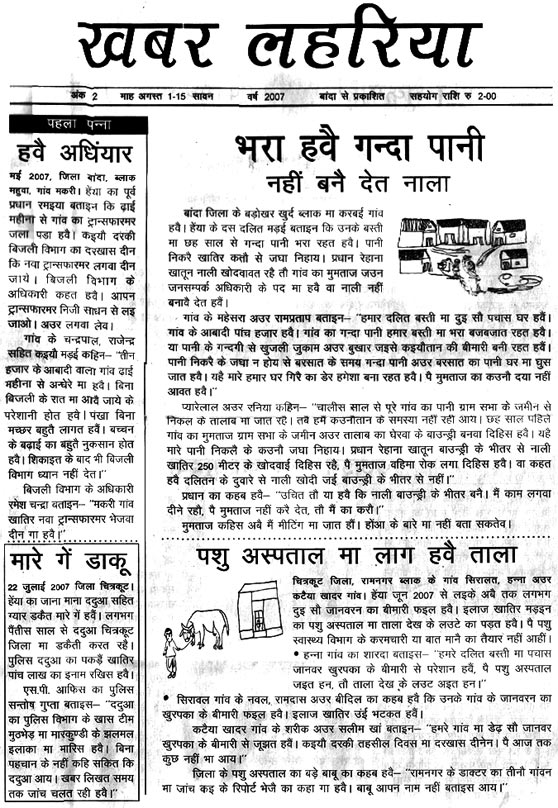
Khabar Lahariya – A Weekly Newspaper in Bundeli

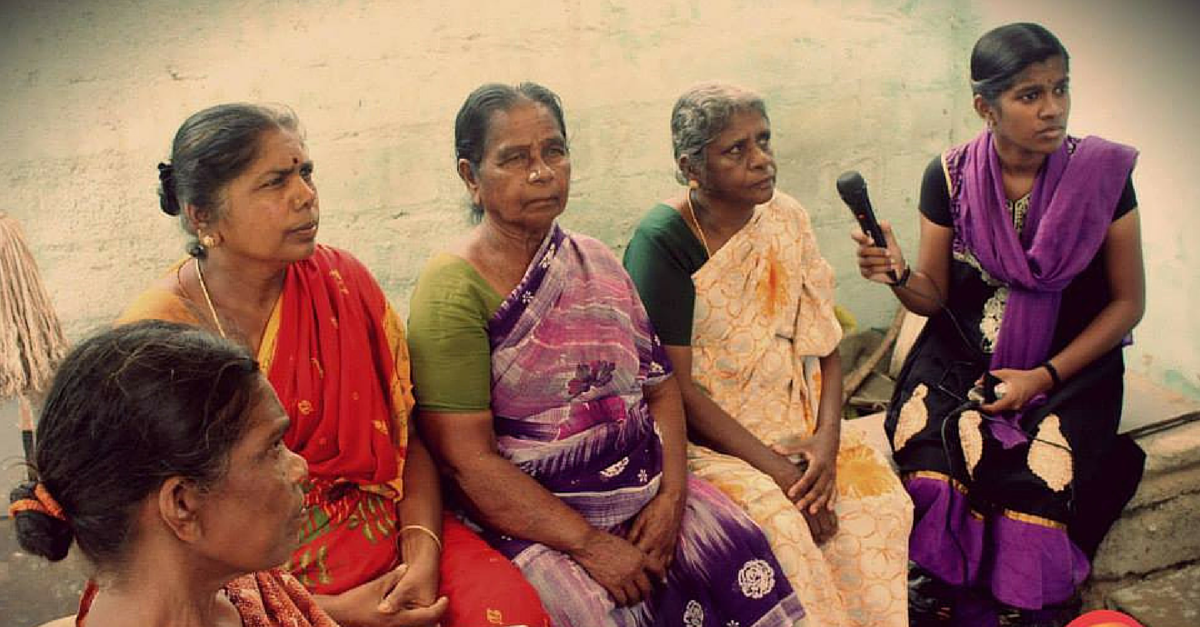
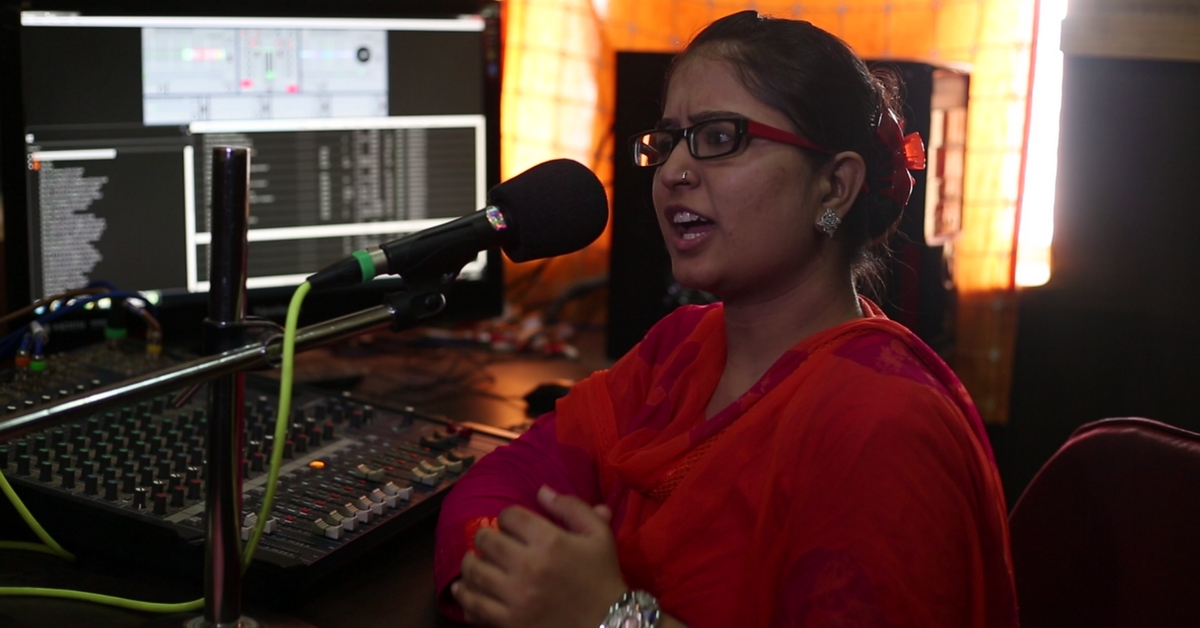
Khabar Lahariya a weekly newspaper in Bundeli (local dialect of Bundelkhand) is being run by a group of women from various sections of the society from the interiors of Chitrakoot and Banda in Uttar Pradesh. Their main objective is to reach out to the nearby villages and provide them with ‘infotainment’.

Despite having a limited exposure to the literacy and information, their ability to interact with various people in public sphere and coming up with innovative ideas is extremely remarkable. Their works have been acknowledged and credited by leading National Dailies including The New Indian Express, The Hindu, Hindustan Times, Tehelka and various other dailies and weekly’s.

In 2008, the Khabar Lahariya group registered themselves as an independent organization, Pahal. With the incredible support from Nirantar, which is an acclaimed centre for gender and education, Pahal has now found its place in rural women’s media collectives of our country.

Khabar Lahariya carries out news that is of primary importance to the masses in and around these areas. Although they do have sections regarding current affairs, national and international news, they strongly highlight the cases of violence against women, issues on Dalits and more. This 8-page newsletter also covers issues on institutions like schools, marriage, health care and more.

Although these journalists do not come from strong literary background, they do ensure the quality does not receive a set back. Significant efforts have been made in order to improve their technical skills, their reporting and writing skills and more. Apart from the above, they also encourage public interactions and gather inputs to cater to the specific needs of the women. Meanwhile, frequent workshops are also being conducted by these women to encourage more writers and volunteers to have an in hand practical experience of running a newspaper.

Depending on the need of the hour, they hold meetings at their editorial office to divide their beats and after enormous research and writing they go all the way to the nearest city Allahabad for printing.

Click on the image below to read an issue of Khabhar Lahariya:
khabar_lahariya1

These phenomenal revolutionaries, who have gone beyond their capacity to go on fields, have received the prestigious Chameli Devi Jain Award for Outstanding Woman Mediaperson. Also, three members of the group have received fellowships from the Dalit Foundation in 2004, for reporting on issues related to rights of the Dalit community.

Overwhelming technological cloud has also been bestowed upon the offices of KL as they now work on computers with broadband connections. The challenge of consistently making an outstanding appearance in the face of media and having an unbiased opinion regarding the political scenario of our country comes very easily to them. They aren’t restricted in writing what their leaders want them to write. They write information regarding subjects that pertain to them. Hats off to the women behind this initiative, they have managed to achieve what many of us with enough resources have been unable to do!

Read more details about Khabar Lahariya, including how the paper is produced, edited and distributed at Nirantar’s website: NIRANTAR

This article written by guest reporter Jheel Parekh.
All images courtesy NIRANTAR.

Radio Bundelkhand – Giving Voice to the Voiceless

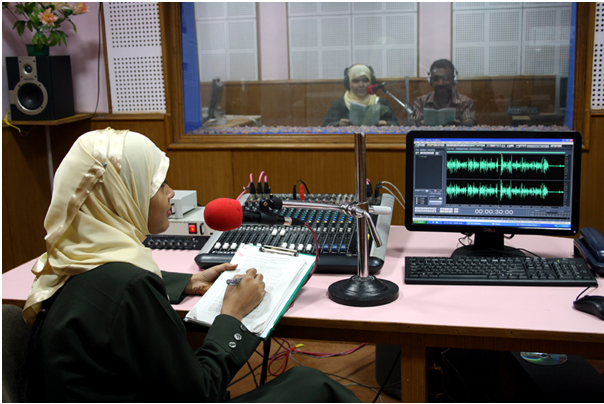
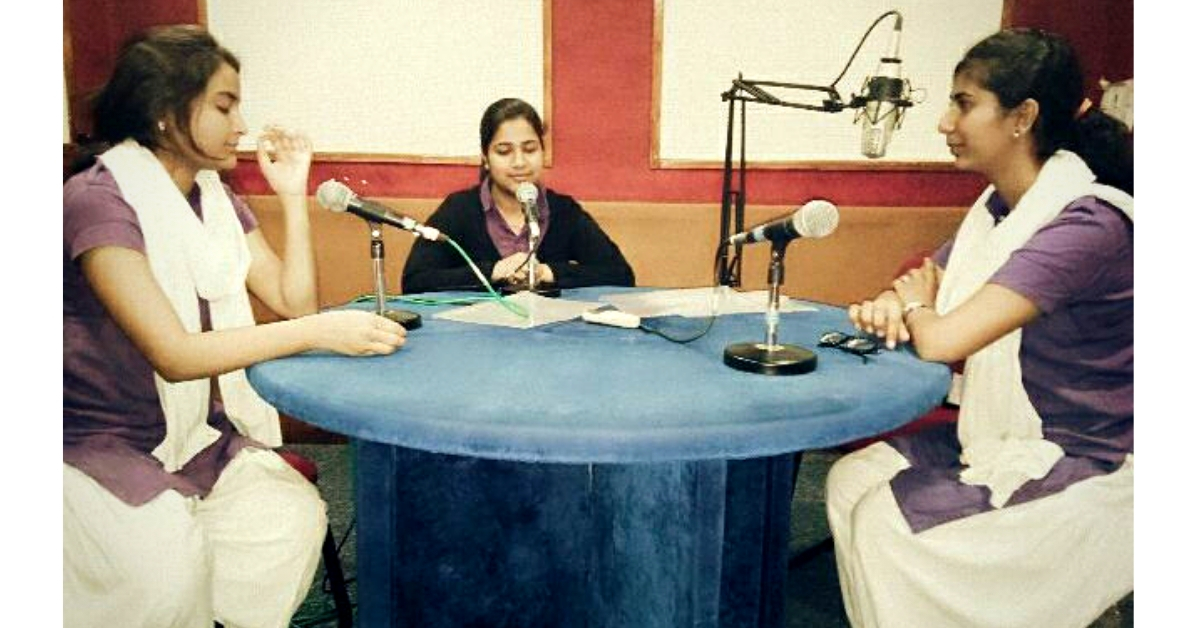
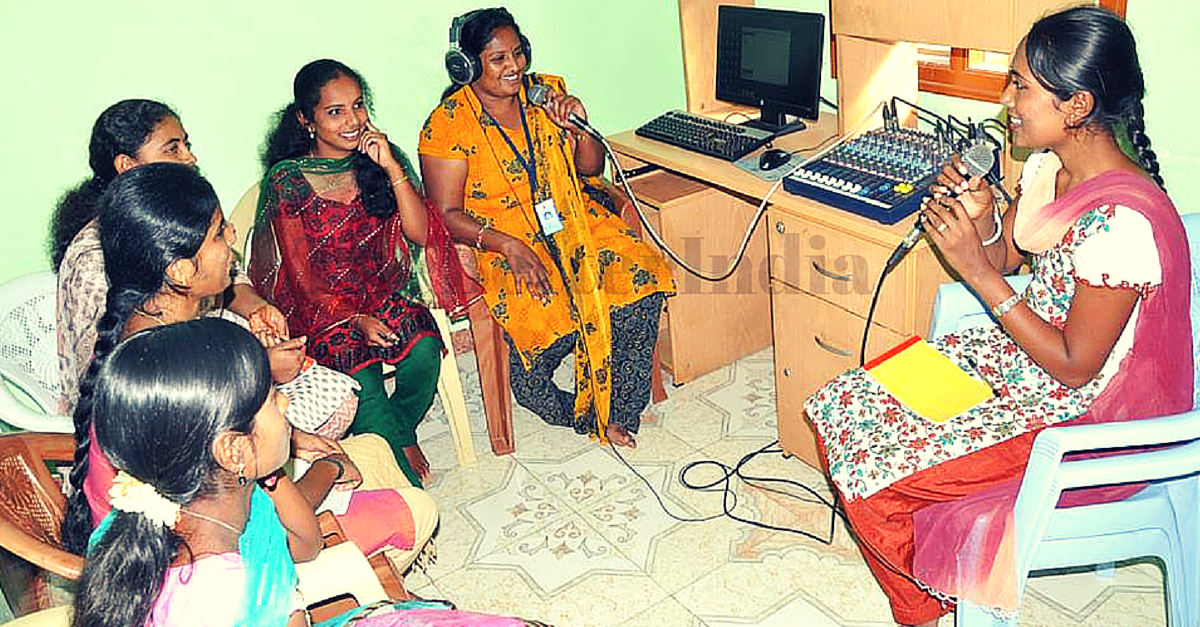
Azadpura is a village in Bundelkhand region. This area faces acute water scarcity and one problem that the women faced was a faulty well which required urgent repairing. The women aired this problem on Radio Bundelkhand and within four days the concerned authority replaced the missing wheel of the well. This is the power of Radio Bundelkhand, an initiative of Development Alternatives.

Community Radio for facilitating dialogue and interactive communication

The purpose of setting up Radio Bundelkhand, as identified with the help of our communities in the radius of the radio station, is to work along with them to use this communication medium to create awareness, give information, participate in local self governance and provide entertainment – all based on requests and feedback from the community. The audience includes the communities in the radius of the broadcast range – with special attention to women, youth and the marginalised groups.

 
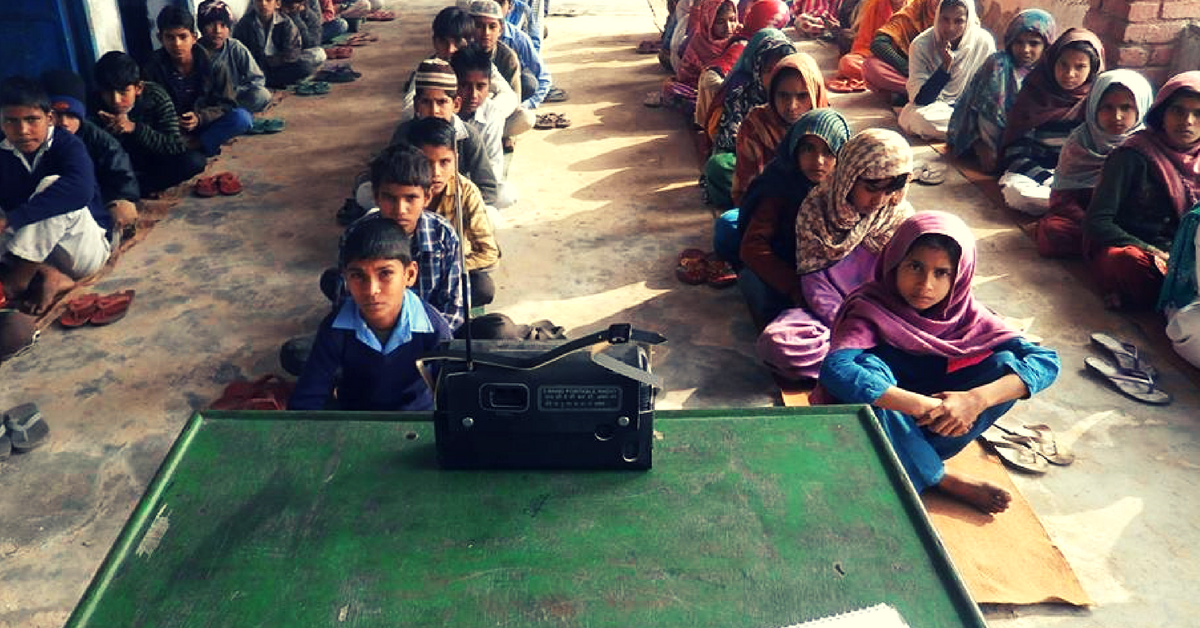
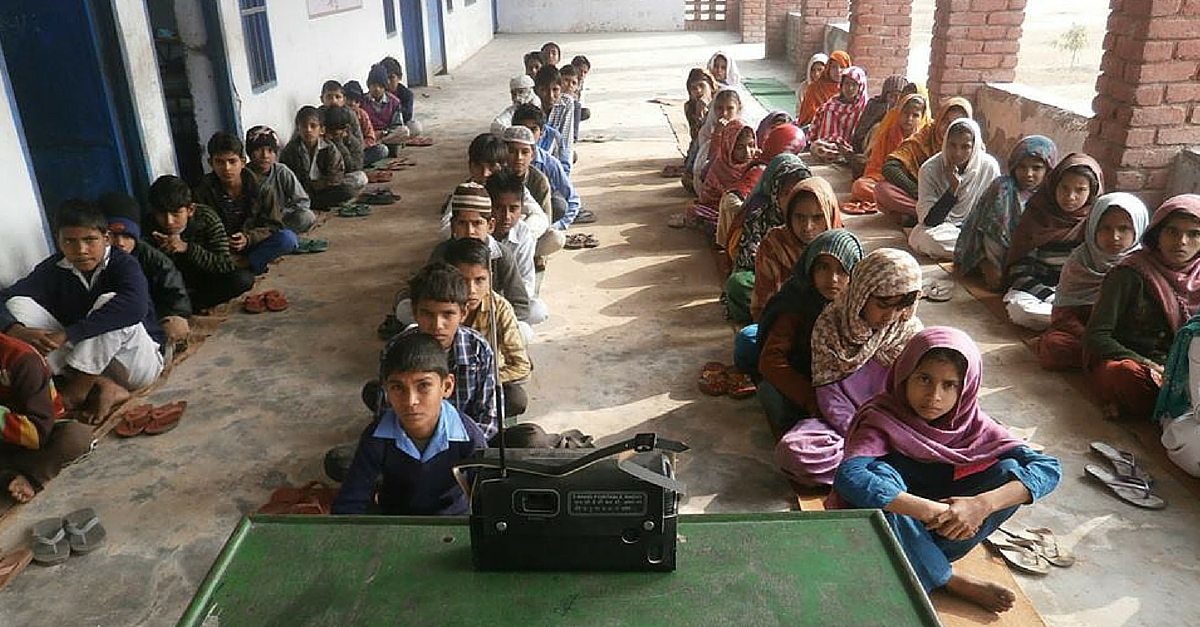
Listening to Radio Bundelkhand

Listening to Radio Bundelkhand

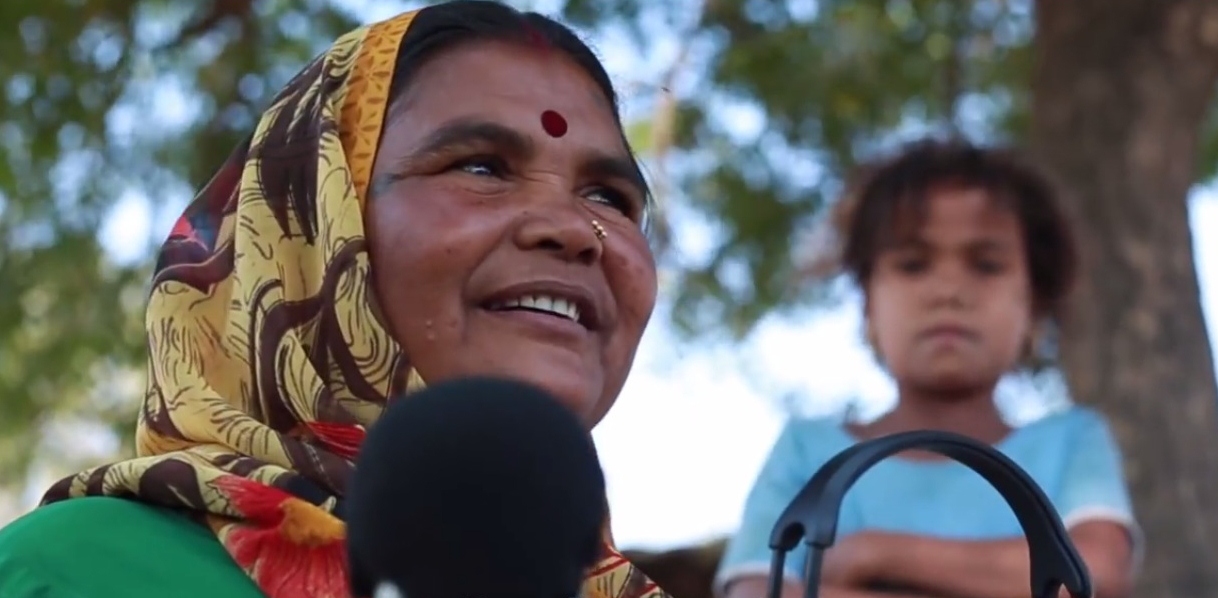
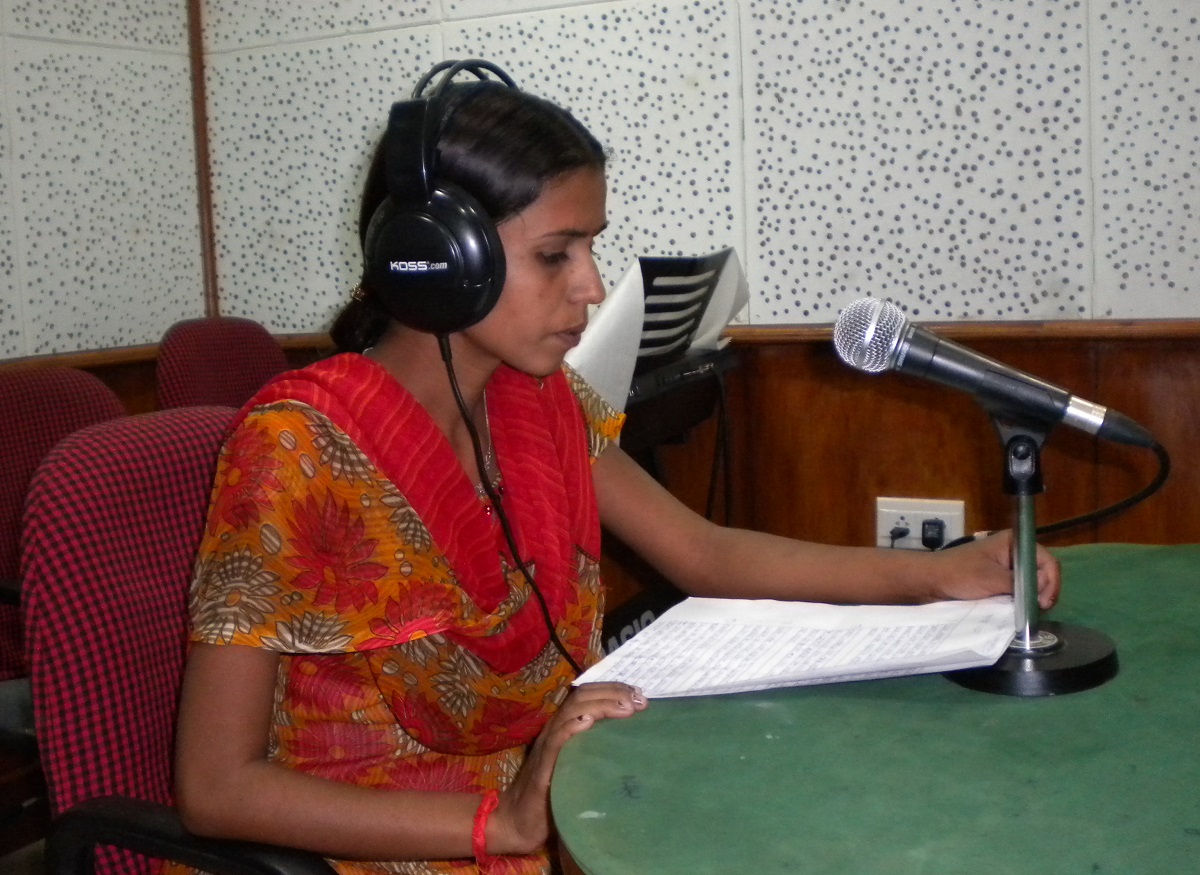
Community Members on the Radio

Community Members on the Radio


The community and DA, jointly manage the station. There are five community reporters and six community coordinators. The villages these reporters represent are Azadpura, Ramnagar, Sitapur, Basova, Bagan, Bhagwantpur, Ghatao, Jamuniya, Gujerra Kalan, Mathrapur and Ghatao. There is also a Management Committee comprising the Sarpanch (elected village-head) of Basova Village, doctors, farmers and Self Help Group members.

Until now, Radio Bundelkhand has the longest duration of programming of four hours a day, seven days a week, in Bundelkhandi and Hindi amongst the government licensed community radio stations in India. The Government of India has given licenses to several NGOs throughout India to start community radios in their project areas. DA is one of the first to set up such a radio with the communities it has been serving for more than two decades in the Bundelkhand region.

The communities have decided that they would like information related to employment and livelihood opportunities, development of women, girl’s education, legal rights, farmers’ issues, training, their culture and history, how to ensure the availability of basic infrastructure such as water, energy and roads, development issues, and any other information sought by the communities. The broadcast timings in the morning and evening have been selected by the communities, with the women preferring the morning and the men the evening.

Programming Content on Radio Bundelkhand
Vandana –Devotional songs broadcast every morning.
Khet Khaliyan – It includes the Jhansi Mandi (unorganized market) prices for farmers so that community gets all the information related to agricultural products. Bundelkhand Radio also
broadcasts discussions about agriculture issues like how to protect seeds, crops & vegetables
from insects. Experts answer question asked by the farmers.
Bal Bandhu – Especially for school-going children. Moral stories, poems and jokes by school
children are included. Story telling through the Radio Jockeys is also a part of this programme.
Bundelo harbolo ke- This is about the Freedom Fighters of Bundelkhand. Stories of the freedom fighters & songs related to freedom fighters are also broadcast.
Aas Paas – In this programme Bundelkhand Radio broadcasts information on Right to
Information (RTI) and any other problem.
Mere Bundeli Mere Geet – is a listener’s programme in which they get the opportunity to listen to their choice of songs.
Amma ke Chauki Se – In this programme community women give their ideas on home receipes and step by step instructions for preparing the dish.
Nuskhe Nani Dadi Ke – In this programme older woman give tips on using home remedies or
Desi nuskhe for common ailments and diseases. Also, give tips of using simple home remedies and alternative herbal medicine, available from the average kitchen shelf.
Radio Drama – On every Sunday Bundelkhand Radio broadcasts a radio drama. In this
programme reporters discuss an issue and convey the messages related to social issues like
dowry, female foeticide, importance of education etc.
Sathin – Sathin is a special programme for women. Women from the community tell their story. They discuss the struggle in their lives and success story too. These women also share their
feelings what they want or wish for themselves.
Chhotou Kam Badou Munafou – This programme is for those people who want to do small business. Small entrepreneurs give tips to take up small business.

The programming, based on issues and content identified by the communities, is broadcast in the formats which they have preferred, that include the use of traditional Bundelkhandi songs, folk music and nataks, discussions, reports, commodity prices, phone-ins, experts speak, coverage of events in villages, jokes and satire, listeners’ letters and feedback. The Wireless Operating License was issued on July 31st, 2008 and the first transmission took place on August 15 2008 with the broadcast of the national anthem. Meanwhile the selected community reporters were trained over three months and a woman from Sitapur village inaugurated the station on the eve of Diwali. Community radio broadcasting/narrowcasting has allowed the rural poor to develop their communication in a language they understand. Community radio fosters debate on issues, facilitates access to government, decision-making and helps community members to organise themselves and evolve to manage their own affairs. Radio Budelkhand is characterised by its signature tune and jingles which declare that it is “Apna Radio Apni Baatein” – Our radio Our conversations.
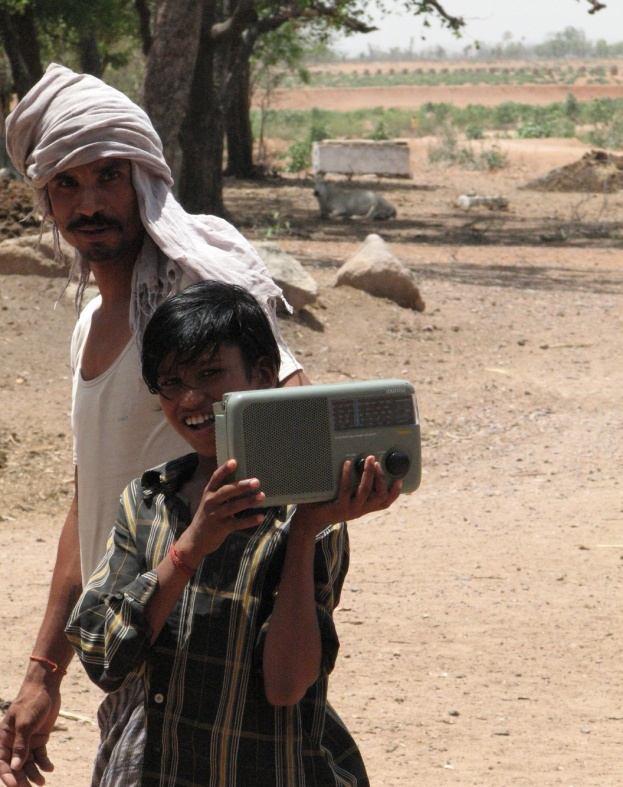

Reaching our communities

The reach of the community radio is in a wide range of approximately 5-10 kms and 25 villages with a population of 15000 in the coverage area that are benefiting through the infotainment-based programmes. So far, Radio Bundelkhand radio has penetrated to the rural communities settled in and around TARAgram Orchha like the villages of Gundrai, Chandravan, Bagan, Orchcha, Sitapur, Azadpura, Lachmanpura.

The targeted beneficiaries are the marginalised and poorest with special emphasis on women and the unemployed youth who are the most vulnerable but also the potential change-makers. By selecting women community reporters, marginalised community reporters in an average age group of 20 we hope to reach them better.
The Management Committee also has a woman self-help group head. DA aims to ensure the participation of local people for the programming, broadcast and management of the station by the community itself.

The above article was written by Indira Mansingh, Chief Advisor, Development Alternatives.

Thank you Purnima Gupta for sending this across!
Previous article of Development Alternatives – Click here.

Granthayan – Mobile Book Stores for Rural India

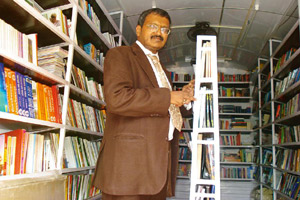
Urban India has it easy in terms of access to literature and good books. We have our malls and online book shops. However, it is not so easy for people in rural India to get access to vernacular literature. Majority of the rural population get access only to newspapers and textbooks. One man, Pankaj Kurulkar, aims to change this scene with his wonderful initiative – Granthayan.

Aruna Viswanatha reports about Granthayan in this article at The Mint:

An electrical engineer by training, 45-year-old Kurulkar ran a networking and hardware solutions company for 15 years, before he put Rs3 crore of his own into Granthayan, a chain of mobile bookstores that travels the length and breadth of Maharashtra selling mostly Marathi books. Kurulkar says he plans to later replicate his business model in other states, focusing on books in their regional languages. 

As one can easily imagine, the roadblocks and problems that such an initiative would face are significant:

Only 59% of India’s rural population can read, according to the 2001 census, and reading material itself is limited outside the cities. Local languages have also had to face the growing popularity of English. “The situation is pathetic. People are migrating from vernacular language to English medium, and not at all passionate about reading Marathi,” says Kurulkar, who writes novels and short stories as well.
“Rural areas don’t see anything other than newspapers and textbooks. So good, affordable reading material, which is simple, is the need for the day,” says Rukmini Banerji, a programme director at non-government organization Pratham, which prepares an annual report on the status of education measuring student literacy. “Nothing is easily available like you can go to the paan (betel) shop and get gutka.” Pratham’s publishing arm, Pratham Books, which prints cheap children’s books, also has plans to enter the rural retail market next month, according to managing trustee Ashok Kamath. 

Kurulkar, however, is confident that this initiative of his will make an impact on the current scenario. His progress so far has been very impressive:

To date, Kurulkar says, his trucks have visited 28 out of the 35 districts in Maharashtra, and covered 80% of the state. The trucks follow pre-set routes—up and down the Mumbai-Goa highway for instance—and stay in a neighbourhood from a few days up to a week, depending on the amount of local business. Each truck has a staff of three, with a driver, an accountant and a helper on board.
According to Kurulkar, Granthayan has sold around 100,000 titles in the first three months of operation, and stocks both Marathi and English titles, though, he says, 75% of the company’s stock and sales are in Marathi. 

To know more about what are the bestsellers in the rural areas and what are the other problems faced by Granthayan, please do read the entire article here.

Image courtesy: Mint

All they hear is Radio Ga Ga

The stage: A large hall in Takhel, a remote village about 15KM from Imphal, the capital of Manipur – a small state in North-Eastern India


The actors: A young woman of 27 years by the name of Arambam Romita and an educated farmer Keisham Biren, both news readers for an unassuming news channel


The props: A crude loudspeaker, a PA system, a long wooden bench by the window which serves as a news desk


The scene: The young lady is trying to fix the microphone to its stand, as it had been borrowed the previous day for a farmer’s meering.


This is the setup of the tiny Paothang Channel, the sole people’s broadcast initiative in Manipur. At present, it serves as the trusted news source for many of Takhel’s 5000 residents.


This informative article from Kangla Online, written by Thingnam Anjulika Samom, tells the interesting story of Paothang (meaning ‘news relay’ in the local dialect of Meiteilon) Channel and the people behind its creation.


“It is basically our own interest – not profit – that guides us, otherwise we’d have stopped long ago,” Biren adds. The dilapidated hall is the station’s third ‘studio’ – the first was in a hotel for about a year, then the second at his house for a brief while.


Here’s an example of the two newsreaders, Romita and Biren, presenting a daily news relay:


“Paothang Channel welcomes all its listeners. We are on air,” says Biren. “In this world full of differences of caste, colour, and creed, let’s not be divided by these artificial walls,” he adds.

And then he makes an announcement – the local Communist Party of India branch will be meeting the next day and all its members are asked to attend.

Romita takes over, speaking in a soft voice. There are many good stories today.
Twelve suspected militants were captured with arms in the official quarters of five MLAs. The signing of a memorandum by seven elected people’s representatives of Manipur – one to the Indian Parliament and six to the state legislative assembly – expressing their support for Naga integration. There are more than 20 insurgent groups operating in Manipur, waging an armed struggle against the government of India, mostly for the right to self-determination…


In an isolated village with hardly any disposable income as well as need/ intention to spend on newspapers or TVs and radios, this project created by the local member of the zila parishad Tensubam Ratan, allows the village folk to keep abreast of current affairs in the vast country that they are a part of, however far removed they might be.


It is also good to know that this is not a lone star. There are similar community media initiatives being undertaken in other parts of the country.


According to Sevanti Ninan, journalist, author, columnist and media critic, “such an initiative is actually the forerunner of local community radio, which has recently been permitted by the Indian government. It offers news that the local community needs for its day to day functioning, also news that connects it to the rest of the country and state.”

“The way Romita and Biren respond to a local need is similar to what communities are doing in other parts of the country. In Kurnool and Medak districts of Andhra Pradesh, in Daltnganj in Bihar, in Karnataka and in the Rann of Kutch. They all write their news using conventional news sources, and then find ways to transmit it to their community.

“In some places they record a bulletin and pay the state-run All India Radio’s (AIR) local station to transmit it. In other places they record a relevant local discussion on a tape recorder and move around villages playing it back.


This is indeed a laudable enterprise, and we hope that many will be influenced by the willingness and good intentions of the few who are taking on such responsibilities and bringing about change and progress in entire communities.


Link Credit: Vinay Sreenivasa via Ashwini Bharadwaj

Calendar

September 2010
M T W T F S S
« Aug    
 12345
6789101112
13141516171819
20212223242526
27282930  

Recent Comments

PROMOTION

"Neumonia and Other Sketch Stories" - A collection of sketch stories. Download the e-book for free. Click on the book cover below.
"The observations are acute: the sound of high heels on asphalt, the bit about how all BPO employees lose their hair very fast are spot-on. This book is a better, shorter alternative to any Sunday movie on TV. It's a little jewel" - Hindustan Times