Conserve India: Using Fashion Against Poverty


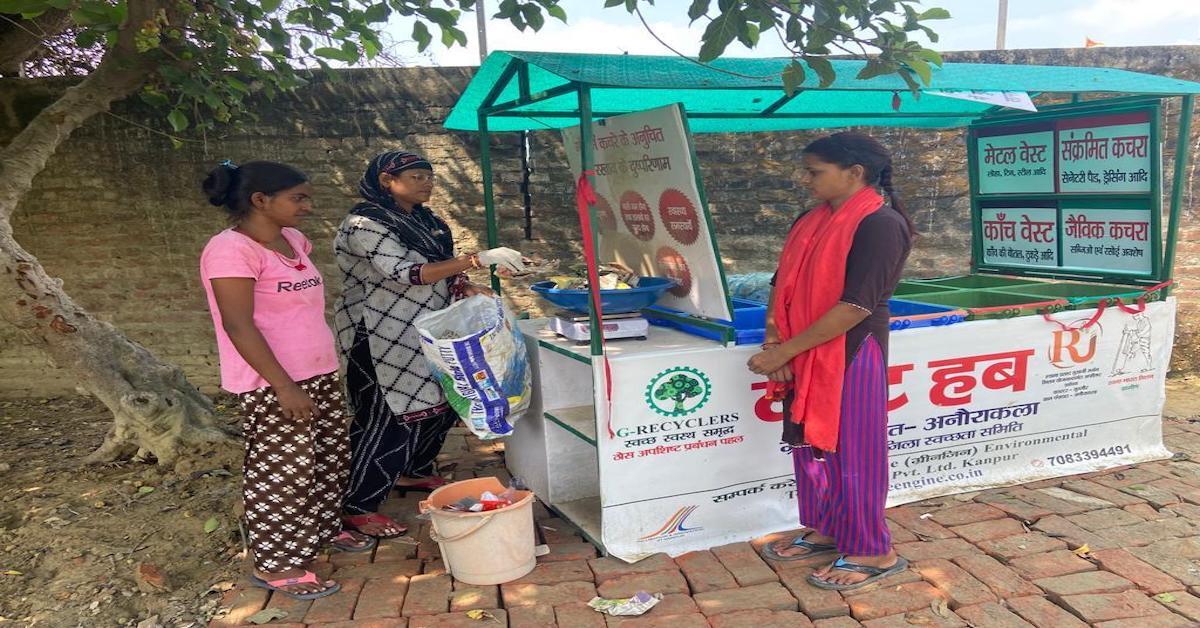
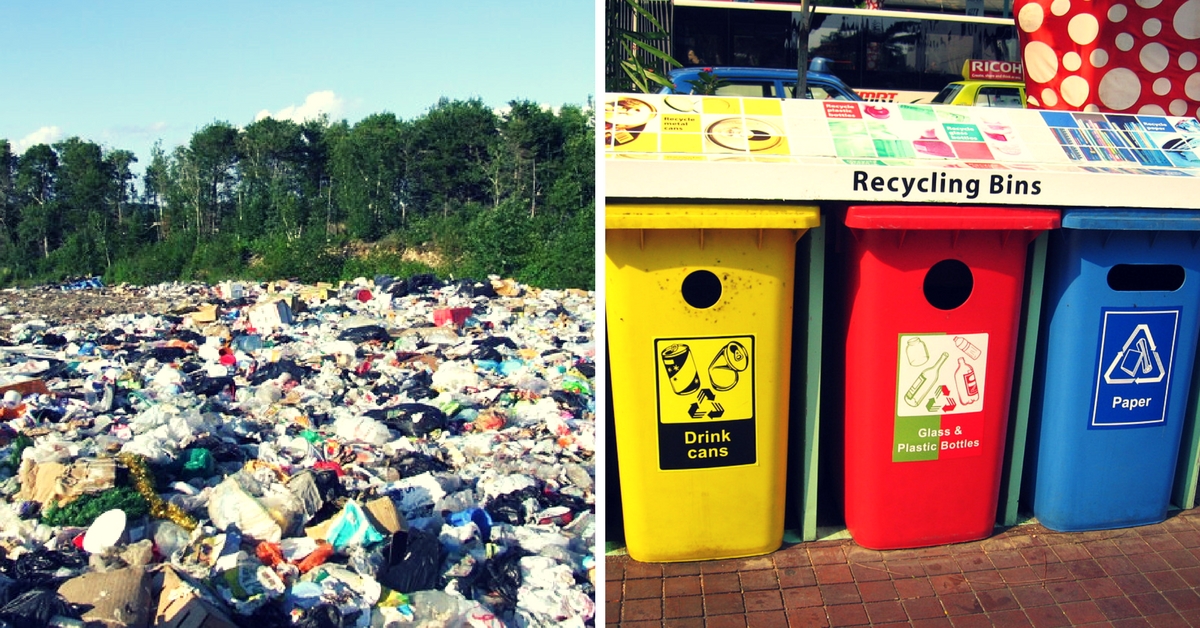
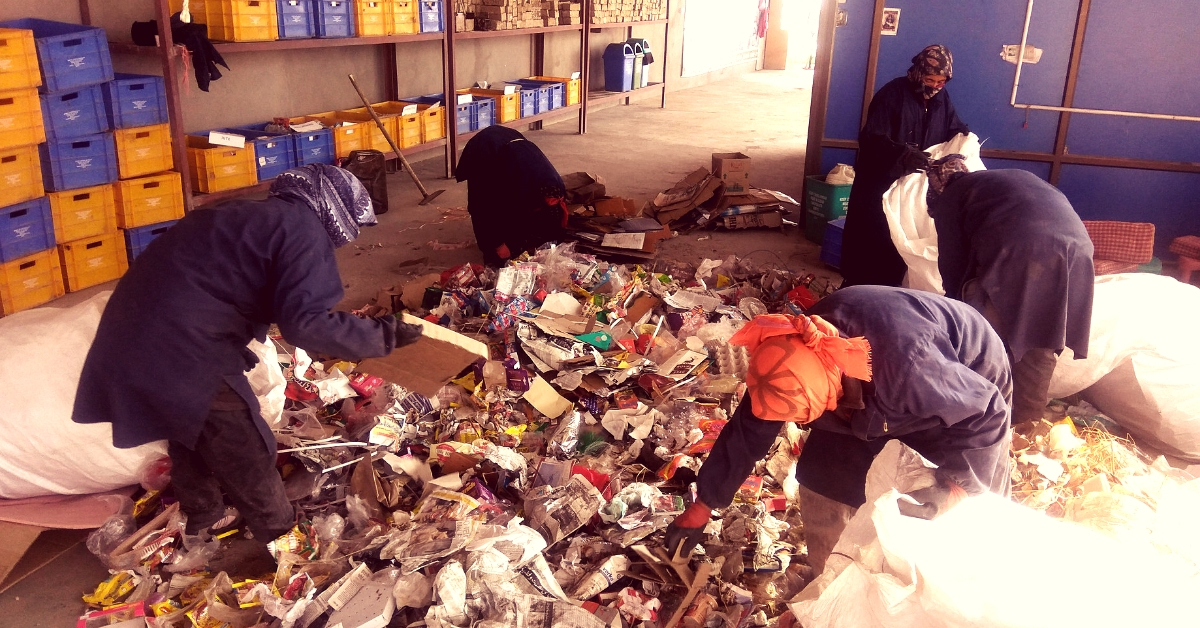
Urban India is glaring at a huge waste management problem with no clear policy examining waste as a part of the production-consumption-recovery cycle.  In India, over a million people find employment in rag picking and recycling of waste; and this is an unorganized sector.

Most of the rag-pickers are poor, illiterate and belong to rural immigrant families. Many commence their profession at the young age of five to eight years. Most of them have never attended any school. While collecting rags they are subjected to chemical poisons and infections. Due to malnutrition, they suffer from stunted growth and anemia. These rag pickers have been weaned out of our social fabric and as begging is being abolished more and more beggars are becoming a part of this scavenging community.

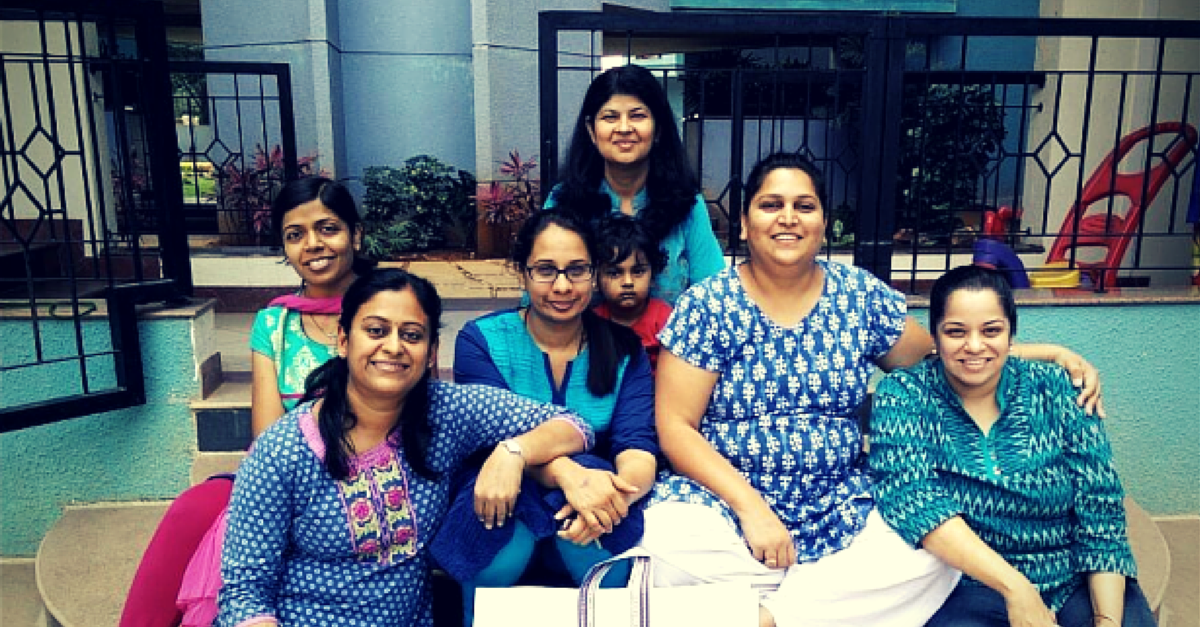
Conserve  India, an organisation in Delhi founded by Anita and Shalabh Ahuja  was born of a desire to reduce India’s mountain of waste. Their team, after a lot of research, struck upon the idea of Upcycling by washing, drying and pressing plastic bags into sheets.

Handmade Recycled Plastic (HRP) is  made from  polythene bags picked from Delhi’s streets, rubber from old truck tyres’ inner tubes, old denims and saris. The processes used to make ‘Conserve’ bags and accessories have been specifically developed to be as energy efficient as possible and to keep out polluting dyes and chemicals.  This not only helps the environment, it also cuts costs, giving the organisation more money to invest in other social projects.

Santosh Kumar started collecting plastic bags for Conserve India as he could earn three times as much by selling plastic bags to be made into HRP instead of selling the garbage elsewhere.

Ragpickers enjoy working for Conserve as it directly implies that they, perhaps for the first time in their lives, will have enough to feed their families and rent homes that they can be proud of. On an average, a conserve ragpicker earns around $70 a month compared to a ragpicker who earns somewhere around $25.

The ragpicking community is unorganised; it is hard for them to protect their rights. By giving them ‘Conserve Employee Cards’, Conserve India helps them have a voice in the society. Conserve India has also started a campaign called Recognition for Ragpickers. As part of this, the organisation is trying to persuade the Delhi government to create an official register so as to recognize Delhi’s 150,000 ragpickers and give them their right to a fair wage.

Conserve also offers training to its workers so they can do better jobs in their organisation. Conserve supports schools in slums where many of its employees live. With an initial funding from Asian Development Bank, Conserve is now starting two new projects for tracking the general welfare of its workers and providing health clinics for those who have no access to healthcare.

In collaboration with top designers, Conserve India makes high-end fashion items like handbags, wallets, shoes and belts from the handmade recycled plastic.

Conserve India has collaborated with Fair Trade for marketing its products, which are available in stores across US, Japan, Europe . Their products can also be bought online through the Conserveshop.

By buying Conserve’s products one not only gets to be a trend setter in fashion, but also gets to help some of India’s poorest people and its environment.

For more information visit their website http://conserveindia.org. Infact if you want do something about the waste clogging the streets of your city, you can set up your own Conserve and be the change that you want to see in the society. Mail Conserve India at info@conserveindia.org or call on +91 11 43095301.

New! Jobs Listings featuring internships, volunteering opportunities & more. Click here.

Daily Dump – Easy and Effective Waste Management
One question that you would perhaps like to answer is “How do I reduce my contribution to the city’s garbage system without altering my lifestyle too much?” Well, let Daily Dump answer that for you.
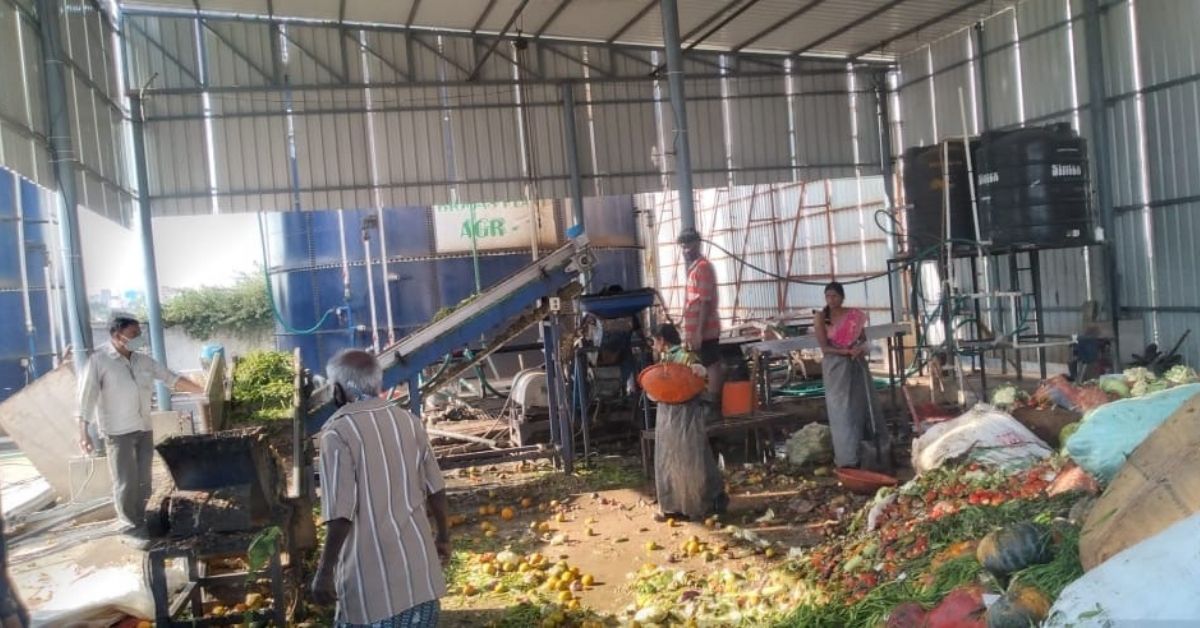
Daily Dump provides a commercial compost ‘pit’ that you can have at your home. All your leftovers and other organic waste can be dumped into these pits. Within a few months this becomes manure and you can use it for your garden or just sell it off to a needy farmer maybe.

Early Days

Daily Dump, the brain child of Ms Poonam Bir Kasturi, evolved from the question – How can design make a difference? Poonam graduated in Product Design in 1985 from the National Institute of Design. She worked in a small scale manufacturing company after college and then set up a craft based design company called Industree with two other partners. She quit after 5 years and set up Playnspeak, a proprietorship concern, to make products for the home. At the same time Poonam also was the founding faculty of Srishti School of Art, Design and Technology in Bangalore which she in May 2008 to start Daily Dump.

So, what exactly is Daily Dump?

In simple words, this product allows every homeowner to reduce their contribution to city waste. In India, no commerical home composter was available till the Daily Dump product was launched.
It is designed for a single family as the “customer”. It is supported by a service backup and customer support. It actually helps families convert their wet waste into eco-friendly compost. The knowledge base is open-source to encourage micro-enterprises.

How to start Daily Dump-ing?
1. Order a Daily Dump composting product from the address given below.
2. Install it in your home
3. Start putting all your organic waste in this compost pot.
4. Rejoice in having reduced the burden on your city’s waste management system!

The Product and its elements

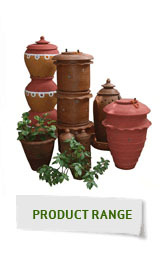
Daily Dump has designed a product with which anyone can convert kitchen waste into compost at home. The product, made of terra-cotta, is sourced from village potters. It is marketed through word-of-mouth referrals, media awareness, and their website. It is sold through channels including individuals, retail stores, and societies. The designs are ‘open source’, so individuals in other locations can replicate, adapt, build on, sell and use – for wide and rapid propagation of the idea.

The current product works well in independent homes; and they are working on a ‘mechanical composter’ for use in flats. Daily Dump’s vision is to see a composter pre-fitted in every flat sold in the country, as a standard fitting. Daily Dump not only retro fits composters at homes and other establishments but also provides maintenance advice and assistance through its service plans, essentially allowing you to just dump and letting nature and Daily Dump do the rest.

Product Range

This product, in addition to reducing waste, serves as a way to get over the social stigma attached to waste in our country. Without being preachy it makes the job of taking care of your waste “doable” and “possible”.

The potters who make the terra cotta pots have benefited significantly – their profitability has increased since they started making these products.

The Team

The current Daily Dump team comprises of:
Poonam Bir Kasturi (Founder), Delara Damania (Designer), Savitha, Shwetha, Vinita, Trupti, Sudheer and Anupama

Current Challenges

The challenge faced by the team presently is to create sustainable revenue streams and make money out of all the research and design work that they have done. The team has also learnt a lot and is looking to partner with NGO’s now to make strategic connections to enable waste to be managed better all over the country. Daily Dump has a robust design and an easily replicable one, which can be adapted by most people all over India.

Looking forward, Daily Dump is in the process of prototyping a mechanical composter to be retrofitted into homes in India. For this, they are looking to work with builders and see if this product can then enter into every home as a standard fitting.
The Daily Dump team is constantly trying to figure out:

  • How to get builders to retrofit a composter in each balcony and utility?
  • How to design a new mechanical composter such that it follows the cradle to cradle philosophy and yet is cheap and fits into the informal manufacturing setup that dots the Indian urban landscape?

Recognition

Daily Dump has received the following awards & honors:

  • “Nominated for the INDEX awards 2007 – an international award to improve the quality of life
  • Awarded the Green Product of the Year by Anchor Better Interior Excellence Awards 2007
  • Made it to the final round of the TATA NEN Hottest Startups 2009.
  • Indira International Innovation’s ‘Star Entrepreneur of the Year Award’, 2009
  • Made it to the final round of the Sankalp Social Enterprise and Investment Forum Award 2009.
Contact and get your Daily Dump today!
Address: 2992, 12 A Main, HAL IInd Stage, Bangalore 560 008, INDIA
E-mail: dailydumpcompost@gmail.com
Phone: +91 80 41152288
Website: www.dailydump.org

Tsunami Survivors turn Waste Managers

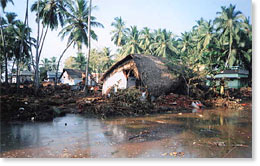
The Tsunami that wreaked havoc in Dec, 2004

The Tsunami that wreaked havoc in Dec, 2004

Everything that M Malar owned was washed away in December 2004. After eking out a bare subsistence for four years, this mother of three has finally been shown a ray of hope. She and 37 other Tsunami survivors like her can begin life afresh working as permanent staff members of “Green Friends” at the new vermin-compost yard set up at Sholinganallur by the town panchayat.

The yard has been set up with the help of an NGO Hand-In-Hand (HIH), which runs 19 yards in Kancheepuram district with the participation of the local bodies.

D Madhavan reports in this article in The Times of India:

Two years ago, Malar, originally a resident of Odaikuppam in Besant Nagar, was accommodated in one of the 6,700 quarters built by the Tamil Nadu Slum Clearance Board for tsunami survivors in Semmancherri.

But this was not enough for Malar. She had to feed her children and give them an education – she did several odd jobs, from working as a maid to hawking goods.

Two months ago, there came another turn in her life. She and 37 other tsunami survivors of Semmancheri were offered a permanent job by HIH in the new yard.

A self-help group was formed to help them sustain their livelihood. “It is a second life for me. Now I can ensure that my three children get a good education. I want to ensure at least one of them pursues medicine,” Malar told The Times of India.

The tsunami-survivors were given free training on all aspects of maintaining the yard. These women in turn will teach the residents about the need to segregate their waste into biodegradable and non-biodegradable parts. Initially, the “Green Friends” will receive monthly compensation, but after a year they will be in charge of sustaining the project.

Read the complete article here.

Image Courtesy: Inmotion Magazine, AREDS Team

Calendar

September 2010
M T W T F S S
« Aug    
 12345
6789101112
13141516171819
20212223242526
27282930  

Recent Comments

PROMOTION

"Neumonia and Other Sketch Stories" - A collection of sketch stories. Download the e-book for free. Click on the book cover below.
"The observations are acute: the sound of high heels on asphalt, the bit about how all BPO employees lose their hair very fast are spot-on. This book is a better, shorter alternative to any Sunday movie on TV. It's a little jewel" - Hindustan Times