BPOs Reach Rural India

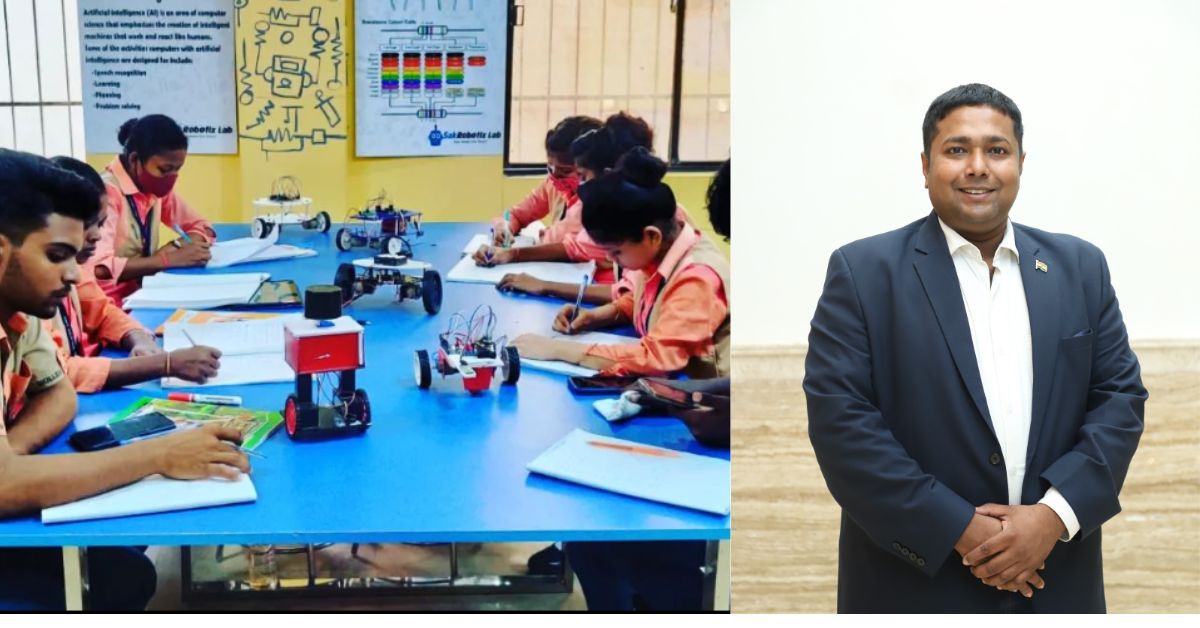
an_indian_call_centerA lot has been said of BPOs. They have changed people’s lives and brought a modicum of hope to the lesser privileged sections of society that was denied for so long. However, till now the story was mostly restricted to urban India. Thanks to the efforts of a few like an enterprising District Collector in Tamil Nadu, Santhosh Babu and an economics graduate straight out of a US college, Kartik Raman, rural India now has an opportunity to be included in the BPO boom, and avail of alternative and better sources of income than what they could eke out from their meagre resources.

Kartik, along with 2 others, started a rural BPO in Bagad village in Jhunjhunu district if Rajasthan with 10 women, many out of class X and some graduates. A year later, the BPO called Source of Change boasts of 30 more employees earning between Rs.3500 and Rs.7000. Kartik plans to expand to more towns, recruiting about 1000 employees by 2012.

When Santhosh Babu decided to open a BPO for his collectorate, he recruited and trained villagers who had failed class X. The first BPO was of 100 seats capacity and was started with a loan of Rs.20 lakhs from the District Rural Development Agency. Its biggest client today is the US All State Insurance. Sreelatha Menon reports in Business Standard:

The most important gain of the BPO experiment in Tamil Nadu is that it recruits mostly people in villages who have failed Class X as well as graduates and pays both equal salaries of up to Rs 5,000.

After the tremendous success of the BPO experiment, Babu has been made the Managing Director of Electronics Corporation of Tamil Nadu (Elcot) to expand his operations to all 30 districts. Elcot has started a rural finishing scool where 7000 dropouts have already been trained, and plans to tender applications for franchises in every village. Every franchisee has to profitable and uncompromising on quality. The model is already serving as an inspiration for other states to embark on a similar development path.

We wish these dedicated few all the success in their endeavours and hope many more will join their ranks in improving the lot of all the far flung villages in India.

Read the rest of the story here.
Image Courtesy: Wikipedia

Granthayan – Mobile Book Stores for Rural India

Urban India has it easy in terms of access to literature and good books. We have our malls and online book shops. However, it is not so easy for people in rural India to get access to vernacular literature. Majority of the rural population get access only to newspapers and textbooks. One man, Pankaj Kurulkar, aims to change this scene with his wonderful initiative – Granthayan.

Aruna Viswanatha reports about Granthayan in this article at The Mint:

An electrical engineer by training, 45-year-old Kurulkar ran a networking and hardware solutions company for 15 years, before he put Rs3 crore of his own into Granthayan, a chain of mobile bookstores that travels the length and breadth of Maharashtra selling mostly Marathi books. Kurulkar says he plans to later replicate his business model in other states, focusing on books in their regional languages. 

As one can easily imagine, the roadblocks and problems that such an initiative would face are significant:

Only 59% of India’s rural population can read, according to the 2001 census, and reading material itself is limited outside the cities. Local languages have also had to face the growing popularity of English. “The situation is pathetic. People are migrating from vernacular language to English medium, and not at all passionate about reading Marathi,” says Kurulkar, who writes novels and short stories as well.
“Rural areas don’t see anything other than newspapers and textbooks. So good, affordable reading material, which is simple, is the need for the day,” says Rukmini Banerji, a programme director at non-government organization Pratham, which prepares an annual report on the status of education measuring student literacy. “Nothing is easily available like you can go to the paan (betel) shop and get gutka.” Pratham’s publishing arm, Pratham Books, which prints cheap children’s books, also has plans to enter the rural retail market next month, according to managing trustee Ashok Kamath. 

Kurulkar, however, is confident that this initiative of his will make an impact on the current scenario. His progress so far has been very impressive:

To date, Kurulkar says, his trucks have visited 28 out of the 35 districts in Maharashtra, and covered 80% of the state. The trucks follow pre-set routes—up and down the Mumbai-Goa highway for instance—and stay in a neighbourhood from a few days up to a week, depending on the amount of local business. Each truck has a staff of three, with a driver, an accountant and a helper on board.
According to Kurulkar, Granthayan has sold around 100,000 titles in the first three months of operation, and stocks both Marathi and English titles, though, he says, 75% of the company’s stock and sales are in Marathi. 

To know more about what are the bestsellers in the rural areas and what are the other problems faced by Granthayan, please do read the entire article here.

Image courtesy: Mint

A Better Rat Trap – A Better Life

The Irulas are one of the lowest groups in the Hindu social order, found in Tamil Nadu. Many of them work as rat catchers in the farms of others, who pay them a small sum for each rat they catch. This being the chief occupation, the Irulas live in abject poverty.

Jerilyn Watson writes about this tribe and their ways of catching rats in this article:

The traditional way they catch rats is to light a fire in a clay pot. They blow air through a small hole in the bottom to send smoke into the underground spaces where rats live.

Then, for food, the catchers dig out the rats and any grain stored in their burrows. But often the rats escape, and the rat catchers get burned on their lips and hands. Many also suffer lung and heart disease from breathing the smoke.

Sethu Sethunarayanan, the director for the Development of Disadvantaged people in Chennai looked for a way to improve this technique, and dvised a new steel trap.

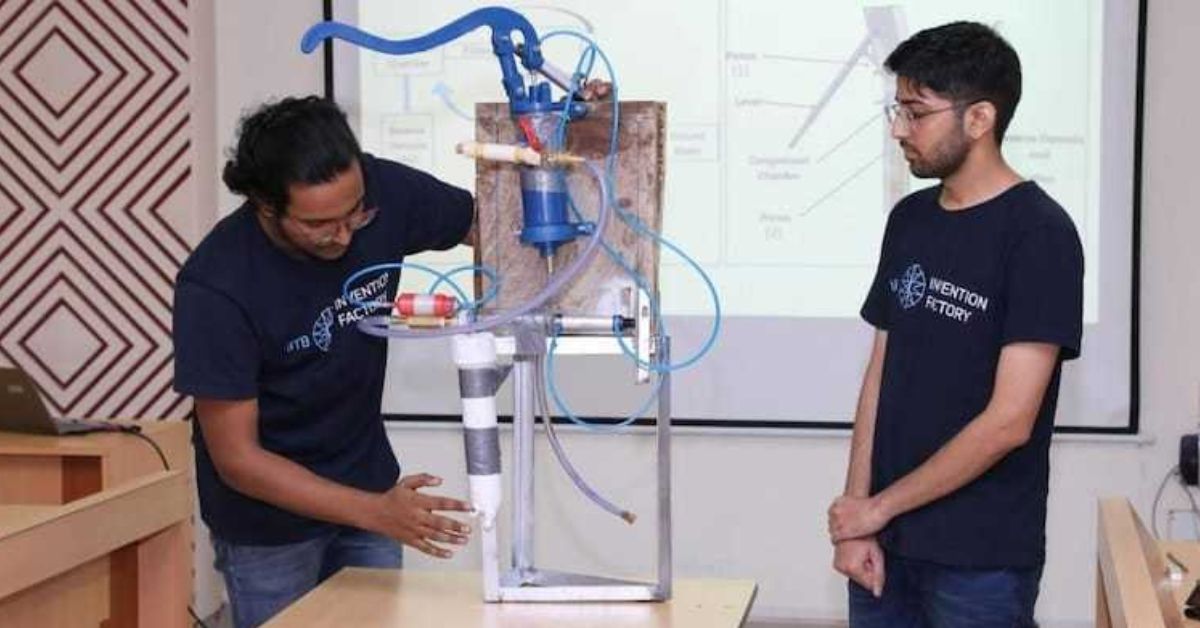
With the new trap, the rat catcher still forces smoke into the burrow. But the trap is attached to an air pump operated by hand. The catcher no longer needs to blow into the trap. And the pump has a wooden handle to prevent burns to the hands.

The Irulas asked for and received almost one hundred thousand dollars from the World Bank. They used the money to establish a factory to build the traps. It employs fifty women. The traps are sold for about twenty-five dollars each.

This small contraption has led to a dramatic improvement in the lives of the nearly three million Irulas. They’re earning more money, getting better health care, and more importantly, their children can now go to school instead of catching rats.

Calendar

September 2010
M T W T F S S
« Aug    
 12345
6789101112
13141516171819
20212223242526
27282930  

Recent Comments

PROMOTION

"Neumonia and Other Sketch Stories" - A collection of sketch stories. Download the e-book for free. Click on the book cover below.
"The observations are acute: the sound of high heels on asphalt, the bit about how all BPO employees lose their hair very fast are spot-on. This book is a better, shorter alternative to any Sunday movie on TV. It's a little jewel" - Hindustan Times