Transforming lives in the Shimla Hills

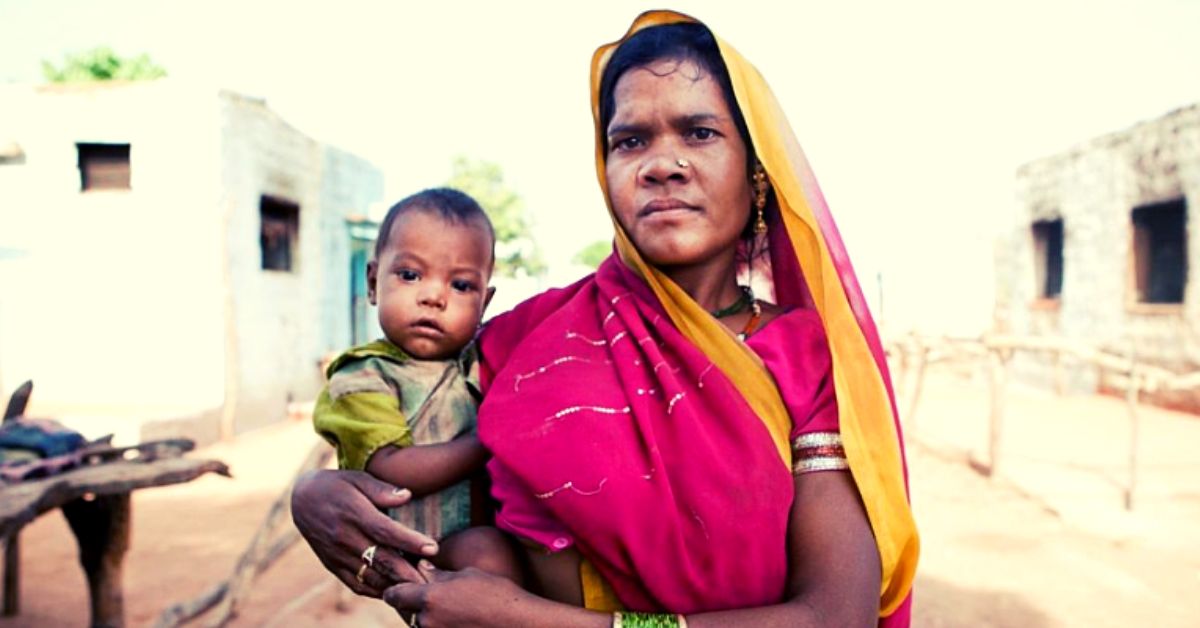
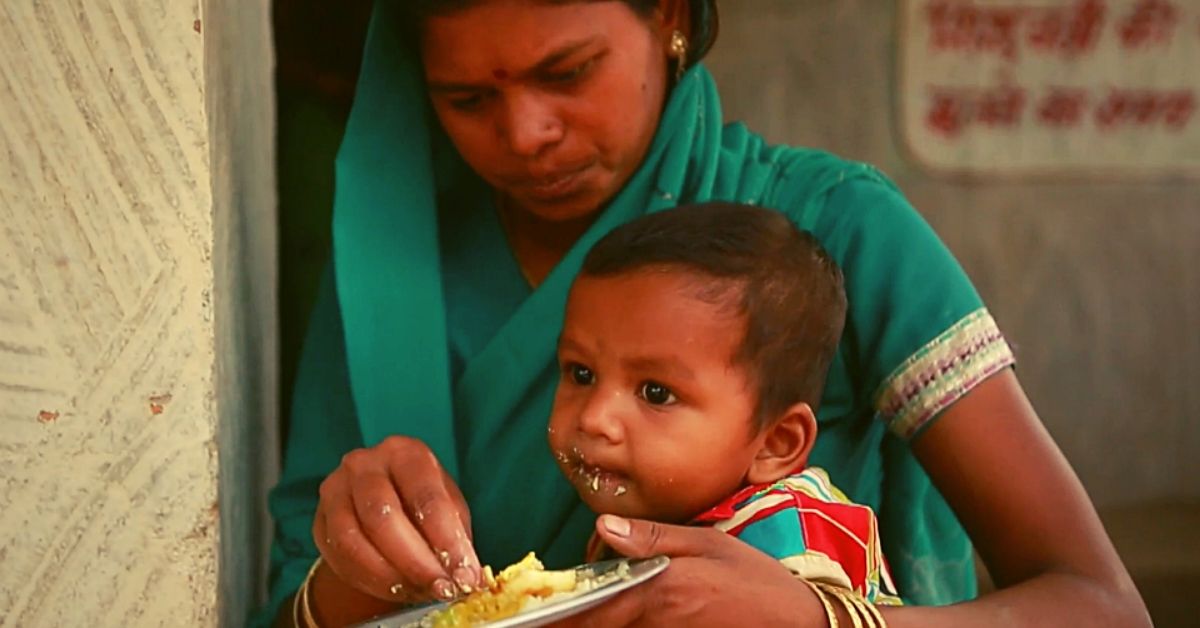
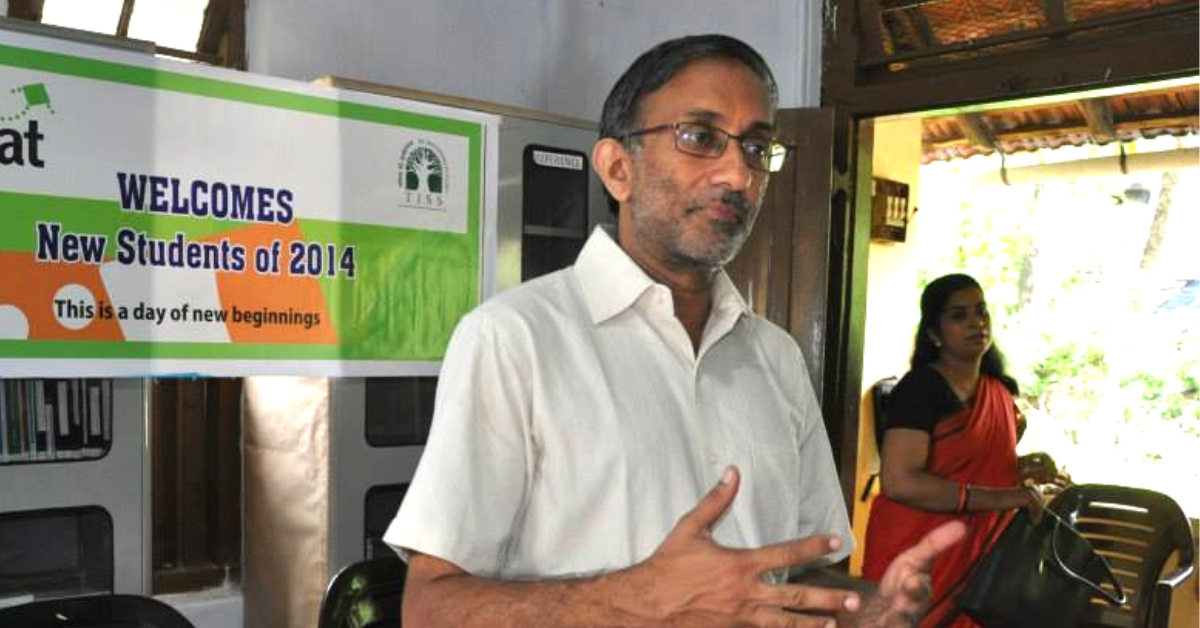
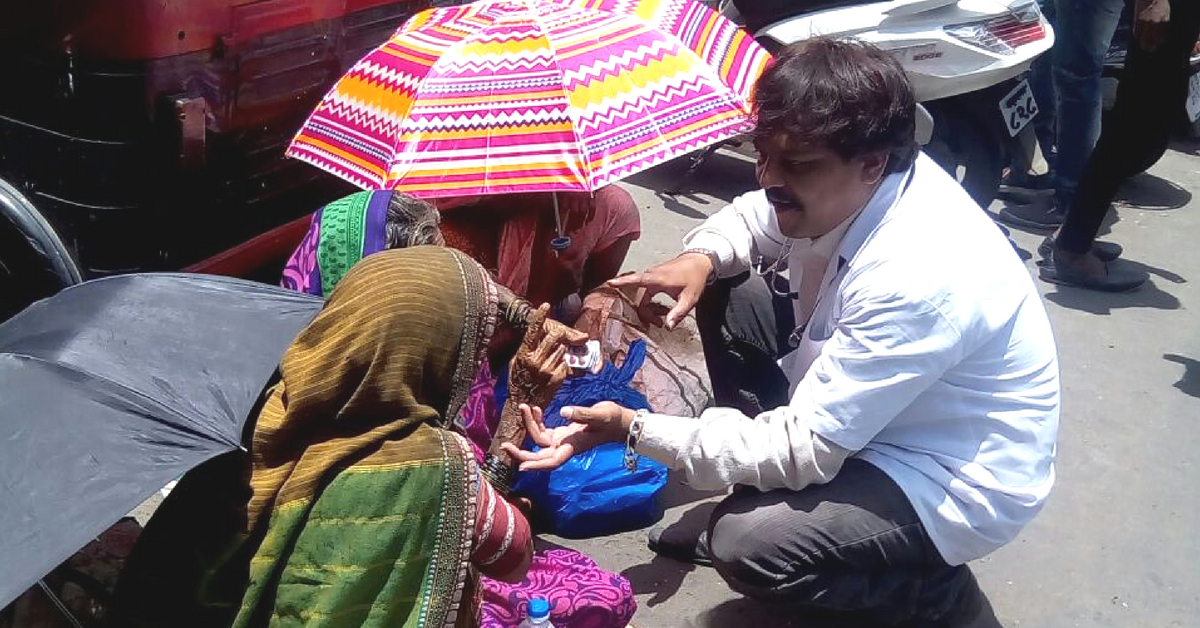
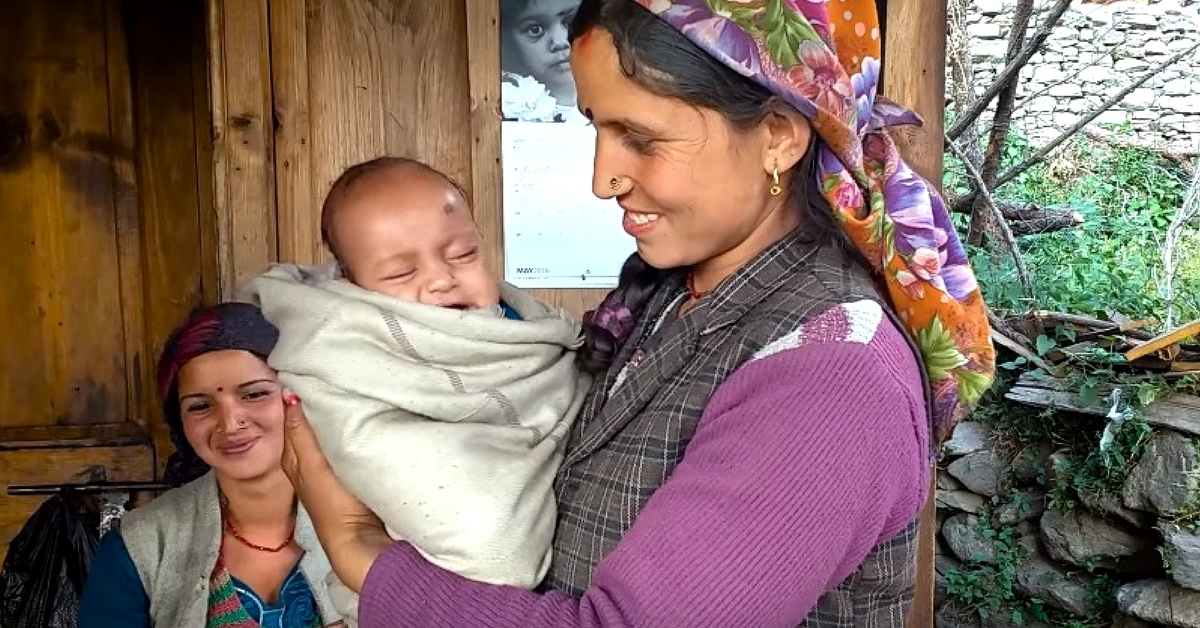
The hills of Shimla are rich and fertile. All major agricultural products are grown here, including  wheat, rice, pulses, potatoes, ginger, turmeric and many other fruits and vegetables. However, in the early 1970s, the problem was that the menfolk of this area would squander away all their income on liquor. Women were deserted and led miserable lives. Enter Subhash Mendhapurkar who transformed the lives of the women in the Shimla Hills.

Kallol Bhattacherjee of The Week writes this extensive report on Subhash Mendhapurkar and how he brought about a revolution in the hills of Shimla:

Mendhapurkar knew it was not going to be easy in Shimla. He started off in a room in a youth hostel near Jagjit Nagar village. The chain-smoking young man punching the keys on a rickety Remington intrigued the local people. He started introducing the women to feminist thoughts. “Sometimes he would stay up for weeks as people came continuously to consult him,” said Vimla Devi. 

Under his guidance, the women learnt of a rule that every liquor vendor needs to seek permission from the Gram Panchayat to open a store.
This then led to more active involvement from the women:

The hills were changing. In 1983, Mendhapurkar ended his association with SWRC and started Sutra (Social Uplift Through Rural Action) with rural women as members.
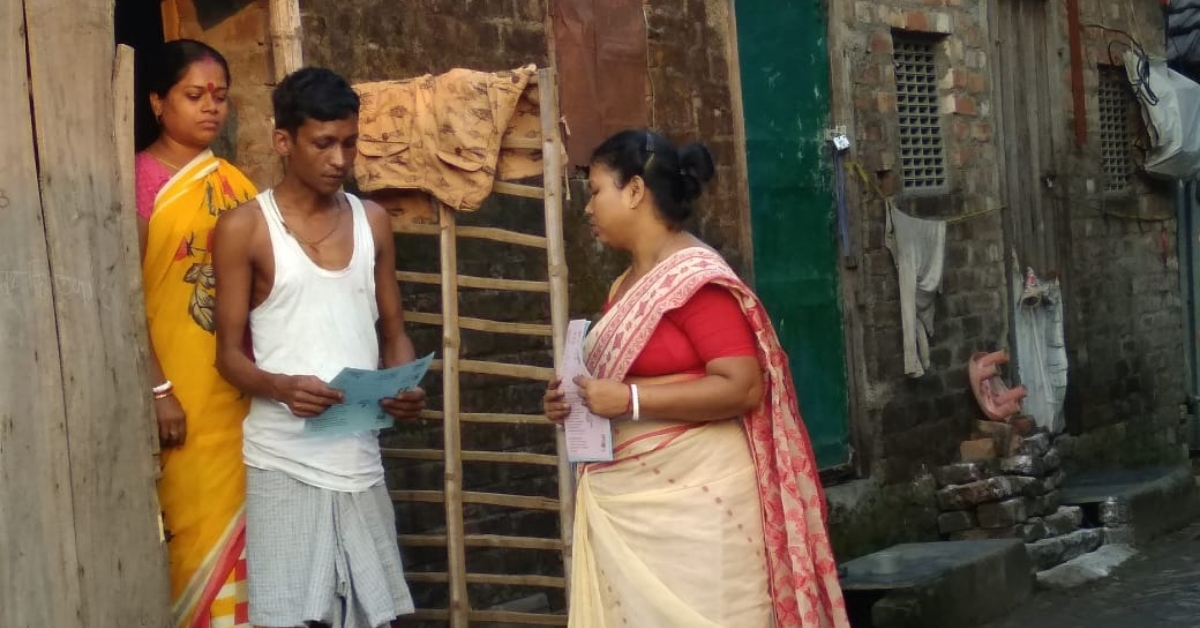
“We told liquor vendors to seek permission of the panchayat members before vending liquor in the neighbourhood,” said Leela Devi, one of the pioneers of Sutra. The panchayat was still under the thumb of the menfolk, and female panchayat members’ role was limited to making tea and pakodas for the male members. Mendhapurkar asked the women to decide if they required a liquor vendor in their neighbourhood. “If not, you should form majority in the panchayat meetings and convey your opposition through mahila mandalis,” he told them. The women just did that and nixed every attempt to open new liquor shops. “We mobilised all the women suffering from alcoholic husbands and ensured that they formed majority in every panchayat meeting,” said Vimla Devi, who emerged as a prominent anti-liquor crusader. 
Subhash just didn’t stop there. He also looked actively in to the issues faced by the women who were deeply reliant on the mountain lands for their living:
The forest department had been planting thousands of pine trees on the hill slopes to prevent soil erosion. But it was of no help to small women entrepreneurs. “What is good for the forest department is often not useful for women. They want small fruit trees that hold soil, and grass which is good for their cows,” said Mendhapurkar. How to use mountains for social benefit without triggering landslides in the rains was a challenge that pushed him to understand them better. Now he visits the International Centre for Integrated Mountain Development, Kathmandu, to deliver an annual lecture in December. According to Mendhapurkar, since women control the rural economy in the Shimla Hills, and since they benefit from forestry, the Shimla-Kassauli region of the Shivalik ranges should be utilised for female health and their economy. 
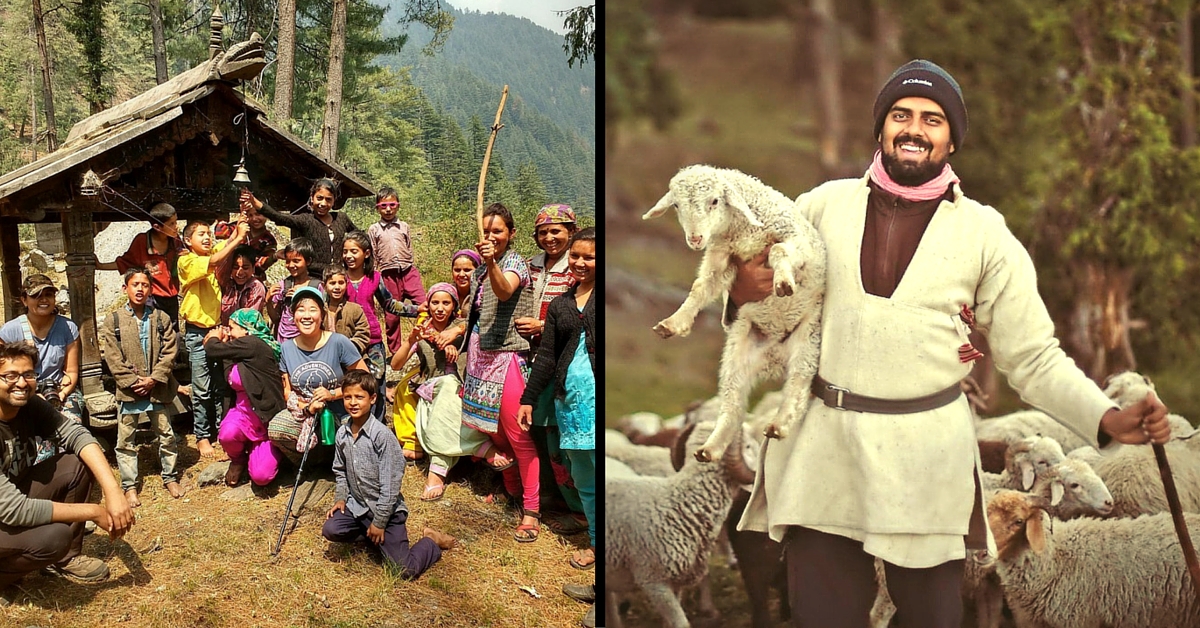
Subhash then went ahead and introduced the concept of water harvesting to help women manage water resources better. The association started by him, Sutra, became immensely popular. After focusing on these livelihood issues, Subhash then turned to healthcare and micro-credit to make them more independent:

“Denied care and affection, and always illiterate, these women did not know how to improve their condition,” he said, narrating a campaign he began in the mid-1980s for single women. It is known as Ekal Naari Shakti Sangathan or simply ‘ekal’ in the hills. 

Hearing of the campaign in the hills, women from all over Himachal Pradesh sent requests for similar help. In Hamirpur and Una districts, a large number of single women were HIV+ thanks to their husbands who were migrant workers. In April this year, around 3,000 single women from rural Himachal marched to Shimla, and Chief Minister Prem Kumar Dhumal promised them that the rural single women would get free treatment for all ailments in government hospitals. “We want respect for single women of Himachal villages. We should not be treated differently,” said Nirmal Chandel, leader of Ekal. By 2009, Ekal will launch its pan-Indian avatar.

The impact of all that Subhash has done is there for everyone to see. The article says:

The impact of Mendhapurkar’s work is best felt in the way the sex ratio in Solan district has stabilised at 940 females to 1,000 males, which was much lower earlier. 

Truly, what Subhash has managed to achieve is a lot and beyond what can be put in words in a single article. And of course, the hills have changed. The Better India salutes the spirit of Subhash Mendhapurkar and all his associates who helped bring about this change.

Read the complete article which covers the initial days of Subhash and how he managed to bring about these transformations.

Image courtesy: Arvind Jain of The Week.

Act Now For The Better India.

The Weaving of Hope

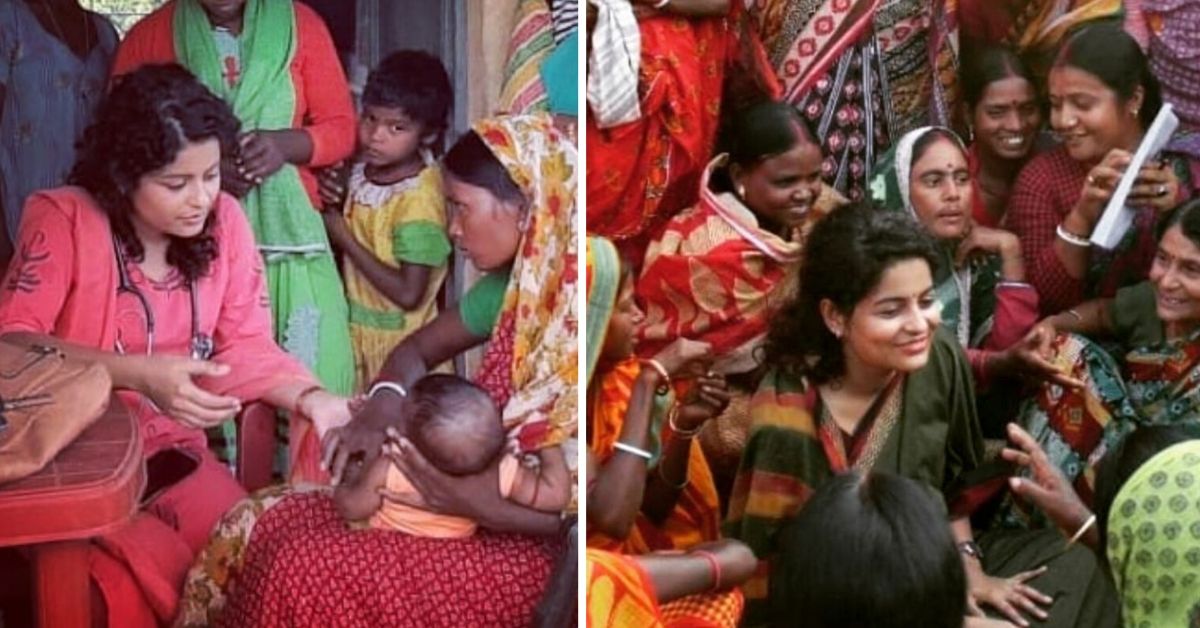
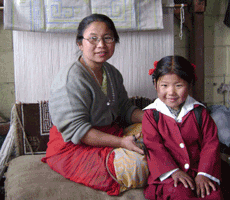
In the 1980s, women in Darjeeling went through a lot of turbulence especially due to the Gorkhaland agitation. Their primary means of earning a living was to work as maids and other petty jobs. But now, all that has changed significantly. The women have now adopted carpet weaving as a primary source of income, thanks to the assistance of Hayden Hall, an NGO based out of Darjeeling town. Tehelka’s Teresa Rehman writes in this article about how a turnaround was achieved in the lives of these women:

Tears roll down her cheeks as she recalls the turbulence during the Gorkhaland agitation of 1980s in Darjeeling in West Bengal. As Shannu Sherpa, 36, gives finishing touches to the new carpet she has woven, she narrates how her uncle and most of the male members fled to the jungles fearing atrocities by the security forces. “There were bandhs for as many as 40 days. The whole economy which had thrived on tourism collapsed and there was no income for many days. Moreover, houses were raided and there were atrocities on women by the security forces,” she says. 

It was during these trying moments that she found succour in carpet-making after she landed in Hayden Hall, an NGO in Darjeeling town. Then it was quite an uphill task for her to traverse the distance of nearly an hour from her village Singmari to reach the place. She says, “But it was worth it. I have brought up my children with these earnings after my husband’s death. I am not always able to fulfill their demands but I am happy that at least I can lead a respectable life here.”

Radha Karky, the administrator of Hayden Hall has been interviewed in the article. Some excerpts of her views:

“The idea behind introducing this alternate way of earning livelihood is because employment opportunities are very few here and there is tremendous pressure on these women. Here, they at least pick up a skill. It’s like being literate, gaining confidence. For illiterate women, coming up with beautiful hand-woven carpet is psychologically uplifting. These women would otherwise be going home to clean dishes. Even their meager wages are cut if they fall sick,” adds Karky. 

Interestingly, and perhaps more importantly, in addition to the wages that these women are able to earn, they also have the added security of medical care and life insurance!
About the economics involved, the article goes on to say:

Carpet making is not a viable option if done independently but Karky says, “Its viable in Hayden Hall. We ensure that a weaver makes at least Rs 1500 per month. While working at Hayden Hall, women are also enrolled in a health program that covers basic medical expenses, a lunch schemes, and their children benefit from the many children’s schemes, from day-care and health care to after-school tutoring to help with public or private school fees.” These women make carpets, which are then marketed by Hayden Hall in the two stores located in Darjeeling. These stores are also have an overseas shipping licence. Hayden Hall’s carpet weavers spend roughly a month on a three-by-six-foot carpet. 

Read the entire article here to get a sense of the freedom that these women have managed to earn for themselves. It is truly heartening to see an organization being able to achieve such a turn around for people, who only a decade ago, were grappling with uncertainty and turmoil.

Image courtesy: www.tehelka.com

Calendar

September 2010
M T W T F S S
« Aug    
 12345
6789101112
13141516171819
20212223242526
27282930  

Recent Comments

PROMOTION

"Neumonia and Other Sketch Stories" - A collection of sketch stories. Download the e-book for free. Click on the book cover below.
"The observations are acute: the sound of high heels on asphalt, the bit about how all BPO employees lose their hair very fast are spot-on. This book is a better, shorter alternative to any Sunday movie on TV. It's a little jewel" - Hindustan Times