English Radio Lessons – What an Idea!

Indian television afficionados may have come across an advertisement of a mobile service provider depicting how a mobile phone could be used to spread education in remote areas. It got us interested and we wanted to see whether such an idea (no reference to the company!) was actually being implemented. After some not-so-intensive news searching, we came across an article by BBC India’s Amarnath Tewary which describes how the radio is being used in Bihar to teach English to school children.

The Bihar Education Project, in collaboration with the Education Development Center (a US-based organization), launched this innovative teaching idea in order to improve literacy of the state. Bihar currently has a literacy percentage of only 47%.

Amarnath Tewary reports:

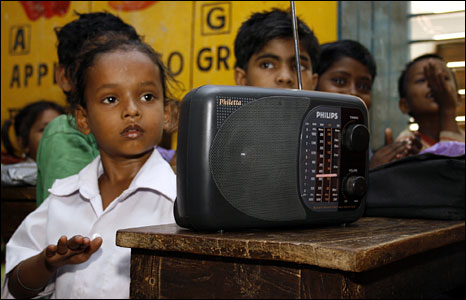
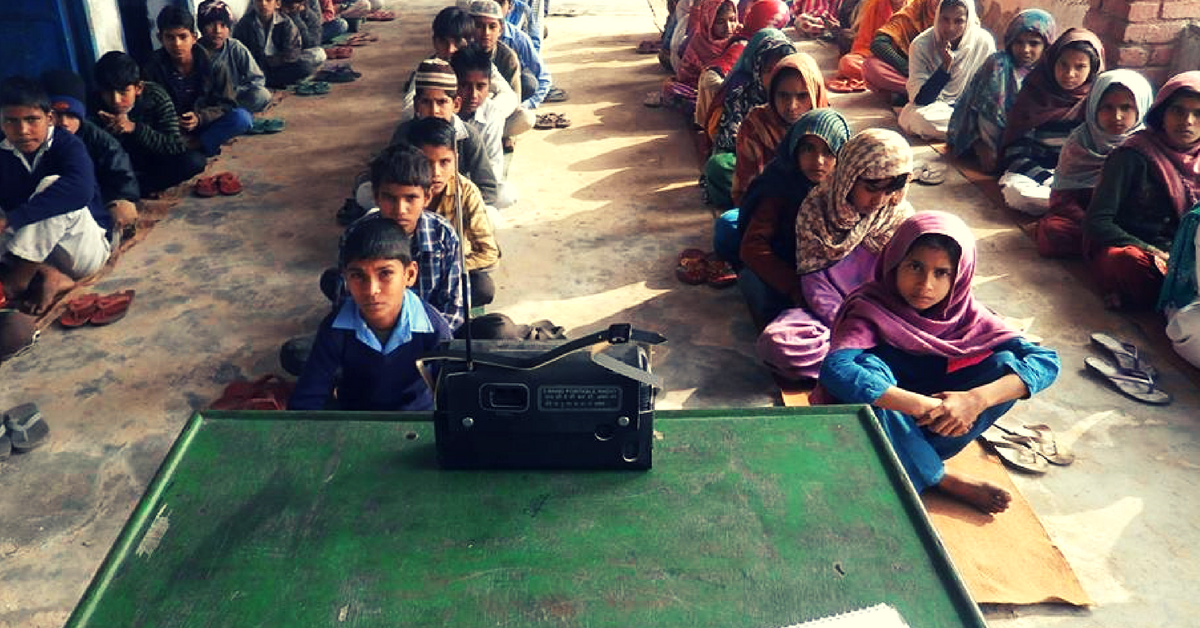
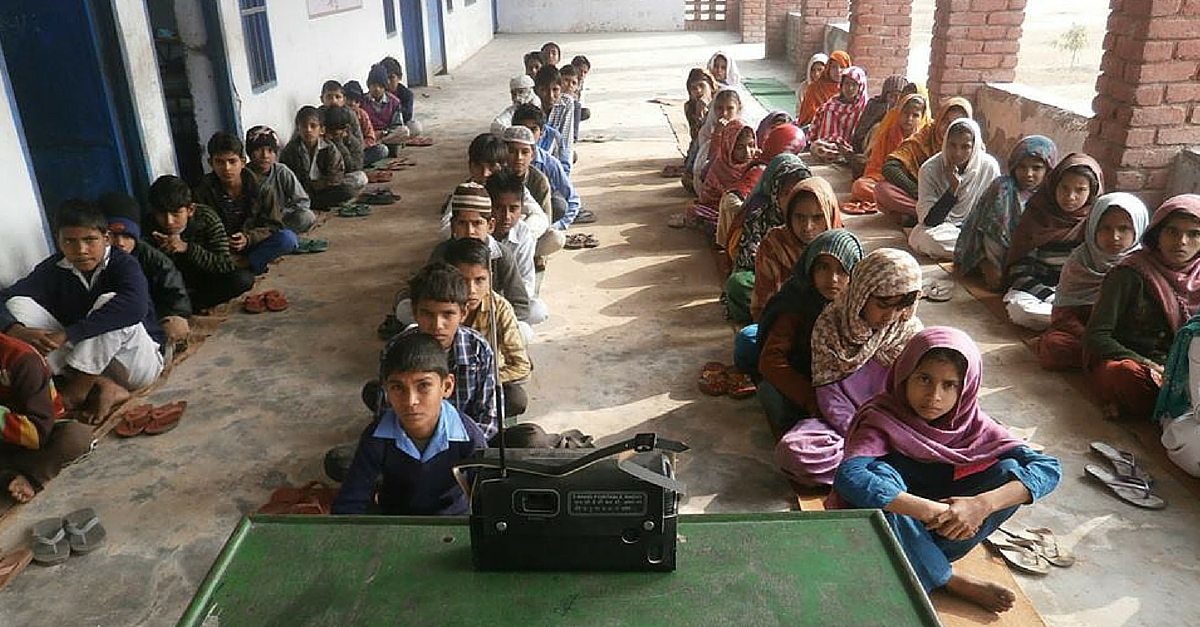
The students are looking inquisitively at a radio set perched on a plastic chair in the middle of the classroom in the capital, Patna.
They are all waiting for a new English lesson to begin – on the radio. 

So, for half an hour, four days a week, millions of primary students in Bihar today learn English through this radio lesson.

The year-long interactive radio lessons are being broadcast by the four regional state-run All India Radio stations. The lessons cover seven million students attending 65,000 primary schools in all the 38 districts of the state.

And what does a student have to say about this?:

“It is very easy to learn English on radio. Every day we wait for this class. Even if the teacher is not in the class we learn and enjoy the programme,” a student, Sakshi Kumari, said. 

The state government has granted a 1000 rupees to every school to enable them to buy a radio. And the benefits of such initiatives in Bihar are told in this para:

Interestingly, backward and dirt-poor Bihar appears to be a trend setter here – a recent federal government report found that school students in the state are now faring better in English and mathematics than anywhere else in the country. 

The article is very well written and also gives you the perspective of the teachers in these schools. It is truly inspiring to see such initiatives being taken in the field of education, which is perhaps one of the most important areas requiring development in our country.
Last, but not the least, we couldn’t help but add the punch line – What an Idea!

Image courtesy: Prashant Ravi from BBC News

All they hear is Radio Ga Ga

The stage: A large hall in Takhel, a remote village about 15KM from Imphal, the capital of Manipur – a small state in North-Eastern India


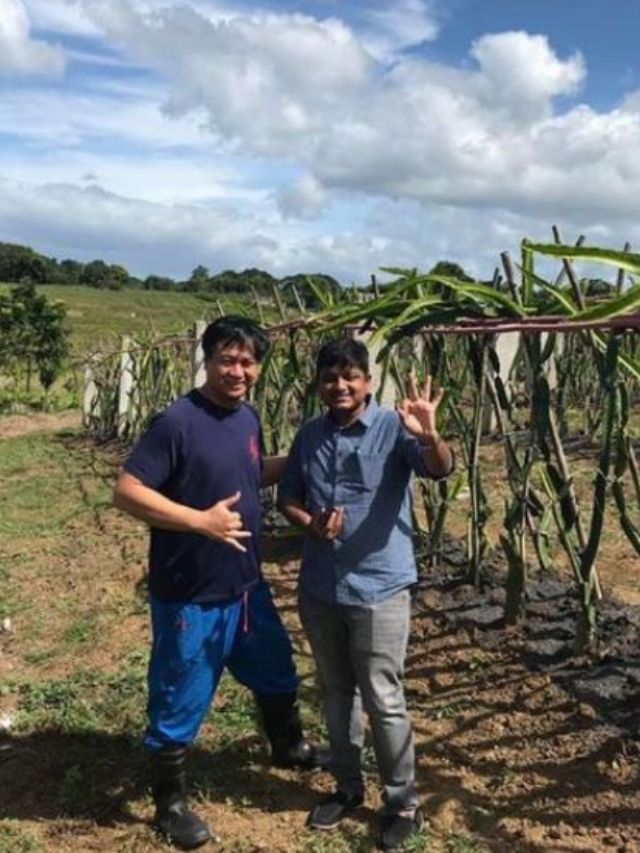
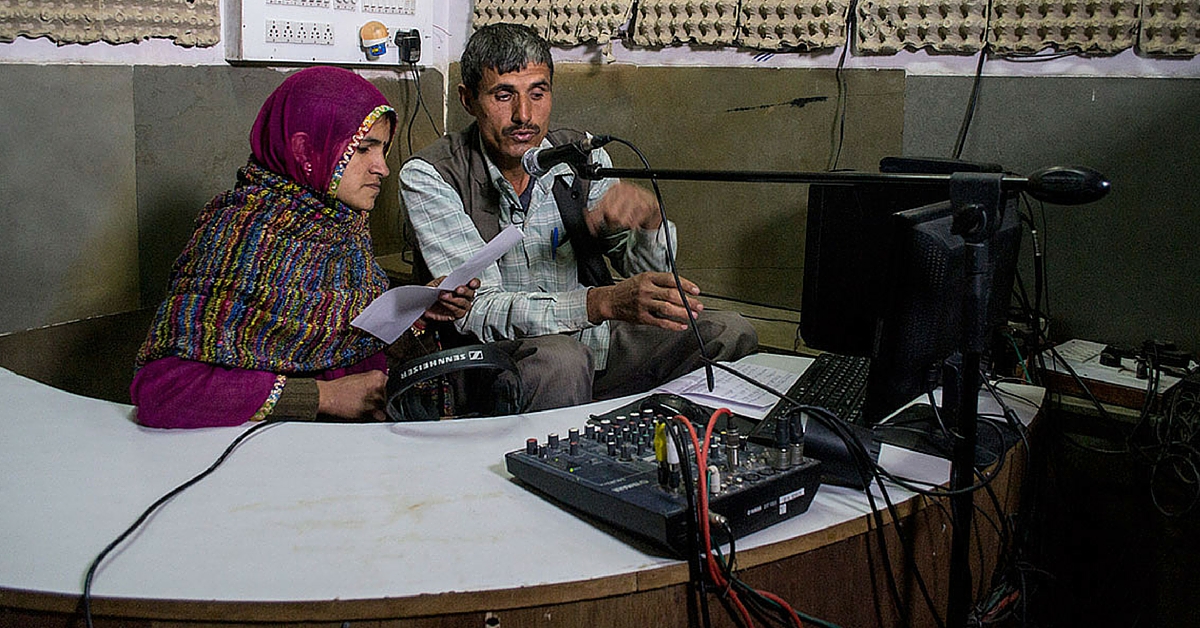
The actors: A young woman of 27 years by the name of Arambam Romita and an educated farmer Keisham Biren, both news readers for an unassuming news channel


The props: A crude loudspeaker, a PA system, a long wooden bench by the window which serves as a news desk


The scene: The young lady is trying to fix the microphone to its stand, as it had been borrowed the previous day for a farmer’s meering.


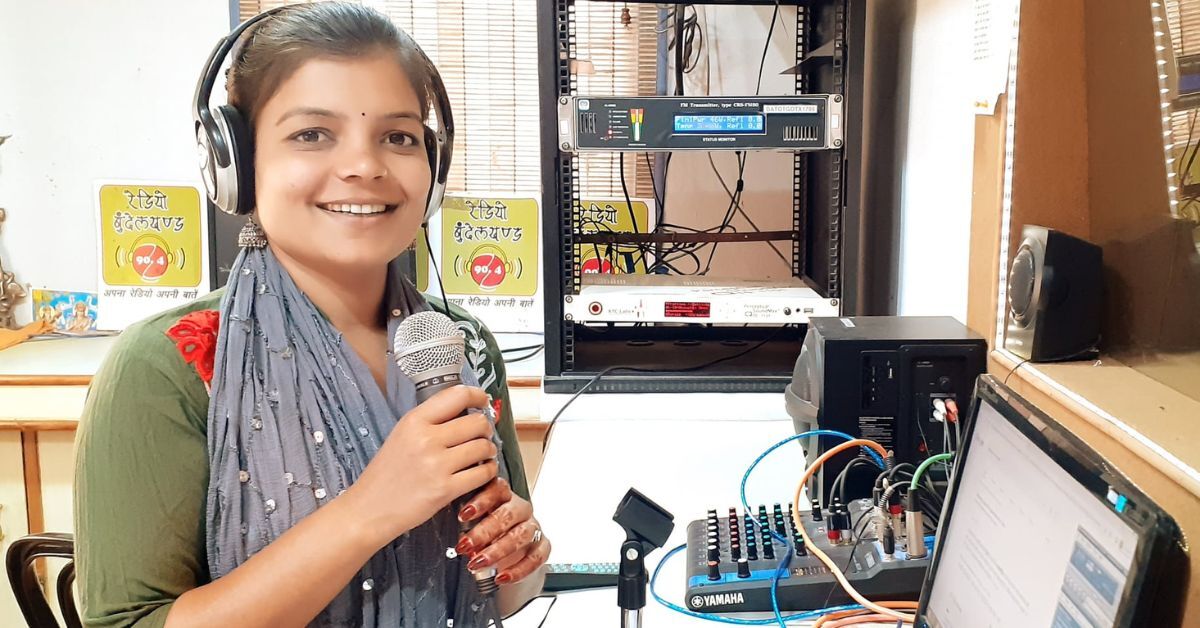
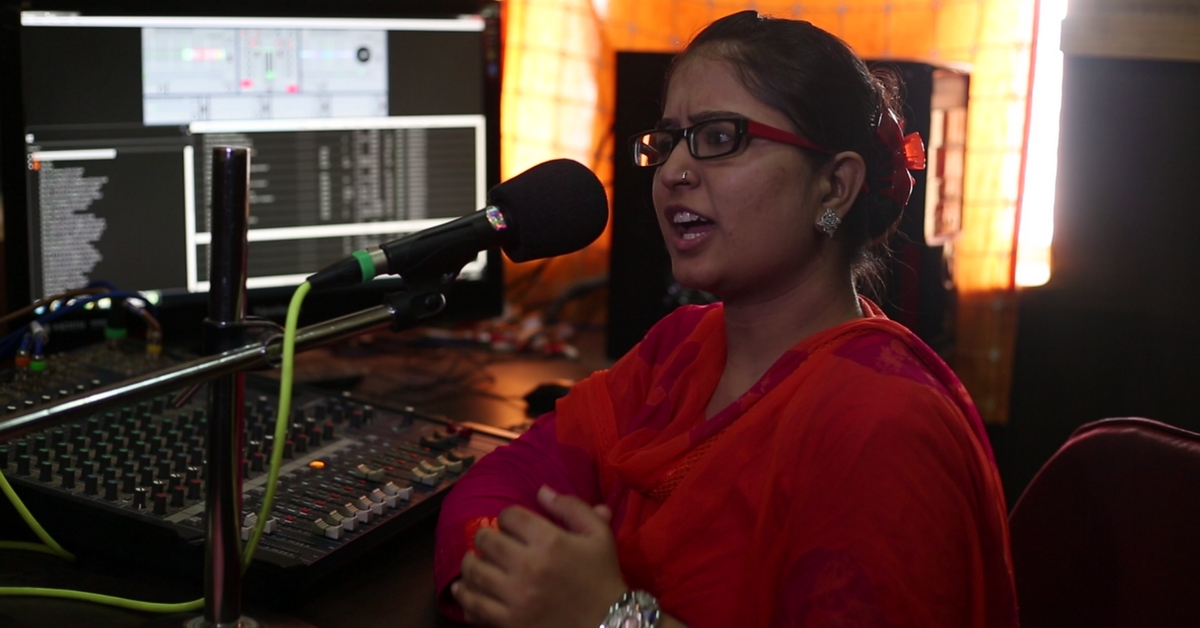
This is the setup of the tiny Paothang Channel, the sole people’s broadcast initiative in Manipur. At present, it serves as the trusted news source for many of Takhel’s 5000 residents.


This informative article from Kangla Online, written by Thingnam Anjulika Samom, tells the interesting story of Paothang (meaning ‘news relay’ in the local dialect of Meiteilon) Channel and the people behind its creation.


“It is basically our own interest – not profit – that guides us, otherwise we’d have stopped long ago,” Biren adds. The dilapidated hall is the station’s third ‘studio’ – the first was in a hotel for about a year, then the second at his house for a brief while.


Here’s an example of the two newsreaders, Romita and Biren, presenting a daily news relay:


“Paothang Channel welcomes all its listeners. We are on air,” says Biren. “In this world full of differences of caste, colour, and creed, let’s not be divided by these artificial walls,” he adds.

And then he makes an announcement – the local Communist Party of India branch will be meeting the next day and all its members are asked to attend.

Romita takes over, speaking in a soft voice. There are many good stories today.
Twelve suspected militants were captured with arms in the official quarters of five MLAs. The signing of a memorandum by seven elected people’s representatives of Manipur – one to the Indian Parliament and six to the state legislative assembly – expressing their support for Naga integration. There are more than 20 insurgent groups operating in Manipur, waging an armed struggle against the government of India, mostly for the right to self-determination…


In an isolated village with hardly any disposable income as well as need/ intention to spend on newspapers or TVs and radios, this project created by the local member of the zila parishad Tensubam Ratan, allows the village folk to keep abreast of current affairs in the vast country that they are a part of, however far removed they might be.


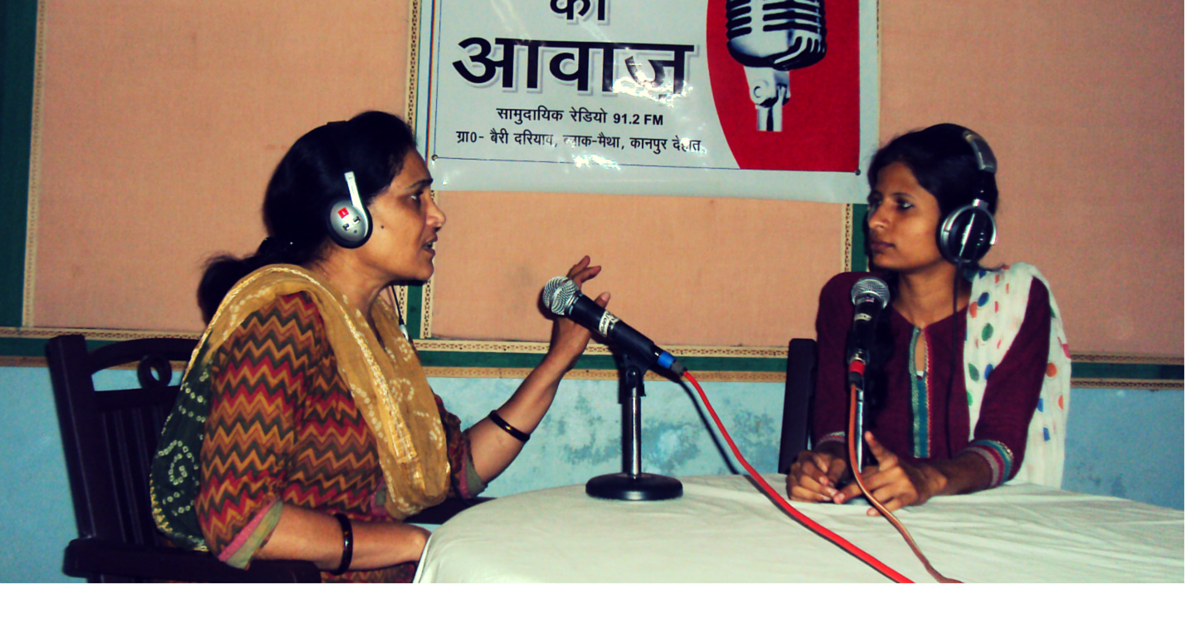
It is also good to know that this is not a lone star. There are similar community media initiatives being undertaken in other parts of the country.


According to Sevanti Ninan, journalist, author, columnist and media critic, “such an initiative is actually the forerunner of local community radio, which has recently been permitted by the Indian government. It offers news that the local community needs for its day to day functioning, also news that connects it to the rest of the country and state.”

“The way Romita and Biren respond to a local need is similar to what communities are doing in other parts of the country. In Kurnool and Medak districts of Andhra Pradesh, in Daltnganj in Bihar, in Karnataka and in the Rann of Kutch. They all write their news using conventional news sources, and then find ways to transmit it to their community.

“In some places they record a bulletin and pay the state-run All India Radio’s (AIR) local station to transmit it. In other places they record a relevant local discussion on a tape recorder and move around villages playing it back.


This is indeed a laudable enterprise, and we hope that many will be influenced by the willingness and good intentions of the few who are taking on such responsibilities and bringing about change and progress in entire communities.


Link Credit: Vinay Sreenivasa via Ashwini Bharadwaj

Calendar

September 2010
M T W T F S S
« Aug    
 12345
6789101112
13141516171819
20212223242526
27282930  

Recent Comments

PROMOTION

"Neumonia and Other Sketch Stories" - A collection of sketch stories. Download the e-book for free. Click on the book cover below.
"The observations are acute: the sound of high heels on asphalt, the bit about how all BPO employees lose their hair very fast are spot-on. This book is a better, shorter alternative to any Sunday movie on TV. It's a little jewel" - Hindustan Times