








Art Of Healing Among India’s Poorest: A Remarkable Woman Doctor’s Story
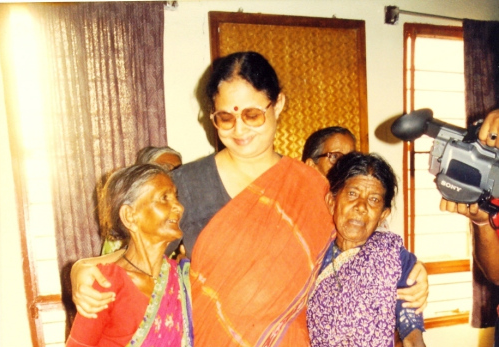
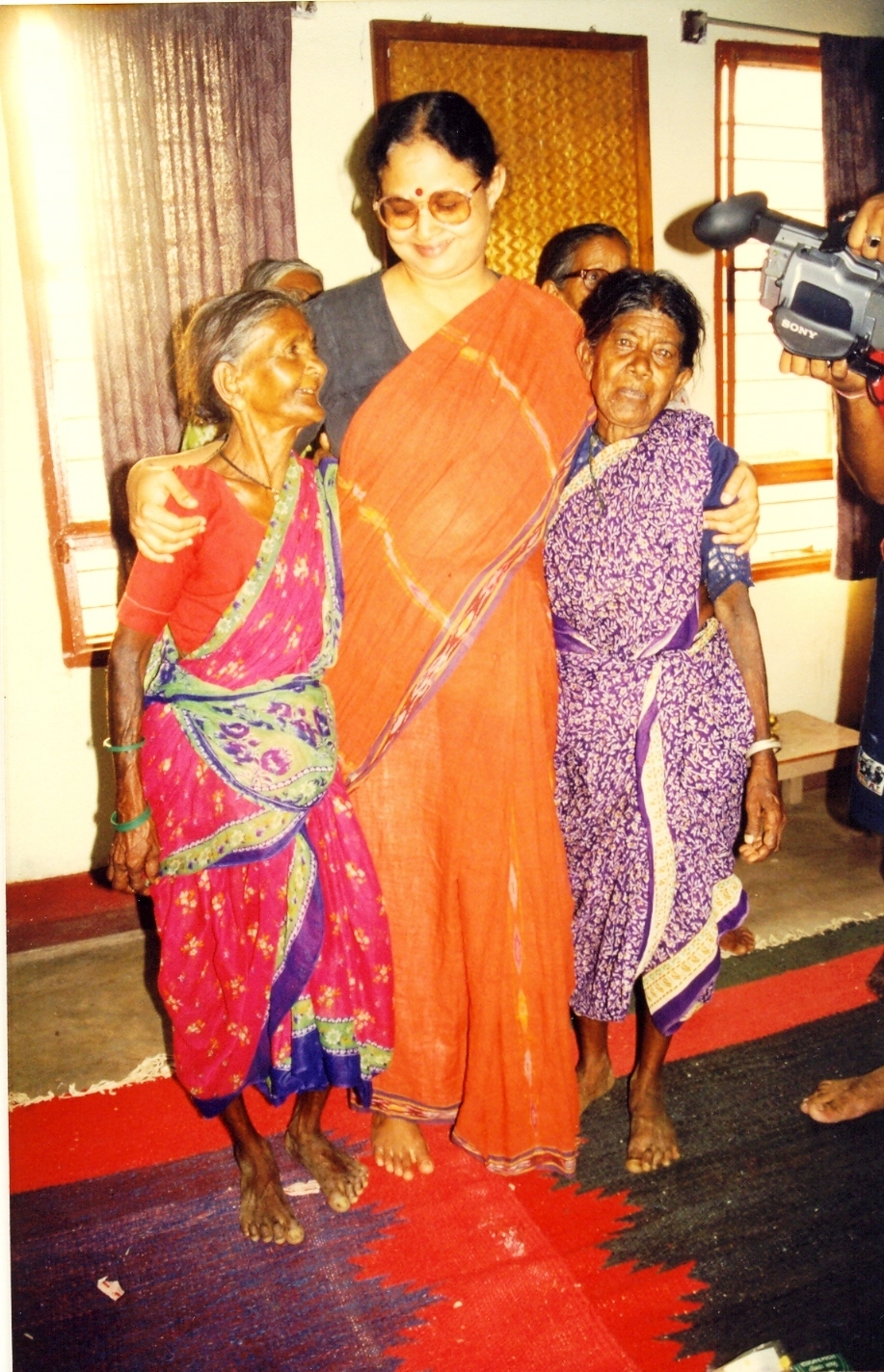
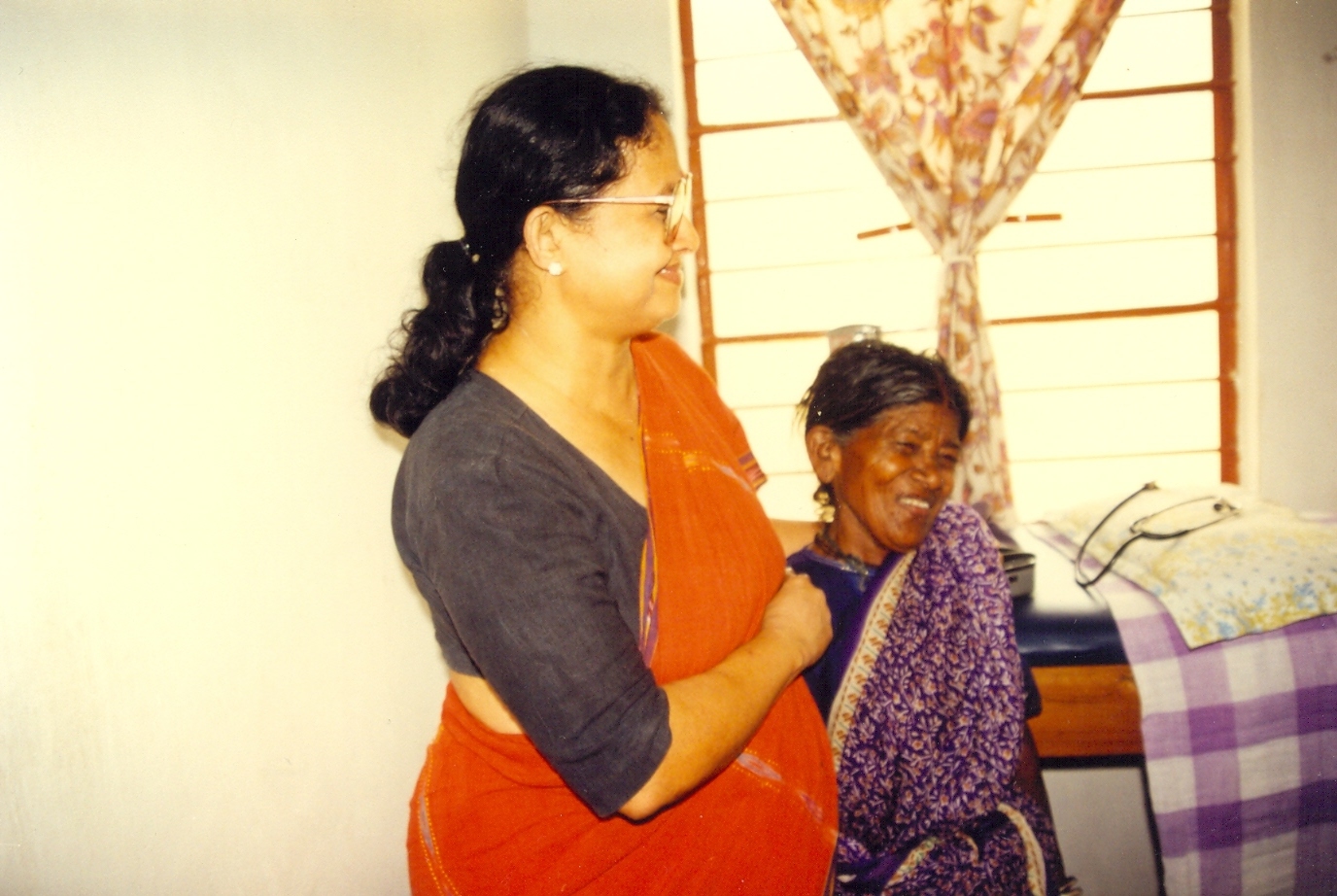
Dr Rani Bang lives and works in Gadchiroli, a district in central India known for its remarkable tribal traditions as for its ‘underdevelopment’. A doctor specialising in gynaecology, she with

Two days later, around 8.30 am when I arrived at the clinic, the same infant was present along with a five-year-old girl. The baby was in a pitiable state, gasping for breath and then she died right there before my eyes. I asked for her mother, Rai-bai, and was told that she had gone to the fields. I felt anguished, frustrated at not having been able to do anything at all to save the little girl, and outraged by the behaviour of the child’s mother. Could she truly be so cruel to have left her ailing child like this? When I met Rai-bai soon after, I let lose a tirade that ended with, ‘You do not understand anything, you people will never change.’ She just looked at me blankly and after I had finished telling her what I thought of her, quietly asked, ‘Have you finished, can I speak now?’
This is what she said to me: ‘I am a widow. I manage to light my ‘chulha’ (stove) at night with my earnings from working as a daily wage labourer. If I take this child to the hospital, who will earn for the day’s food? I have an older son, of thirteen years and a girl of eight. I couldn’t let my other children go hungry at the cost of saving this one. If I feed the older children, they will grow up and help me ease my difficulties.’
It was my first lesson towards developing an understanding that health was not merely about medicine and healing; but also about being sensitive to one’s patients. A doctor’s understanding must encompass anthropology, sociology and the economic factors that also shape people’s lives. Before that sad meeting with Rai-bai, I looked at her and others who passed through my clinic as patients, but she made me realise that we counsel and assess our patients without knowing much about them. Before presuming to do so, we doctors need to be educated about why people behave the way they do. That was when I asked myself a far more difficult question: ‘Who am I to talk to other women and advise them about their health?’
Initial experiences such as these set me on the path of reflection. Several lessons, not all as tragic, have come my way through my parents, teachers, patients, ‘dais’ (traditional birth attendants) and the rural folk I came across in the course of my daily practice. And it is from them that I drew inspiration and continue to do so. I believe I have something important to share about the health needs of the people of rural India, and how one might work with the community as a result of these interactions.
My own efforts towards engineering social change have not always worked as I would have wanted them to, occasionally leading to certain unforeseen developments. The town of Gadchiroli, for instance, has a well-marked red-light area, and although it took much counselling, I was once able to persuade three commercial sex workers to get married. I had not reckoned that these women were used to being independent, enjoyed their freedom of movement, and that their husbands would not trust them. I was very enthusiastic about their rehabilitation, but my plan was a failure. Two of them soon fell in love, but not with anyone whom I thought would make a suitable groom. One did marry but separated after two months despite being repeatedly counselled by me.
During this ‘experiment’ my children were witness to all my activities. They accompanied me everywhere and certainly picked up ideas from listening to the conversations, often without completely grasping them, as I found out. Amrut, my younger son, was five years old and would often play with these women. One day he innocently announced to me that he too wanted a condom as he might catch an infection from his playmates!
I often pondered on the fact that society had different norms for men and women. A sex worker is considered ‘bad’, for example, but whose needs is she fulfilling? Men go around with their heads held high, but the sex worker faces social censure. I started questioning my own norms. When I hear of a young widow being in a relationship, but unable to marry because she has children, I wonder if it is right to question her character. What I can do is talk to her, help her realise the potential dangers she faces and how she can protect herself against them. …
Working with the dais and training illiterate women to become birth attendants has taught me a great deal about non-formal methods of education, such as teaching through games and songs. …
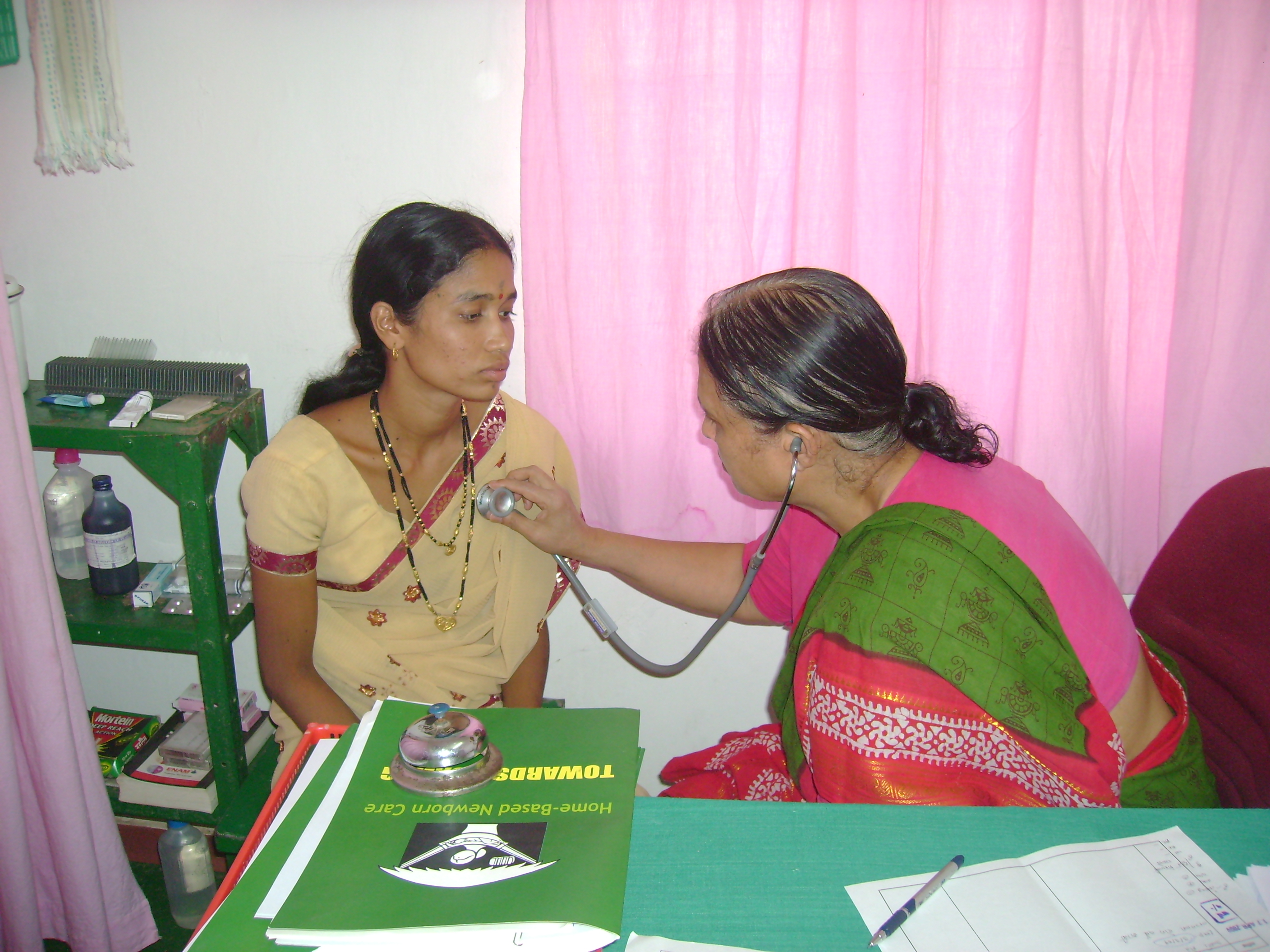
One invaluable lesson taught to me by the dais was about understanding rural perceptions related to birth. For instance, initially, when the dai did not report a stillbirth I used to think they were lying, until I sat with them and sought to understand how they viewed birth. I discovered that the concept of stillbirth was alien to their sensibilities. They believe that a baby emerging from the womb could not but be alive. There is no concept of ‘contraction’, and hence they could not accept that a dead baby could still be pushed out of the womb though this process. It is also important to understand the traditional concepts of anatomy. For instance, they do not know of the diaphragm. They believe that all the vital organs are in the abdomen. They believe the liver is the most important organ; they also believe the uterus is open from above; that when menstrual bleeding is less than normal the residue in the abdomen forms a ‘gola’ (tumour) and gets embedded in the liver, which can kill; that if a contraceptive like a Copper-T is inserted, it will travel up into the ‘stomach’ and touch the vital organs there. Hence it is important to explain anatomy to them as clearly as possible.
This story made me
-
 97
97 -
 121
121 -
 89
89 -
 167
167
Tell Us More
We bring stories straight from the heart of India, to inspire millions and create a wave of impact. Our positive movement is growing bigger everyday, and we would love for you to join it.
Please contribute whatever you can, every little penny helps our team in bringing you more stories that support dreams and spread hope.









 Home
Home
 Read
Read
 Watch
Watch
 Contribute